Massive insurgent offensive shakes Mali as Kidal falls and top officials are targeted
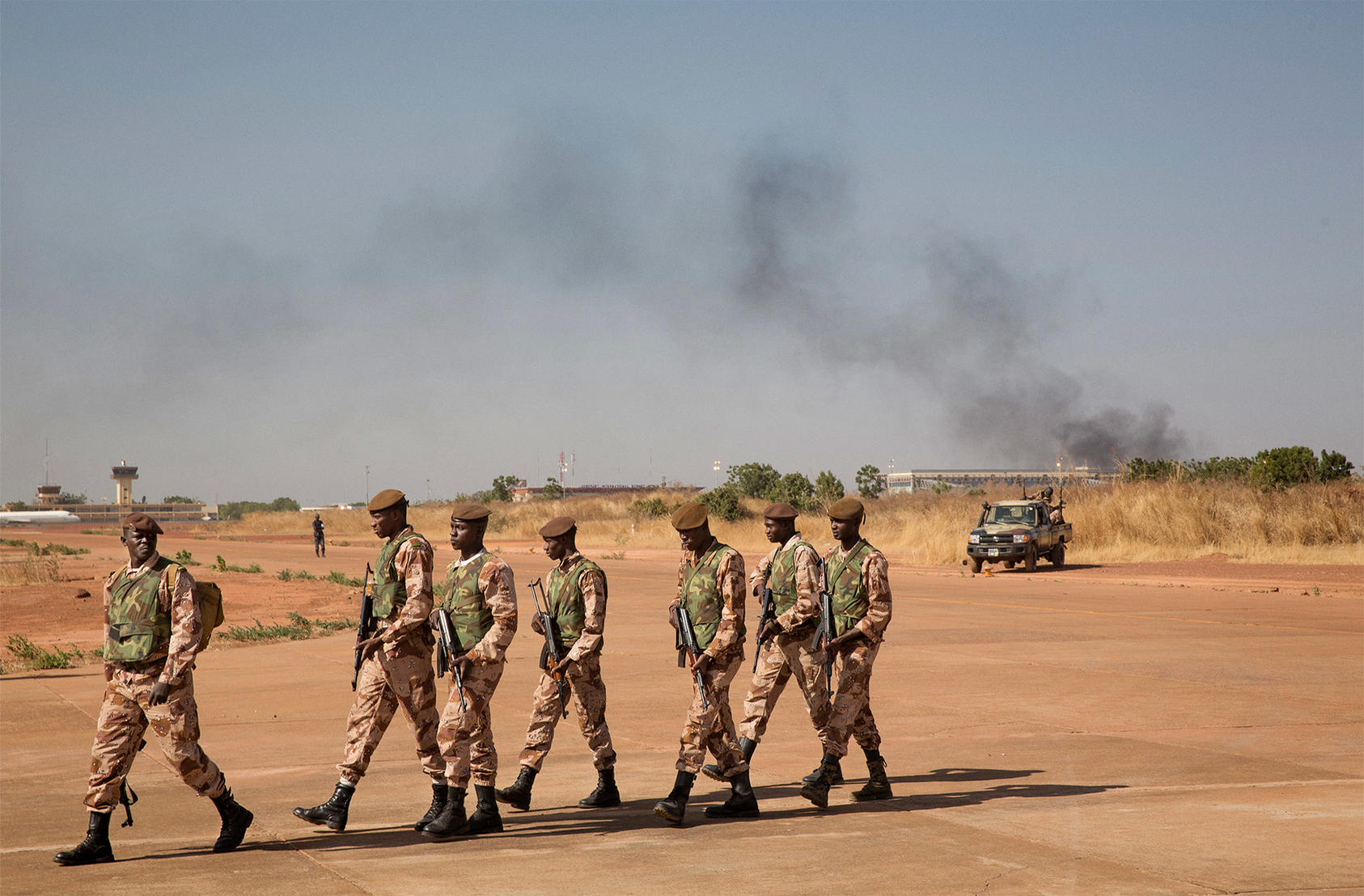
Following a period of intense instability and multiple political upheavals, Mali has been thrust back into a violent armed struggle with potentially devastating results. On Saturday, April 25, a powerful coalition consisting of Tuareg rebels from the Front de libération de l’Azawad (FLA) and jihadists from the Groupe de soutien à l’islam et aux musulmans (JNIM), an Al-Qaïda affiliate, executed a massive, synchronized assault across seven key locations. The targets included Bamako and its nearby garrison town of Kati, central hubs like Konna, Mopti, and Sévaré, as well as the northern cities of Gao and Kidal. Notably, Kidal, a strategic stronghold in the north, has reportedly fallen entirely under the control of the insurgents.
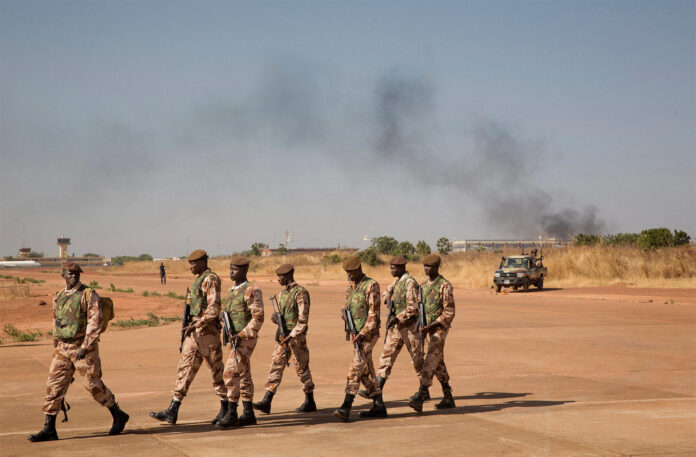
The attackers utilized sophisticated methods, including suicide vehicle-borne IEDs, kamikaze drones, and indirect fire, alongside direct ground assaults. Reports indicate the violence began early Saturday morning, with the JNIM and FLA (formerly known as the CMA) claiming responsibility for hitting the presidential residence, the Ministry of Defense, and Modibo Keita International Airport. In response to the deteriorating security situation, authorities imposed a 72-hour curfew in Bamako and suspended operations at the international airport.
A coordinated plan for destabilization
General Oumar Diarra, the Chief of Staff of the Malian Armed Forces, characterized these strikes as part of a larger “destabilization plan” orchestrated by both internal and external players to create a state of perpetual chaos. While the military command claims to have “routed the enemy” and neutralized over 200 militants, the situation in Kidal remains precarious. Diarra described the military’s current movement in the north as a “tactical redeployment” toward Anefis, insisting that the Forces armées maliennes (FAMA) still maintain a presence in the region to protect the population.
Meanwhile, the Africa Corps, a Russian paramilitary unit under the Ministry of Defense that succeeded the Wagner Group, confirmed its withdrawal from Kidal. They stated this move was a joint decision with Bamako officials and involved the evacuation of wounded personnel and heavy equipment. The Africa Corps claimed to have prevented a total government collapse, alleging that the offensive involved up to 12,000 fighters supported by Ukrainian and European intelligence services. According to their narrative, they successfully defended the presidential palace and other strategic points, destroying numerous enemy vehicles in the process.
High-level casualties and political impact
The conflict has exacted a heavy toll on Mali‘s leadership. The Minister of Defense, Sadio Camara, was killed following a suicide attack on his residence in Kati. During the assault, Camara reportedly engaged in a firefight with the insurgents before succumbing to his injuries. The attack also claimed the lives of his family members and several civilians nearby. As a primary architect of Mali‘s security shift toward Russia and a close ally of President Assimi Goita, Camara‘s death marks a significant blow to the transitional government. Furthermore, Modibo Koné, head of the National State Security Agency, was wounded, while Assimi Goita was evacuated to a secure location.
The alliance between Tuaregs and jihadists
This massive weekend offensive highlights a tactical partnership between the Tuareg rebels of the CSP-DPA and the JNIM. Although their ultimate goals differ—with the Tuaregs seeking autonomy for Azawad and the jihadists aiming for an Islamic state—they have found common ground in opposing the military junta and its Russian allies. This cooperation solidified after the 2015 Algiers peace agreements collapsed following the withdrawal of MINUSMA forces in late 2023.
Analysts point to the July 2024 battle in Tinzaouaten as the first major sign of this coordination, where Russian mercenaries suffered a historic defeat. There are also strong indications that Ukraine‘s military intelligence (GUR) has provided tactical support and information to the Tuareg rebels to strike at Russian interests in Africa. While Kyiv officially denies direct ties to terrorist groups, Mali has already severed diplomatic relations with Ukraine over these allegations. The current strategy appears aimed at forcing Moscow to divert resources from the Ukrainian front to defend its allies in the Sahel.