Mali turmoil: insights from Kidal’s rebel-held territory
Mali turmoil: insights from Kidal’s rebel-held territory
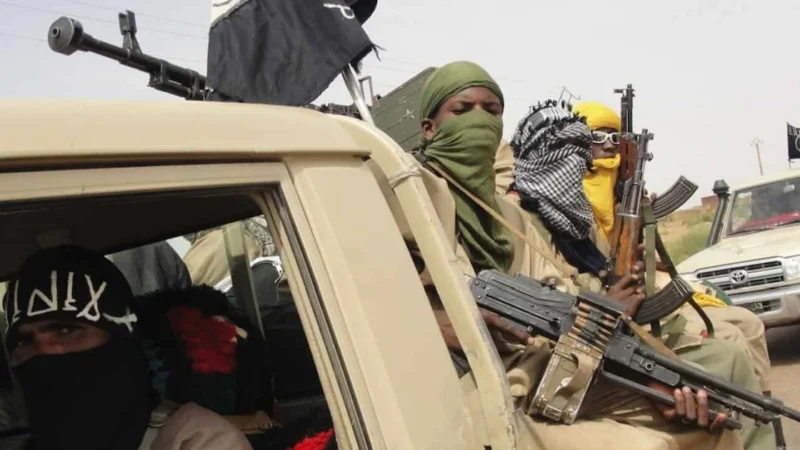
The Mali conflict has taken a dramatic turn in recent weeks, with coordinated offensives reshaping the balance of power in the northern regions. In late April, a powerful alliance between the Jama’at Nusrat al-Islam wal Muslimin (JNIM), an Al-Qaeda-affiliated militant group, and the Front de Libération de l’Azawad (FLA), a Tuareg rebel faction, overran key military positions across several cities. One of the most significant developments occurred in Kidal, where FLA fighters—now allied with JNIM—have seized control of the city, a stronghold they had lost to government forces in late 2023.
The Mali military, supported by Russian Africa Corps units, suffered heavy losses in the surprise assault. Civilian populations in the area have been forced to flee, leaving the rebels to consolidate their grip on the territory. As the dust settles, the Tuareg fighters, backed by jihadist allies, are bracing for a potential counteroffensive from Bamako‘s embattled regime.
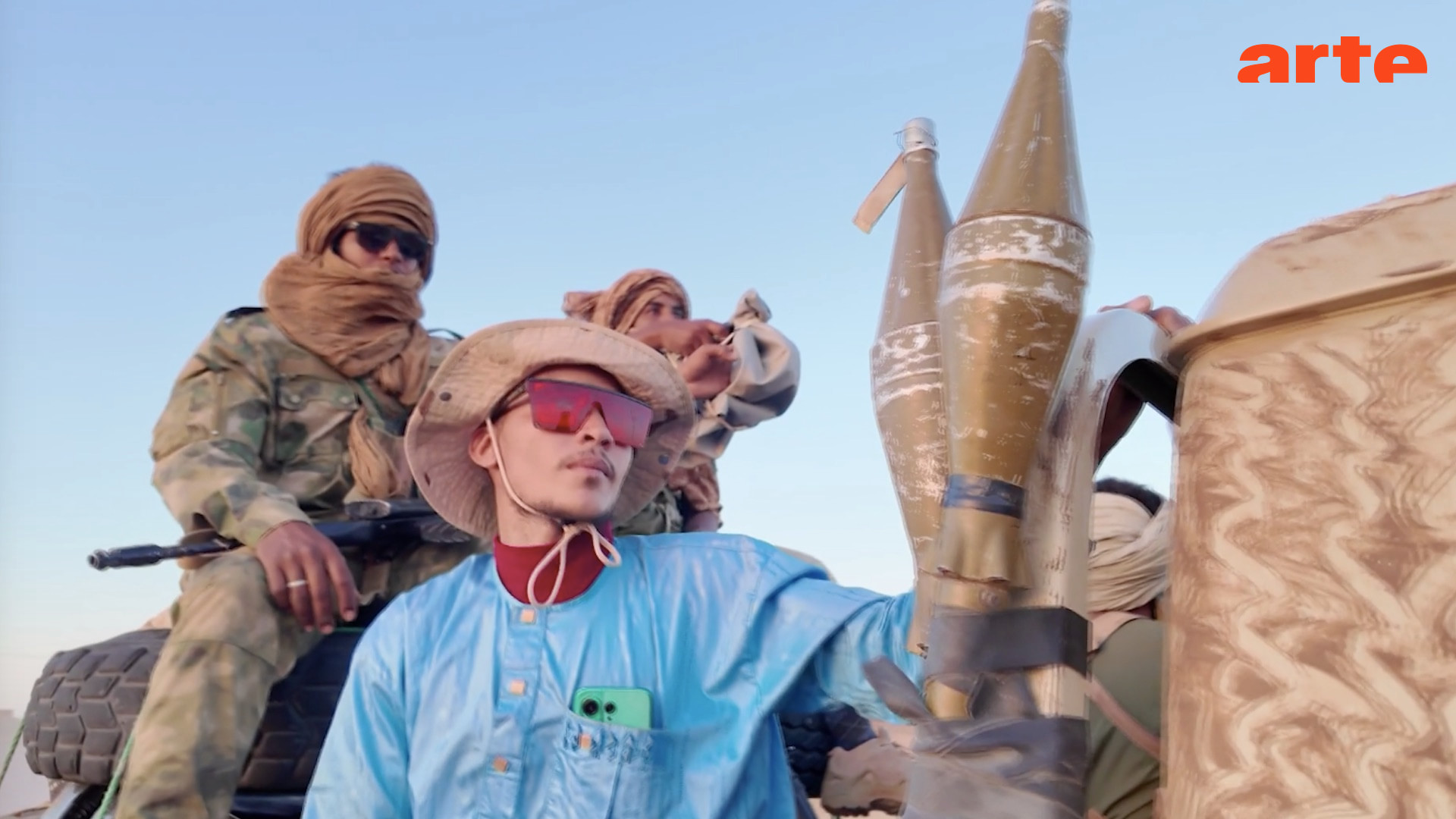
Our team recently spent time embedded with FLA units in Kidal, documenting their operations and the strategic shifts unfolding on the ground. The alliance between Tuareg separatists and Islamist extremists marks a dangerous escalation in the Sahel conflict, posing new challenges for regional stability and international peacekeeping efforts.
Key dynamics shaping the conflict
Military setbacks for Bamako
The coordinated assault by the JNIM-FLA alliance exposed vulnerabilities in Mali‘s security apparatus. The loss of Kidal, a symbolic stronghold for Tuareg autonomy movements, underscores the government’s diminishing control over northern territories despite foreign military support.
Civilian exodus and humanitarian concerns
The fighting has triggered a mass exodus of residents from Kidal and surrounding areas. Displaced populations now face dire conditions, with limited access to food, shelter, and medical aid. The humanitarian fallout of this conflict threatens to destabilize communities already reeling from years of insecurity.
Strategic implications for regional security
The JNIM-FLA alliance represents a growing nexus between ethnic separatists and jihadist groups, complicating efforts to contain extremism in the Sahel. The rebels’ control over key trade routes and population centers could further embolden their operations and deepen the crisis.
What’s next for Mali?
The situation remains fluid, with Bamako‘s government scrambling to regroup after the recent defeats. International observers are closely monitoring developments, particularly the potential for a large-scale counteroffensive that could escalate violence across the region.
The alliance between the FLA and JNIM signals a shift in the conflict’s trajectory, raising concerns about the long-term viability of peace agreements and the prospects for dialogue. As the rebels consolidate their positions in Kidal, the coming weeks will be critical in determining whether Mali can avert further fragmentation or faces a prolonged period of instability.