Mali suspends large motorcycles outside major cities
Mali suspends large motorcycles outside major cities
Effective immediately, the Malian transitional government has banned all large-engine motorcycles from operating outside major urban areas for a renewable one-year period. The policy is designed to hinder the movement of armed terrorist groups. Additionally, the import, transit, sale, and distribution of these two-wheeled vehicles are suspended nationwide for the same duration. The measure has been met with skepticism, particularly among rural communities.
The announcement was made via an interministerial decree broadcast on national television earlier this month.
“The circulation of motorcycles with an engine capacity of 125 cm³ or more outside large urban centers is suspended throughout the national territory.”
The district of Bamako, as well as regional, district, and sub-district capitals, are considered large agglomerations under this order.
Regional adjustment powers
However, regional governors have the authority to adapt or completely ban these motorcycles in district capitals based on local security conditions.
A resident of Bandiagara Circle in central Mali, who spoke on condition of anonymity, expressed doubt about the feasibility of the measure in his area.
“Yes, it will be difficult because in the Dogon country, these bikes are suited to our environment. We live in mountainous areas with steep slopes and ramps. They are very useful. Whether it’s our FAMa (Malian armed forces), humanitarian workers, or us farmers, everyone uses them. Large motorcycles even replace ambulances to transport the sick to health centers.”
Growing concern
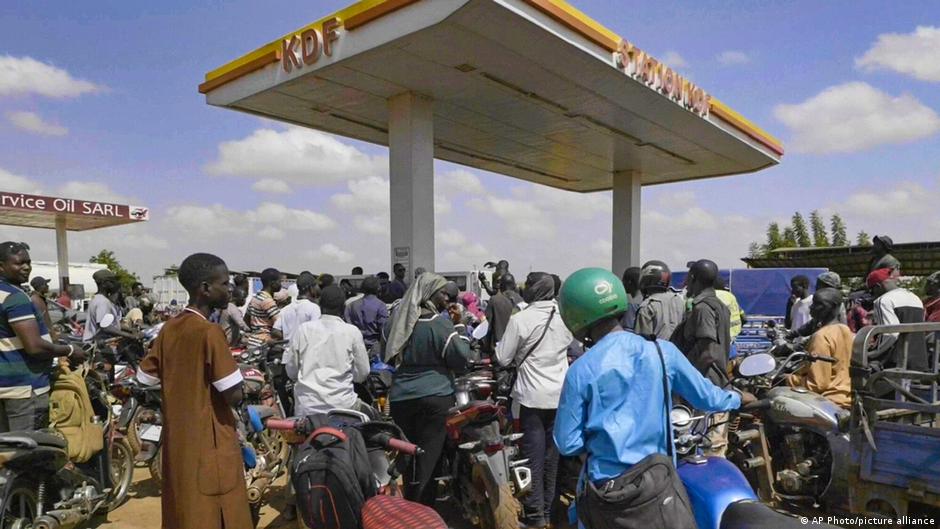
In Mopti, also in central Mali, owners of large motorcycles show visible worry. Many regularly travel to nearby villages for farming, livestock, or fishing activities.
A Mopti resident supports the suspension of 125 cm³ motorcycles outside big cities for security reasons but fears the consequences.
“We go from village to village daily for our activities. But since the suspension was announced, most of us have parked our bikes. I used to deliver bread to many residents in villages far from Mopti.”
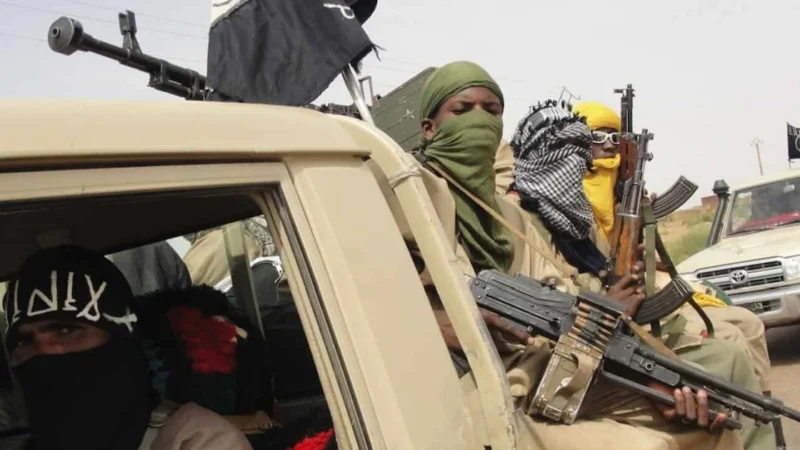
Armed groups rely on large motorcycles for easy mobility across the country to carry out terrorist attacks. However, civilians also depend on these robust two-wheelers for daily chores and to support their families, lacking alternative transport. In late April 2026, a major coordinated attack on several towns was launched by Jnim jihadists and their allies from the Azawad Liberation Front (FLA).
This drastic security measure underscores the severity of the crisis in Mali, but many analysts warn of its high social cost.