Lomé hosts key talks to streamline african mediation in drc crisis
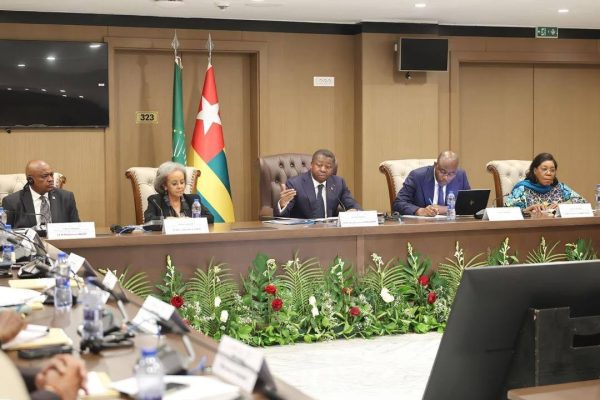
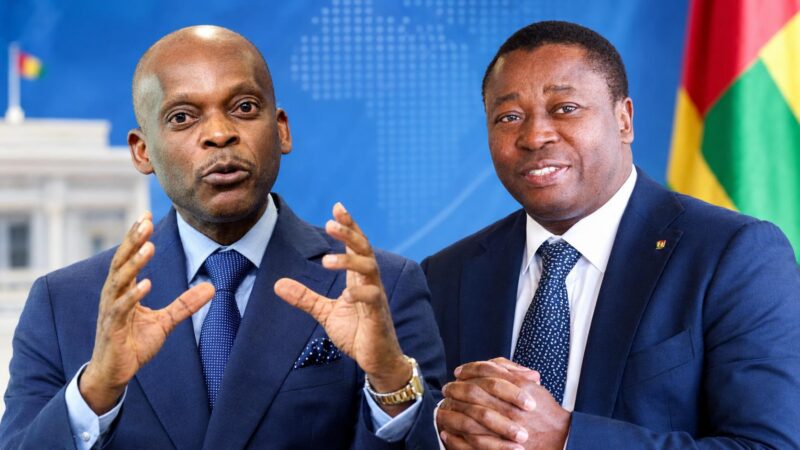
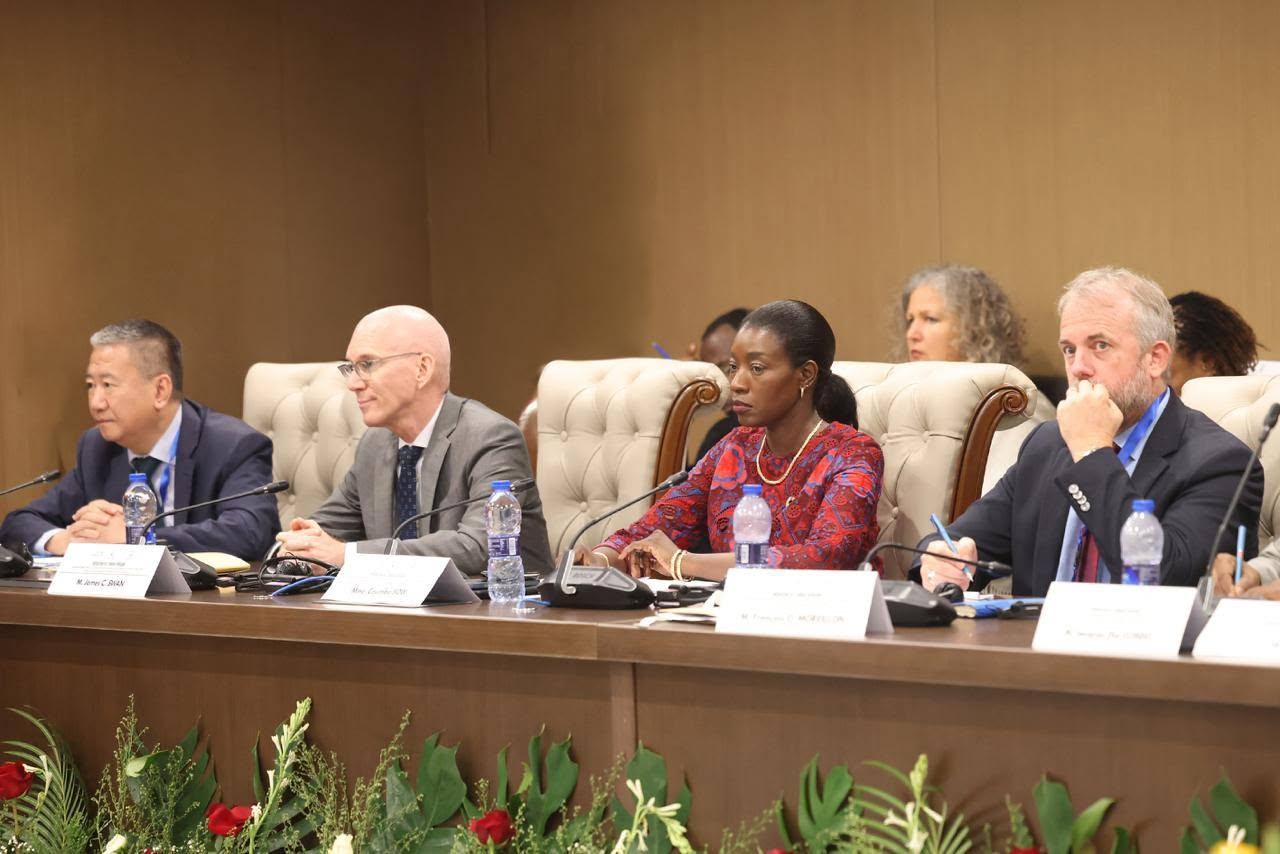
Lomé convened a high-level meeting on Monday, 8 June 2026, dedicated to African mediation efforts regarding the ongoing crisis in eastern Democratic Republic of Congo and the Great Lakes region. Chaired by Faure Essozimna Gnassingbé, the mediator appointed by the African Union, the gathering focused on a central challenge: better coordinating peace initiatives that remain fragmented.
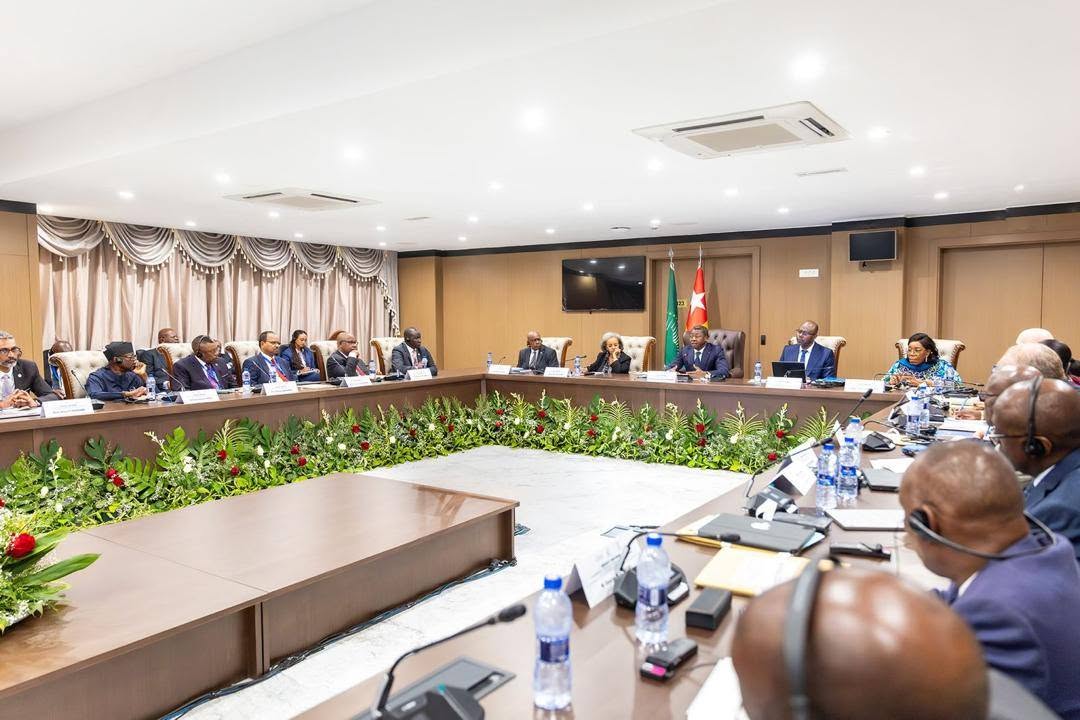
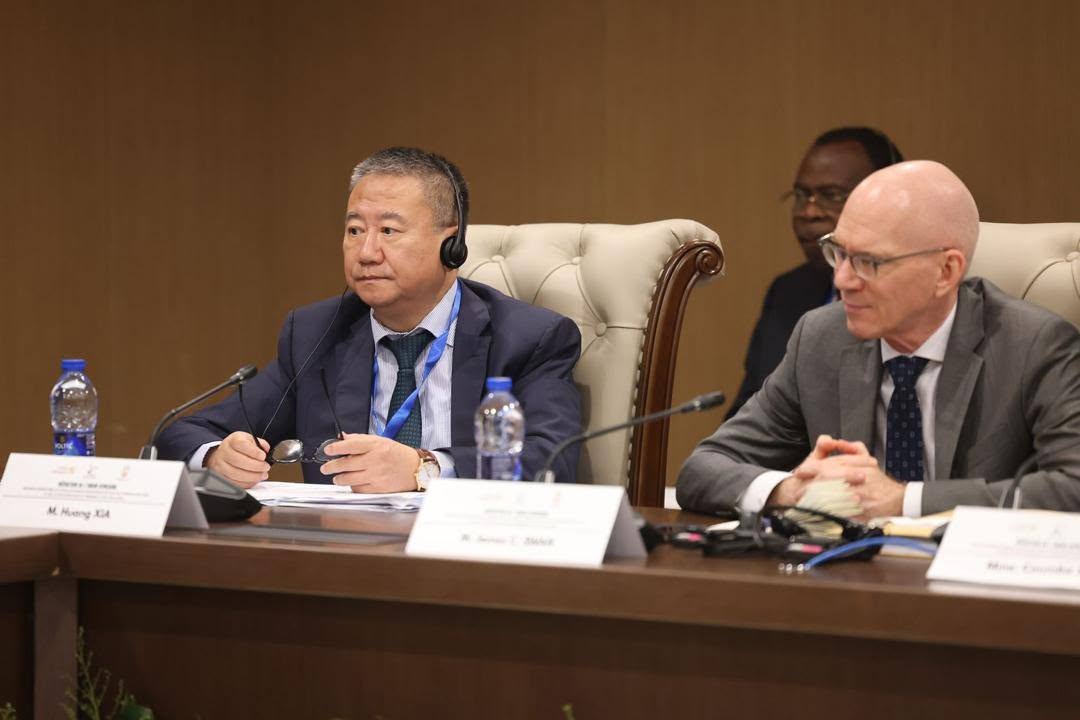
Around the table sat facilitators designated by the African Union, along with representatives from the United Nations, the East African Community (EAC), the Economic Community of Central African States (ECCAS), the Southern African Development Community (SADC), the International Conference on the Great Lakes Region (ICGLR), and the International Committee of the Red Cross (ICRC). Their presence underscores the complexity of a situation where regional frameworks, institutional mandates, and parallel diplomatic efforts intersect.
A mediation taking shape
This biannual meeting follows up on discussions held in Lomé back in January. At that time, participants had already focused on coherence within the mediation framework and the need to strengthen the peace process.
Faure Gnassingbé noted that progress had been made since then, particularly in the internal organization of the mediation architecture. In his view, the challenge is no longer just about multiplying initiatives but about making them clearer, more coherent, and more effective on the ground.
This approach addresses a recurring difficulty in protracted crises: too many actors sometimes intervene without sufficient coordination, weakening the impact of diplomatic efforts. In Lomé, the stated priority was to bring order to the process.
The bet on African dialogue
The African Union mediator reaffirmed his determination to continue his mission despite obstacles. He stressed the need to maintain collective mobilization for stability in eastern Congo, where violence and armed tensions continue to weigh on civilian populations.
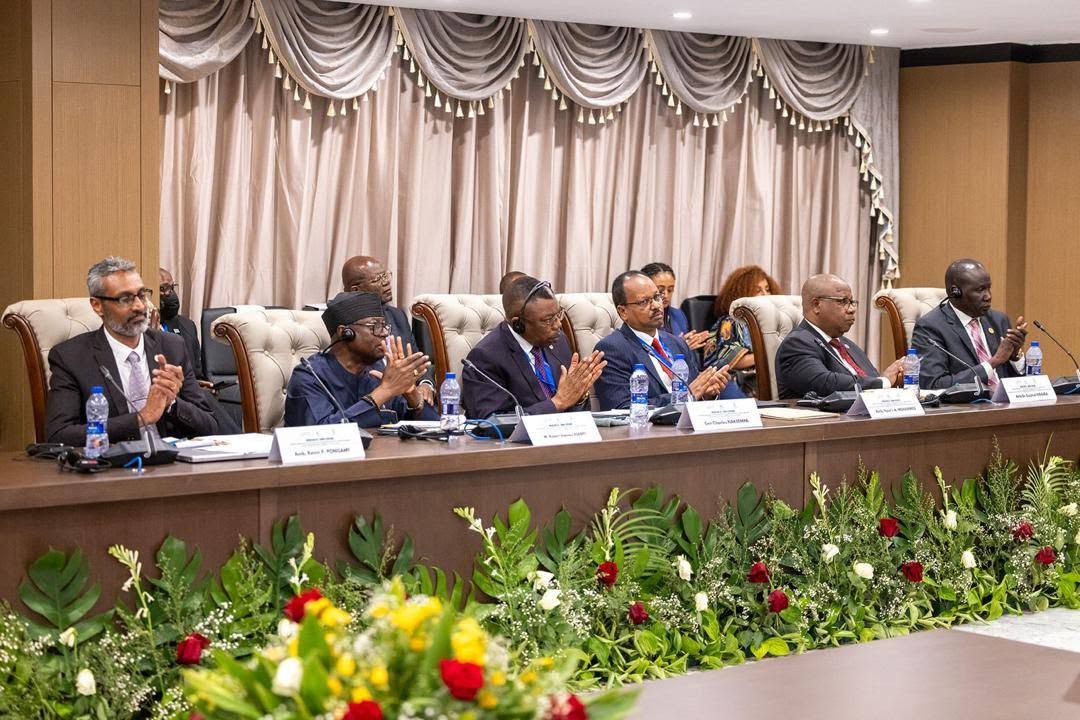
By placing inclusive dialogue at the heart of his approach, Faure Gnassingbé advocates a clear diplomatic line: prioritizing African solutions driven by African mechanisms while maintaining links with other international initiatives. This stance aims to avoid duplication and strengthen the process’s credibility.
Stakeholders welcomed this leadership, saying it helps restore trust among actors and harmonize ongoing efforts. For them, the success of mediation depends first on a clear architecture, well-distributed responsibilities, and rigorous follow-up on commitments.
Decisions for the second half of the year
The Lomé meeting produced several concrete directions. Participants agreed to strengthen coordination between the Mediator’s Office, the Panel of Facilitators, the African Union Commission, and the Independent Joint Secretariat.
They also highlighted the importance of building a more structured African contribution to the Washington and Doha processes. The aim is to enable better ownership of these initiatives by regional actors and facilitate their implementation.
In the same spirit, states and organizations involved were called upon to intensify their cooperation, respecting roles defined by the architecture adopted in Lomé on 17 January 2026. An operational action plan must now be finalized within fifteen days to turn these directions into concrete measures.
Lomé as a diplomatic hub
Ultimately, this meeting confirms Lomé’s growing role as a diplomatic platform on the Congolese dossier. Togo is gradually emerging as a convergence point for peace discussions in the Great Lakes region.
The question remains whether this push for coordination will produce tangible results on the ground. In such a long and shifting crisis, the value of mediation is measured less by its announcements than by its ability to keep actors around the same table and move a common roadmap forward, step by step.