Laurent Gbagbo maintains firm grip on PPA-CI leadership in Abidjan
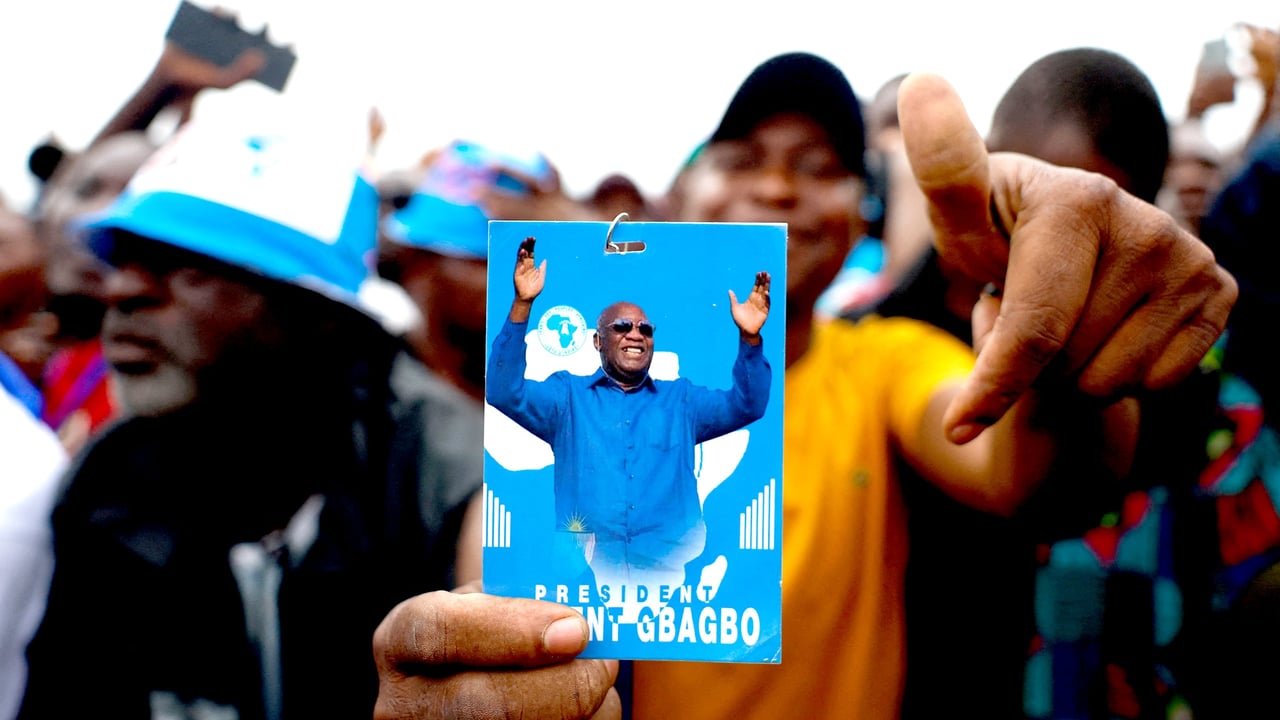
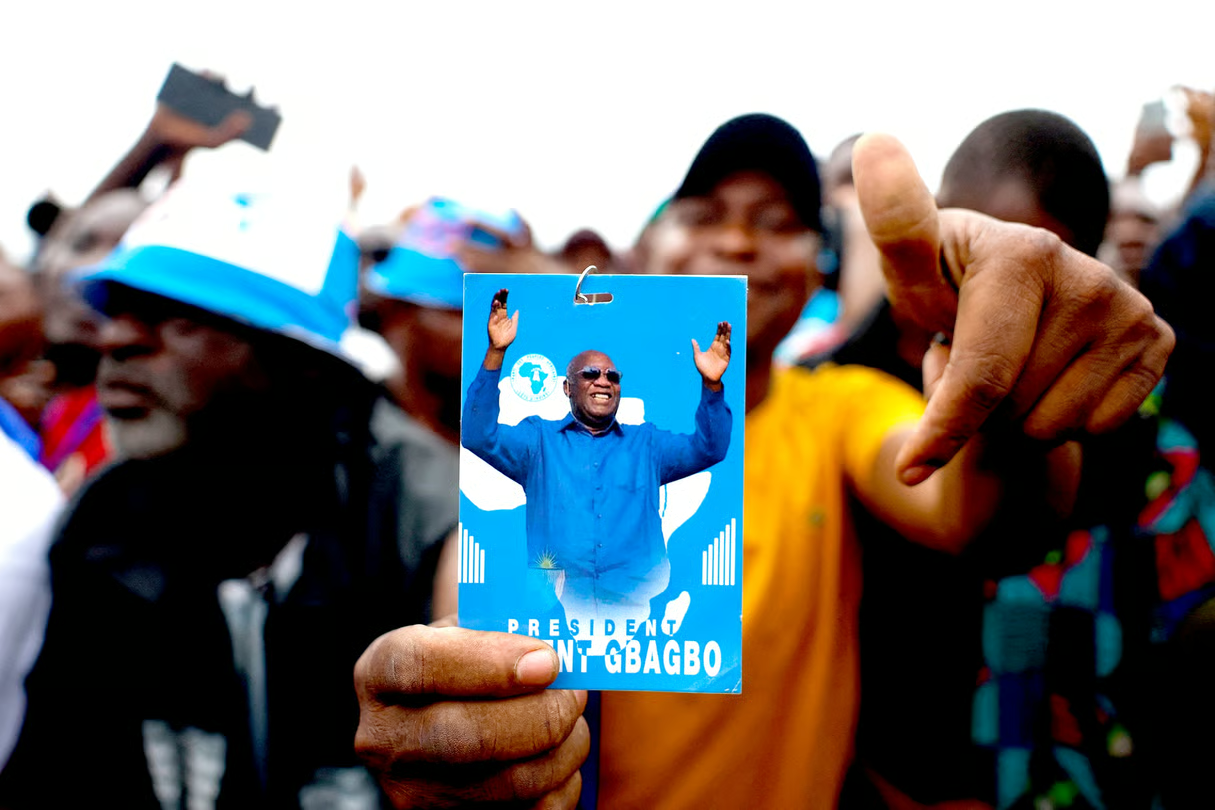
At the Treichville cultural center, the air was thick with anticipation as Laurent Gbagbo’s political movement, the Parti des Peuples Africains – Côte d’Ivoire (PPA-CI), convened its latest congress. The outcome was never in doubt: the former president’s re-election as party leader was a foregone conclusion, sealed by acclamation rather than suspense.
Party insiders had already tipped the scales days earlier. “By the end of the day, the leader will be re-elected—and everyone will be satisfied,” remarked one PPA-CI official ahead of the May 14 gathering. The prediction proved accurate. With no real opposition and Gbagbo himself absent from the opening session, the stage was set for a show of unity rather than debate.
Unanimous re-election despite absence
The congress unfolded under a banner of overwhelming support, but not without its ironies. Delegates from across Côte d’Ivoire gathered to formalize Gbagbo’s continued dominance over the party he co-founded in 2018. The absence of the man himself—who skipped the inaugural day—only underscored the symbolic nature of the event. His presence, or lack thereof, mattered little when the outcome was preordained.
The re-election process highlighted the PPA-CI’s deep-rooted loyalty to its figurehead. Party statutes were amended to reflect Gbagbo’s enduring influence, ensuring his leadership remains unchallenged for the foreseeable future. The move signals a consolidation of power rather than a transition, with the former president’s grip on the party showing no signs of weakening even after years in the political wilderness.
A party shaped by its leader
The PPA-CI has always been inextricably linked to Gbagbo’s political identity. Since its inception, the party has functioned as an extension of his vision, blending pan-Africanist rhetoric with Ivorian nationalist sentiments. His return to the helm—following years marked by legal battles and exile—has only reinforced the party’s alignment with his legacy.
Critics argue that the PPA-CI’s structure mirrors Gbagbo’s own top-down leadership style, leaving little room for internal dissent. Yet, for his supporters, the re-election represents continuity in a country still grappling with the ghosts of its 2010-2011 post-election crisis. To them, Gbagbo remains a symbol of resistance against what they perceive as foreign interference in Ivorian affairs.
What’s next for PPA-CI and Gbagbo?
The congress’s resolutions suggest a party preparing for the long term. Beyond reaffirming Gbagbo’s leadership, delegates endorsed a slate of policy proposals aimed at revitalizing the PPA-CI’s grassroots presence. From economic nationalism to youth engagement programs, the agenda reflects a party eager to reclaim relevance in a rapidly changing political landscape.
Yet questions linger. With Côte d’Ivoire’s 2025 presidential election looming, the PPA-CI’s next moves will be scrutinized closely. Will Gbagbo mount another bid for the presidency, or will the party focus on consolidating its influence at the local level? For now, one thing is clear: the former president’s authority within the PPA-CI remains absolute, and his absence at the congress did little to dampen the celebration of his leadership.
PPA-CI members left Abidjan with a renewed sense of purpose—and a party that, for better or worse, continues to revolve around its most prominent figure.