Kinshasa, the vibrant capital of the Democratic Republic of Congo, recently experienced a pivotal moment as the political opposition orchestrated a “journée ville morte” – a “ghost town day” – across the city. This large-scale call for a shutdown was a direct challenge, intended to protest against the government’s potential constitutional amendments. The initiative prompted widespread discussion, with many questioning the efficacy of such a strategy in influencing national governance Africa.
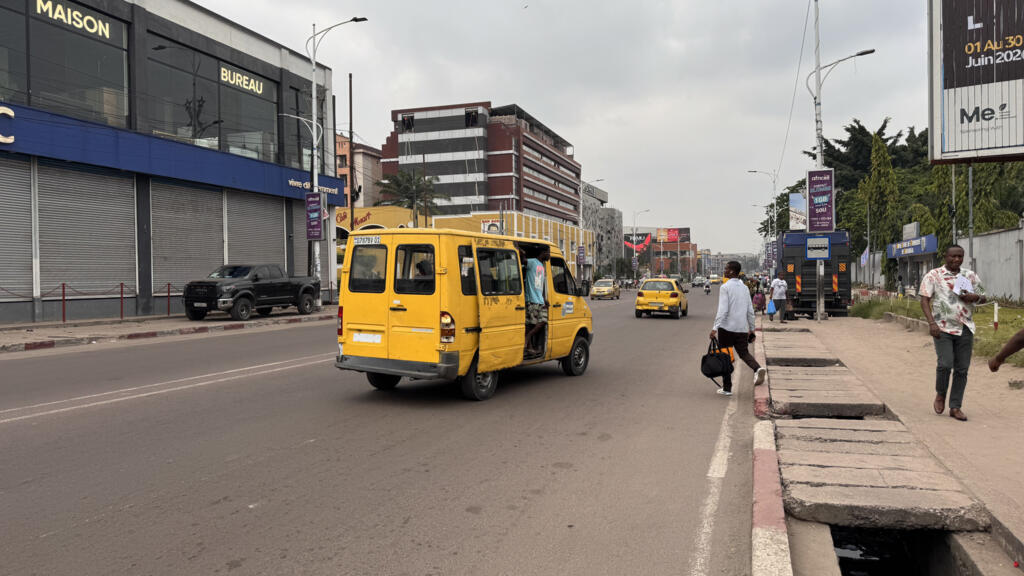
As the day progressed, the central business district of Kinshasa, depicted here on June 3, 2026, showed timid circulation, reflecting a mixed response to the opposition’s appeal. This visual snapshot raises critical inquiries into the true impact of the “journée ville morte.” Did the opposition successfully achieve its objective of demonstrating widespread disapproval of the proposed constitutional changes? Was this strategic move a pertinent one, capable of shifting the balance in the ongoing political standoff?
The implications of this event extend beyond Kinshasa, offering a glimpse into the evolving landscape of African politics and society Africa. The outcome of this test day will undoubtedly shape future interactions between the opposition and the ruling power in the DRC. Observers are now contemplating the next steps in this political tug-of-war, analyzing how this “journée ville morte” will inform subsequent actions and reactions in the Democratic Republic of Congo’s complex political arena.