Ivory coast unveils $1.7 billion high-speed rail to boost 2030 vision
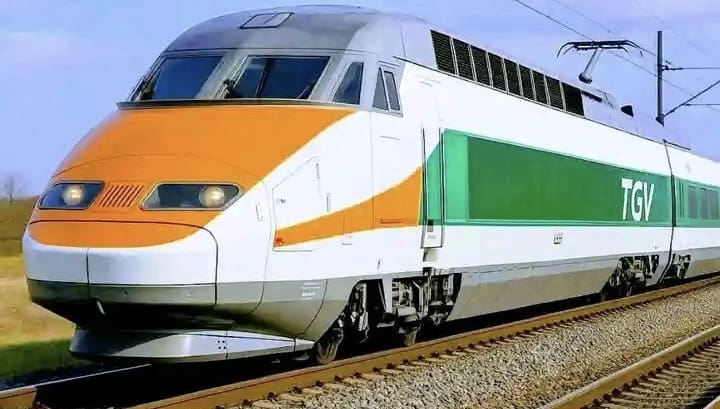
The Côte d’Ivoire is set to revolutionize its transport landscape with a groundbreaking high-speed rail project. As part of the 2026-2030 National Development Plan (NDP), the government is investing in a Train à Grande Vitesse (TGV) that will connect the economic hub of Abidjan to the northern city of Ferkessédougou, passing through key urban centers like Yamoussoukro, Bouaké, and Korhogo.

This flagship initiative is designed to slash travel times dramatically. For instance, the journey from Abidjan to Yamoussoukro will be reduced to just 45 minutes, a game-changer for daily commuters and businesses. The project underscores the government’s commitment to fostering economic integration and territorial cohesion, positioning the country as a pivotal player in West Africa’s logistics and transport networks.
Expanding mobility: metro, airports, and roads
The high-speed rail is just one pillar of a broader infrastructure overhaul. The Abidjan Metro, spanning 37 kilometers, is slated for completion by 2029, enhancing urban mobility. Additionally, two new international airports are in the pipeline: one in San-Pedro in the southwest and another in Bondoukou in the east, aimed at boosting both domestic and regional connectivity.
NDP 2026-2030: a roadmap for economic transformation
The National Development Plan outlines a bold vision to propel the Côte d’Ivoire into the ranks of upper-middle-income countries by 2030. The strategy prioritizes regional economic hubs, accelerated industrialization, and the promotion of local industries. Central to this plan is the government’s role in steering national development through strategic investments and policy frameworks.
By modernizing its infrastructure, the country aims to create a more cohesive society while reinforcing its position as a regional leader. The plan also emphasizes social stability and inclusive growth, ensuring that economic benefits reach all segments of the population.
Mobilizing $17 billion for a brighter future
Financing this ambitious agenda requires a total investment of 114,838.5 billion FCFA (approximately $17 billion) over the next five years. The government will contribute 30% of the funds, with the remaining 70% expected to come from private sector partnerships and international investors.
To rally support, Abidjan will host a high-level consultative group meeting on July 8-9, 2026. The event, supported by global financial institutions like the World Bank, European Union, African Development Bank, and United Nations, will showcase the plan’s potential and attract the necessary capital.
Charting a path to regional leadership
The Côte d’Ivoire is not merely upgrading its infrastructure—it is redefining its economic future. With high-speed rail, metro systems, new airports, and upgraded roads, the country is laying the foundation for a thriving, interconnected West Africa. These investments are critical to sustaining growth, attracting businesses, and solidifying its role as a key player in the region’s economic landscape.