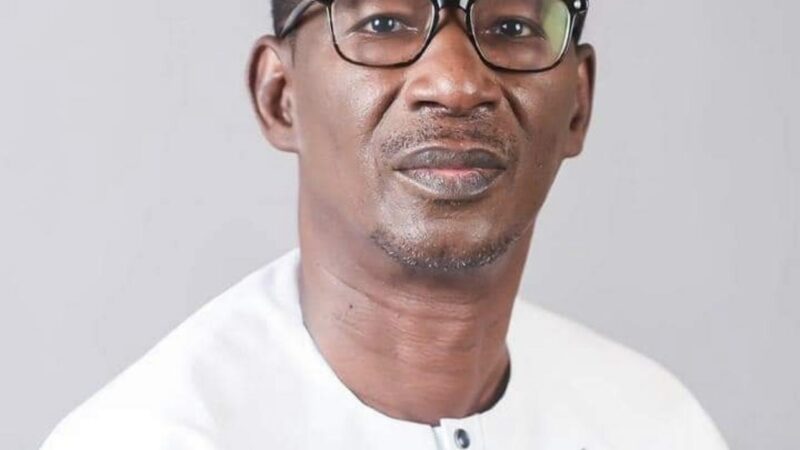
One of Côte d’Ivoire’s most distinguished political figures, Auguste Miremont, shares his insights into the nation’s modern political journey. As the country’s first Minister of Communication (1989-1993) and former Director-General of Fraternité Matin, Miremont offers a unique perspective on the leadership styles of Presidents Félix Houphouët-Boigny and Alassane Ouattara. His reflections come as a new biography, « Auguste Miremont, d’Houphouët à Ouattara, en toute liberté… », captures his remarkable career.
Ivorian political veteran Auguste Miremont reflects on legacy from Houphouët to Ouattara
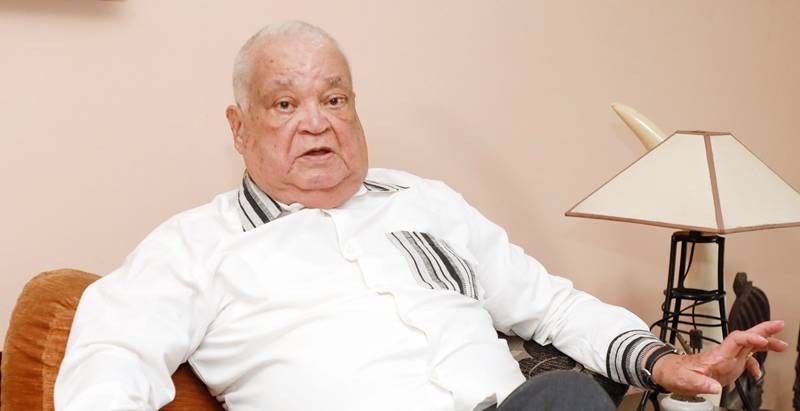
Why did you finally agree to share your life’s work through this biography?
For decades, I deliberately avoided such projects. The author, Michel Koffi, had to overcome significant resistance to convince me. Since leaving my roles as a journalist, deputy, mayor, and minister, I’ve preferred maintaining a low profile. Yet countless voices—including those from my village during official ceremonies—urged me to preserve my experiences for posterity. When Michel proposed it as a means of transmission rather than self-glorification, I reconsidered. The title itself, « d’Houphouët à Ouattara, en toute liberté… », reflects this intent: to document a journey, not to praise myself.
This book is deeply rooted in Côte d’Ivoire’s media and political history. Did your professional ties with Fraternité Matin and Fratmat Editions influence your decision?
Not directly. What mattered most was the trust between Michel Koffi and me. We’ve collaborated professionally and shared personal bonds for years. He understood my perspectives, my reservations, and my way of thinking—making the exchange both natural and profound. The project’s depth required that level of mutual understanding.
Your conversations spanned 30 hours over 18 months. How did this process unfold?
(laughs) The work was more demanding for Michel than for me! Those sessions were intellectually stimulating. He’d return with transcriptions, and as a former journalist, I’d refine them—editing, rephrasing, and polishing until they truly reflected my voice. At one point, he realized showing me drafts would delay completion indefinitely!
Côte d’Ivoire’s political evolution: From stability to turmoil and back
How do you assess the political trajectory from Houphouët-Boigny to Ouattara?
The path has never been smooth. Under Houphouët-Boigny, Côte d’Ivoire achieved remarkable stability, though crises and social tensions persisted. His genius lay in his ability to listen, temporize, and act decisively when needed. The post-Houphouët era introduced far greater complexities. The succession disputes between Henri Konan Bédié and Ouattara, followed by institutional ruptures, plunged the nation into turmoil. The 1999 coup d’état and its violent aftermath—spanning Gueï’s rule to Gbagbo’s presidency—marked the darkest chapters of my career.
What moments were most devastating for you?
The 1999 coup was a personal tragedy. As President of the PDCI’s parliamentary group, I led 175 deputies—a commanding majority. To see the country collapse so violently shattered me. The subsequent violence, from Gueï’s assassination to the murder of Emile Boga Doudou during negotiations I was involved in, left indelible scars. Learning of these events while en route to Abidjan, I wept at the airport. The Côte d’Ivoire we built under Houphouët—stable, respected, and supportive of its neighbors—was crumbling. International media mocked our struggles, a humiliation for those of us who witnessed the nation’s golden age.
Personal reflections on Côte d’Ivoire’s leaders
What was your relationship with Houphouët-Boigny like?
I wouldn’t claim intimate access. As Minister of Communication and Director-General of Fraternité Matin, we interacted daily—but always on professional matters. He respected my integrity; I never sought favors, and I spoke my mind freely. Ironically, his only quirk was addressing me as « De Miremont » (laughs). He had an acute sense of history and those who shaped it. Whether my ancestry included nobility, I can’t say—but his intent was clear.
Did your European heritage ever influence your role?
Never. Houphouët-Boigny treated me as an equal, never granting special treatment. His mannerisms reflected his deep connection to Côte d’Ivoire’s soul, not my background.
How did your relationship evolve under President Bédié?
Excellent. As President of his parliamentary group, we shared a history dating back to Fraternité Matin, where he served as Finance Minister before his diplomatic posting. Our bond strengthened through mutual friends like Laurent Dona Fologo. Though his presidency reduced our interactions, he remained accessible when I needed him. His passing left a void.
What about Presidents Gueï and Gbagbo?
Robert Gueï was family—Yacouba by ethnicity—so we crossed paths daily, though I held no sway over his policies. With Laurent Gbagbo, our relationship began when he was an academic entering politics. As minister, we engaged in critical negotiations, including efforts to form a unity government during economic crises. Later, as President, he supported me financially—a gesture I’ve never forgotten.
Ouattara’s leadership: Lessons from Houphouët and modern challenges
Who best embodied Houphouët-Boigny’s philosophy: Bédié, Gbagbo, or Ouattara?
Comparisons are unfair—each leader forged their own path. Yet Ouattara stands out for absorbing Houphouët’s patience, discipline, and strategic timing. My only critique? As Prime Minister, he tolerated zero errors—removing colleagues instantly for deviation. That rigor fueled Côte d’Ivoire’s economic recovery, but today, I find him more measured, perhaps a reflection of experience and age.
What defines your relationship with Ouattara today?
Unwavering trust and loyalty. I admire his resilience—overcoming trials that would break most leaders. As Prime Minister, his courageous decisions, though unpopular, saved our economy. His courtesy is legendary: aides would call back within minutes if he missed a call. And his compassion? He personally addresses the concerns of those who seek him, from ministers to ordinary citizens. These traits define him.
With Ouattara nearing the end of his political career, what’s next for Côte d’Ivoire?
He’s still firmly in charge, and no succession plan appears imminent. His focus remains on unity, solidarity, and prosperity. The infrastructure projects—hospitals, universities, roads—are staggering. Two years ago, I witnessed the Boulevard des Champs-Élysées in Daloa. Even in my hometown of Bin-Houyé, just 30 kilometers of pavement separate us from Toulépleu. These aren’t isolated successes; they’re part of a national momentum.
But progress comes with costs…
Absolutely. The economic strides are undeniable—international standards have stabilized our finances. Yet social pressures persist: soaring living costs and persistent poverty. The government acknowledges this, implementing social safety nets, vocational training, and youth programs like the « Ecole de la deuxième chance ». In my village alone, 25 apprenticeships were funded. These efforts, though imperfect, demonstrate a commitment to balance progress with equity.