How PSG’s Willian Pacho transfer reshaped Presnel Kimpembe’s career
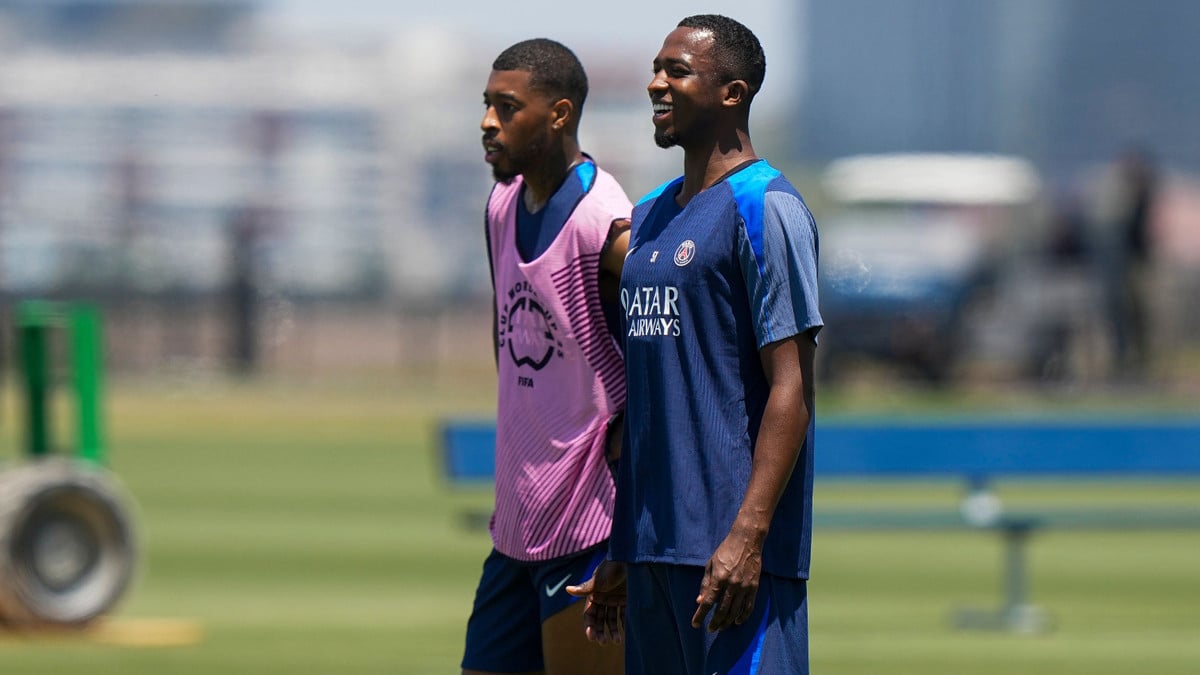
Presnel Kimpembe’s journey with Paris Saint-Germain (PSG) reached its climax not just with the club’s historic UEFA Champions League triumph, but also with the bittersweet awareness that his era as a key figure in the team was drawing to a close. The arrival of Willian Pacho in 2024 marked a turning point—one that reshaped the left-footed defender’s role within the squad and ultimately accelerated his transition away from the Parc des Princes.
From first-team regular to strategic shift
Kimpembe, a product of PSG’s youth academy, had navigated the club’s turbulent years under QSI ownership. Yet, his story took an unexpected twist when the club invested €40 million to sign Willian Pacho from Eintracht Frankfurt. The move signaled a clear strategic choice: the Equatoguinean international was brought in to partner Marquinhos in central defense—a position closely aligned with Kimpembe’s own profile as a left-footed center-back. With the new arrival’s arrival, the writing was on the wall for Kimpembe, who recognized early on that his playing time was set to diminish.
The emotional weight behind the Champions League finale
In a candid reflection, Kimpembe described the moment as neither a heartbreak nor a surprise. ‘It’s not devastation—no,’ he explained. ‘I was already at the end of my journey. I had always pushed myself to succeed and meet my goals, no matter how complex the situation became. Despite the challenges, I kept working, striving to return to my best form at the right time.’ His words carried a sense of acceptance, tempered by pride in the club’s ultimate achievement. ‘The story took a wild turn when we lifted the Champions League trophy. I would have preferred to leave as an active contributor on the pitch. But the best way to thank everyone was to walk away with that title in hand.’
The quiet frustration of a champion’s bench role
Though Kimpembe’s legacy includes being part of a team that secured European glory, he admitted to a lingering sense of unfulfilled ambition. ‘There was so much joy and happiness,’ he shared. ‘But internally, there was also this small dose of frustration. I wanted to be one of the true on-field leaders. Even knowing I played a key role off the pitch and within the club, the absence from action leaves a unique flavor—one that stays with you.’ His honesty painted a picture of a player who, despite his contributions, felt the weight of not being on the field when it mattered most.