For a long time, accessing medical treatment was an insurmountable challenge for many citizens of Burkina Faso. A financial wall stood between patients and hospitals until March 13, 2024, when the government decided to dismantle it. By slashing prices for essential exams and removing the heavy deposit for dialysis in public facilities, the State has fundamentally transformed the medical landscape. Here is a look at the impact on the ground.
In the crowded corridors of national hospitals, the tension of the past is slowly giving way to hope. Previously, healthcare felt like a privilege reserved for the wealthy rather than a basic human right, primarily due to prohibitive costs and mandatory deposits that many families simply could not afford.
At the Bogodogo University Hospital Center, Madi Diallo shares a heartbreaking story that illustrates why these changes were so desperately needed. His sister required urgent dialysis three years ago, but the family could not raise the 500,000 F CFA deposit required at the time. She did not survive. While he welcomes the removal of this financial barrier today, he notes with a heavy heart that for his family, the reform came too late.
This personal tragedy reflects a broader reality that once affected thousands across Burkina Faso. For decades, survival was often tied to one’s bank account, creating a system where life-saving care was out of reach for the vulnerable.
A nationwide shift in medical affordability
To address this inequality, the Burkinabè authorities launched a major reform to make healthcare economically accessible. Since mid-March 2024, the costs of several key medical examinations have been significantly reduced across all public health structures, providing immediate relief to patients.
The Minister of Health, Dr Robert Lucien Jean Claude Kargougou, detailed these changes following a cabinet meeting. The new pricing structure represents a dramatic shift in public health policy.
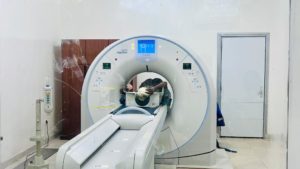
The cost of a scanner, which used to be 50,000 FCFA, has been halved to 25,000 FCFA. Magnetic Resonance Imaging (MRI) fees dropped from 100,000 to 40,000 FCFA. Most notably, the mandatory 500,000 FCFA deposit for dialysis has been completely abolished. This initiative specifically targets the most disadvantaged social groups, removing the financial obstacles to diagnostic imaging and specialized care.
These are not just hollow promises; the effects are visible in hospitals. By July 2025, the reality of these reforms was evident in several public health centers.
Concrete results at the Bogodogo University Hospital
At the Bogodogo University Hospital Center, the price reductions are being strictly applied. Dame Ouédraogo, formerly Nikiéma Élodie, recently underwent a pelvic MRI. She expressed her relief at paying only 40,000 FCFA, including supplies, noting that the same procedure can cost upwards of 150,000 FCFA in other facilities.
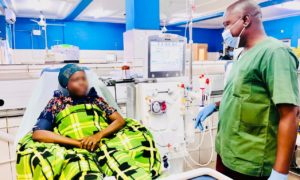
The savings of over 100,000 FCFA are life-changing for patients like her, allowing them to cover other essential family expenses. Seydou Nombré, the Director General of the hospital, confirmed that the 500,000 FCFA dialysis deposit is gone, and emergency dialysis now costs only 2,500 FCFA.
Transforming care in the Oubritenga region
The reform’s impact extends beyond the capital. At the Ziniaré Regional Hospital, the new pricing is also in effect. Beyond lower costs, the facility has seen an improvement in its equipment and service offerings. Patients no longer need to make the expensive trip to Ouagadougou for basic exams, as they can now be performed locally at the new rates.
Mady Zorné, the Director General of the Ziniaré hospital, noted that medical evacuations to the capital have significantly decreased. Doctors now have better access to imaging, which leads to faster and more accurate diagnoses, improving the entire healthcare chain.
The challenge of high demand at Yalgado Ouédraogo
As the largest health facility in the country, the Yalgado Ouédraogo University Hospital Center (CHU-YO) serves as the ultimate test for these measures. The hospital faces a constant influx of patients, requiring the staff to work tirelessly around the clock.
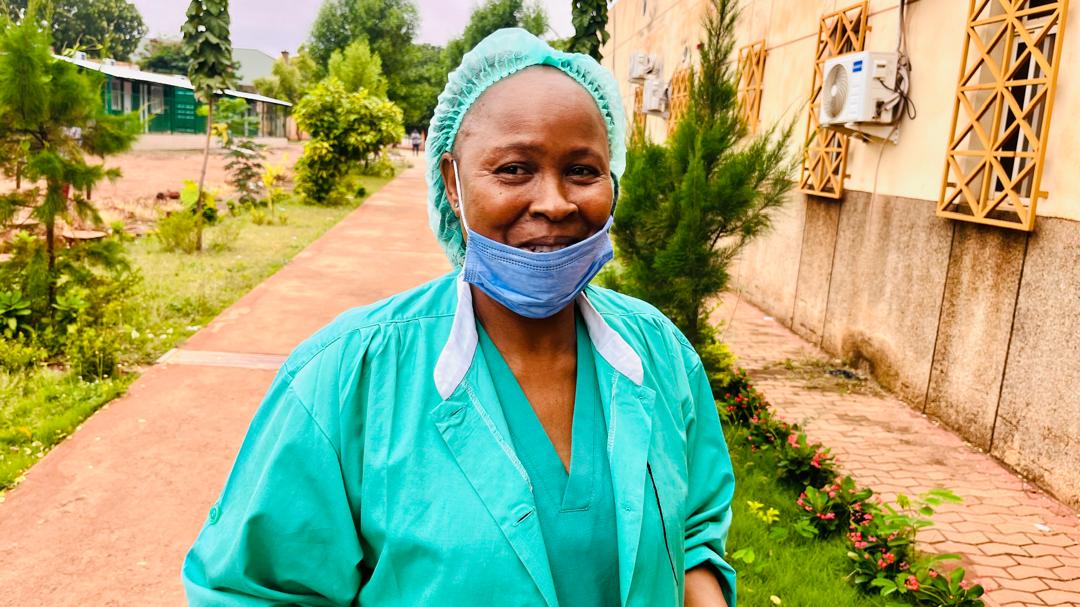
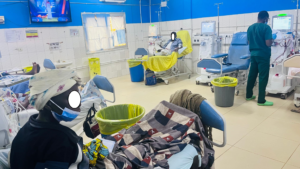
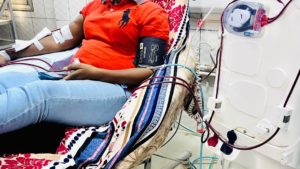
In the dialysis unit, 34 machines serve nearly 100 patients daily. Tuina Nsoma Hélène, the department head, explains that the removal of the 500,000 FCFA deposit has opened doors for many who were previously excluded. However, logistical constraints remain a hurdle; with limited machines, the waitlist is still long.
While 16 new patients were able to start dialysis without the initial deposit since the reform began, chronic patients still face high costs for supplementary tests. Staff members are advocating for the State to further reduce these secondary expenses to ease the monthly financial burden on families.

The radiology department has also seen a record number of visits. Prof. Nina Astrid Ouédraogo reported a 38% increase in the number of scanners performed within a year, proving that the lower costs have met a massive, previously untapped need.
Progress in Bobo-Dioulasso and beyond
In Bobo-Dioulasso, the Sourou Sanou University Hospital (CHUSS) is also implementing these changes. Élie Ouattara, a patient at the facility, shared his joy at finding medical supplies and services at much more affordable prices, which reduces the stress of hospital visits for both patients and their families.
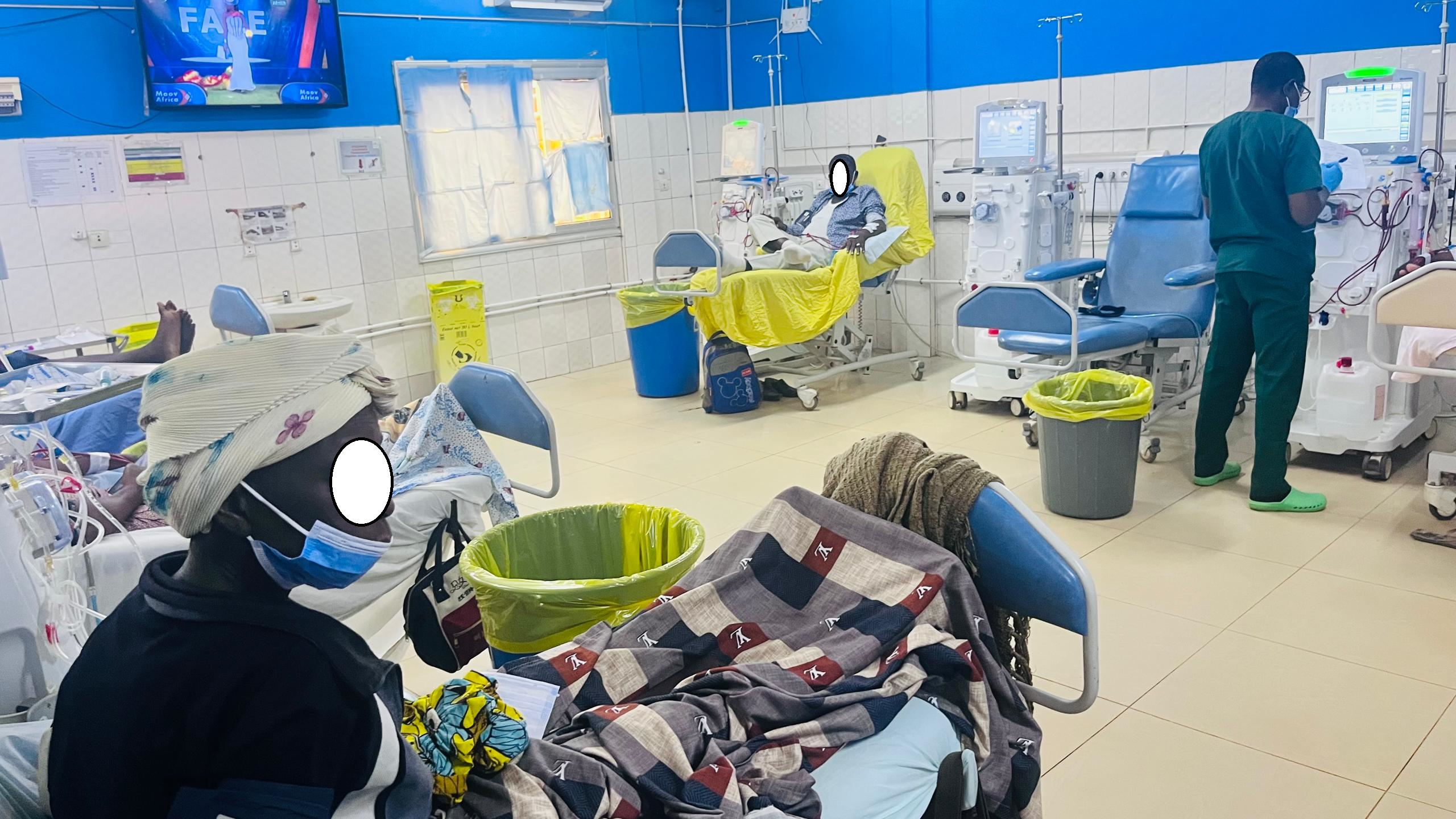
Dr Hamidou Sawadogo, a nephrologist at CHUSS, confirms that while the deposit has been removed, the facility still struggles with capacity. With 125 chronic patients and many more acute cases waiting for care, there is an urgent need to expand dialysis centers and hire more specialized staff.
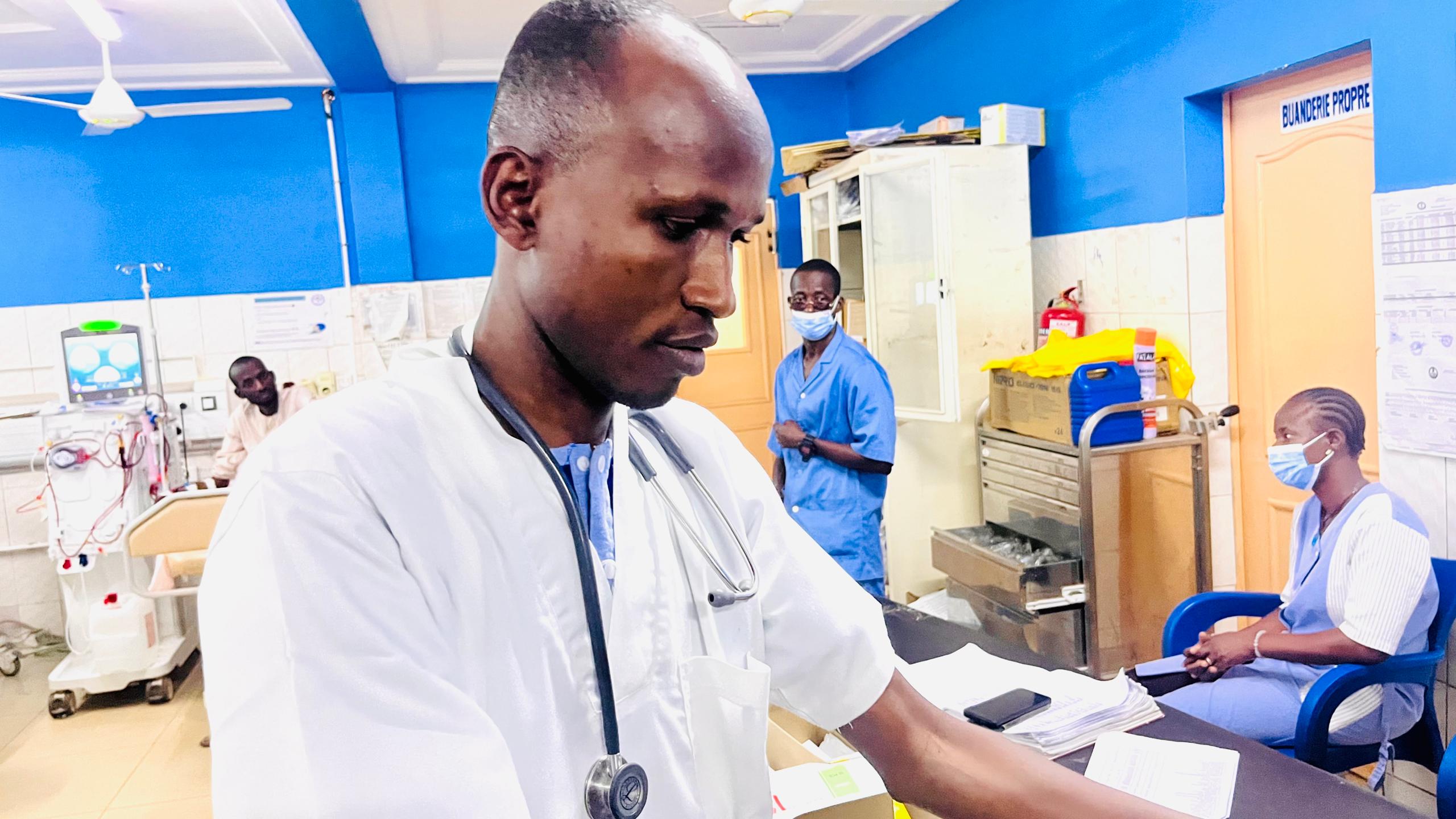
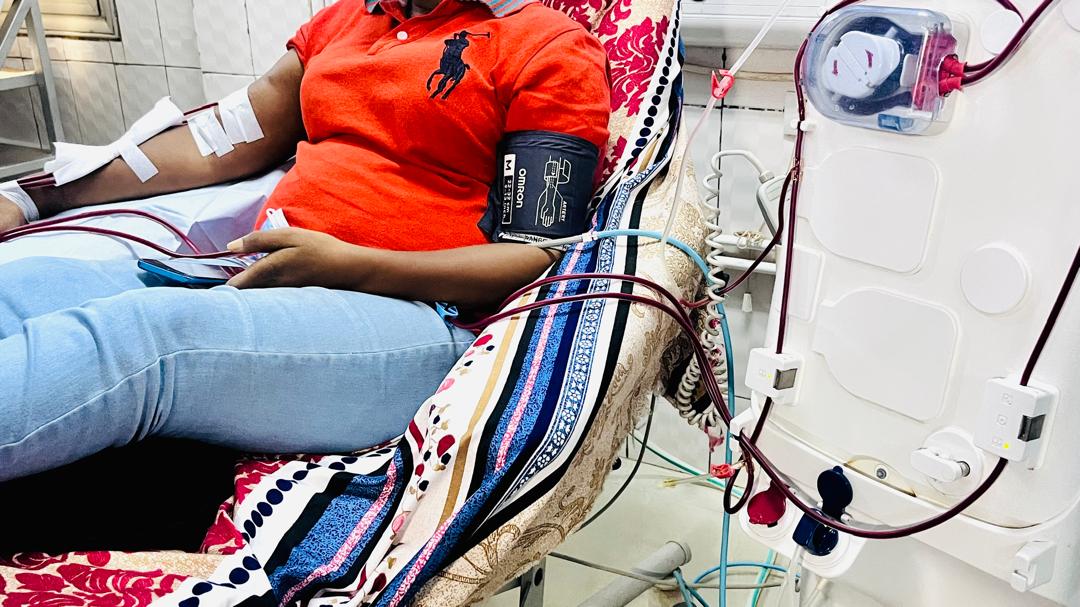
Patients like Dame Sanou, who has battled kidney failure since 2018, see the reform as a restoration of their dignity. Similarly, Youl Sié, who undergoes regular dialysis, advocates for the decentralization of these services. He emphasizes that being able to receive treatment in one’s own community would preserve family cohesion and reduce the social burden of the disease.
Building a future for public health
Burkina Faso is making steady progress toward a more equitable health system. While challenges like equipment shortages and long waitlists remain, the fear of a massive hospital bill is fading for many citizens.
The recent inauguration of the Pala University Hospital and its radiotherapy center by Captain Ibrahim Traoré marks another milestone. With nine more high-standard hospitals planned, Burkina Faso is moving toward a future where quality healthcare is a right for all, not just a privilege for some.
Portfolio