Goma border closure stifles local commerce and cross-border trade
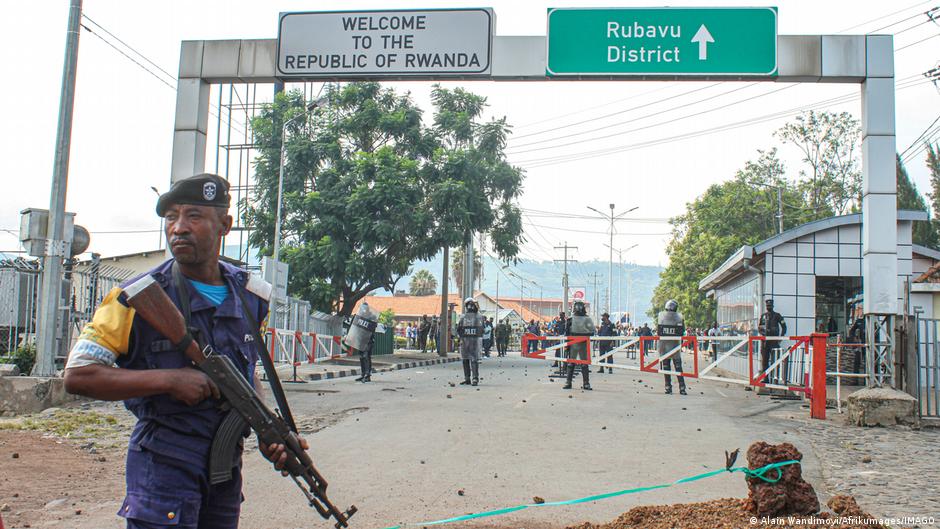
The vital connection between Goma, located in the eastern Democratic Republic of Congo, and Gisenyi in Rwanda has been severed, leaving residents in a state of deep uncertainty. Local traders, street vendors, and financial analysts are already witnessing a sharp decline in regional economic health following the suspension of border activities.
To mitigate the threat of an Ebola outbreak, Rwanda has implemented strict containment strategies, including the total shutdown of its borders with the DRC. These measures are accompanied by rigorous health inspections at all national entry points.

Small-scale vendors bear the brunt
For Jacques Safari, an egg merchant who has operated near the Goma crossing for years, the financial toll has been devastating. His daily earnings have plummeted since the checkpoints were locked down.
Safari noted that the lack of foot traffic has decimated his sales. Previously, he could move five crates of eggs in a single day, but now he struggles to sell even two. He links this downturn directly to the absence of travelers who once regularly moved between the two countries.
“The socio-economic hardship triggered by the border closure is the primary cause, as we relied heavily on those passing through for our livelihood,” he explained.
Supply chain disruptions for Birere wholesalers
The impact is equally severe for bulk retailers dealing in manufactured goods. In the bustling Birere market, business owners are speaking out about the increasing hurdles they face in securing stock.
Hamuli Kasilembo, a wholesaler in the market, pointed out that trade with Rwanda once ensured a swift and dependable supply chain. Today, however, merchants are grappling with logistical nightmares and a noticeable drop in consumer demand. He observed that the flow of capital has slowed significantly, making every transaction more difficult to finalize.
A predictable crisis for the local economy
Financial experts argue that these economic shocks were entirely foreseeable. Alphonse Muanda emphasized that the daily commercial interactions between Goma and Gisenyi are the foundation of the local economy for both border towns.
He highlighted that a vast number of micro-entrepreneurs depend on cross-border movement for their daily survival. Many of these individuals traveled to Gisenyi to buy essential household items such as rice and soap, which they would then resell.
“When the Rwandan authorities shut the gates, the small-scale traders are the first to suffer. Their entire existence is built on these daily exchanges,” Muanda remarked.
The decision by Rwandan officials to restrict movement was rooted in health safety protocols to prevent the spread of Ebola. As the restrictions persist, the people of Goma are increasingly fearful that social and economic instability will only deepen in the coming weeks.