Gabon’s temporary ban on sardine and ‘sans nom’ fish exports to secure national supply
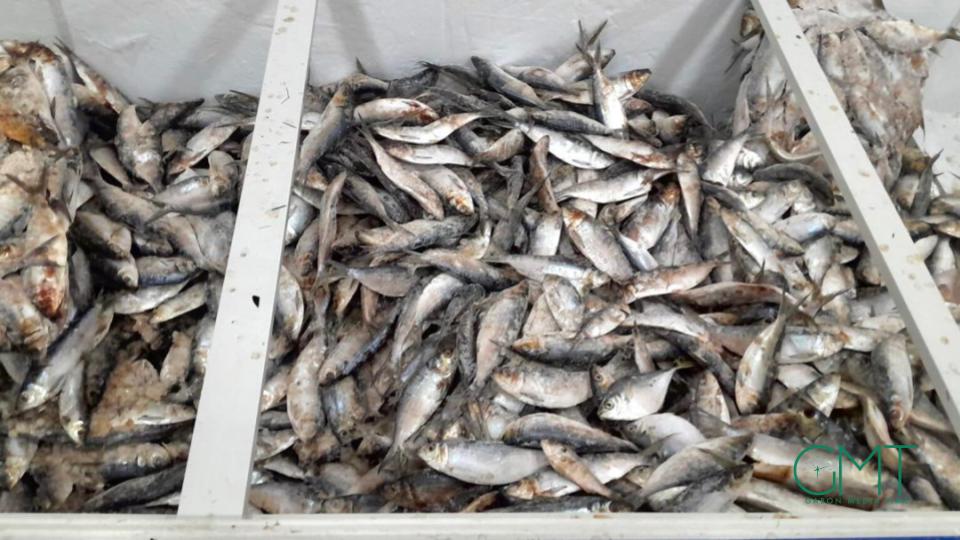
Gabon’s government has intensified its efforts to safeguard the domestic supply of vital seafood products. Effective March 26, 2026, the exportation of sardines (Ethmalosa fimbriata) and the locally known “sans nom” fish (Heterotis niloticus) has been temporarily prohibited nationwide. This significant policy shift, formalized through two ministerial decrees from the Ministry of Sea, Fisheries, and Blue Economy and published in the Official Journal on April 16, 2026, directly addresses a growing scarcity observed in national markets. While these specific species continued to be channeled into neighboring countries, particularly through border regions like Cocobeach, authorities are now firmly committed to prioritizing local consumption and curbing uncontrolled outflows of these essential resources. Such actions reflect a broader commitment to robust governance Africa aims to achieve.
On May 30, the Governor of Estuaire province, Marie Françoise Dikoumba, personally visited Cocobeach to underscore the mandatory nature of this regulation to local fishermen, traders, and transporters. This vital awareness campaign comes amidst increasing public concern within society Africa regarding the dwindling availability of sardines on market stalls. Officials contend that continued exports to bordering nations have significantly destabilized the national supply, leading to inflated prices and making it increasingly difficult for households to access a staple food item crucial for daily nutrition.
Preserving stocks and enhancing food security
The two decrees explicitly state that this interim prohibition is designed to streamline production and distribution networks, stabilize the domestic market’s supply, and actively combat price surges. Furthermore, authorities are keen on enhancing the traceability of fishery products, securing future exports, and ensuring compliance with stringent sanitary standards. This strategic African politics initiative is part of a wider governmental effort to alleviate the high cost of living and bolster food sovereignty, both declared national priorities.
The Ministry of Sea also highlighted the escalating pressure on sardine populations in Gabonese waters, as well as on the “sans nom” populations inhabiting the nation’s rivers and lakes. By temporarily halting exports, the state aims to facilitate the replenishment of biological capital in the most heavily exploited areas, thereby ensuring the sustainable utilization of these species. Violators of this new regulation face severe penalties under the Code of Fisheries, which range from the confiscation of cargo and the revocation of fishing permits to potential legal prosecution, unless an exceptional authorization is granted by the relevant administrative authority.