Gabon faces international scrutiny over Swiss bank accounts
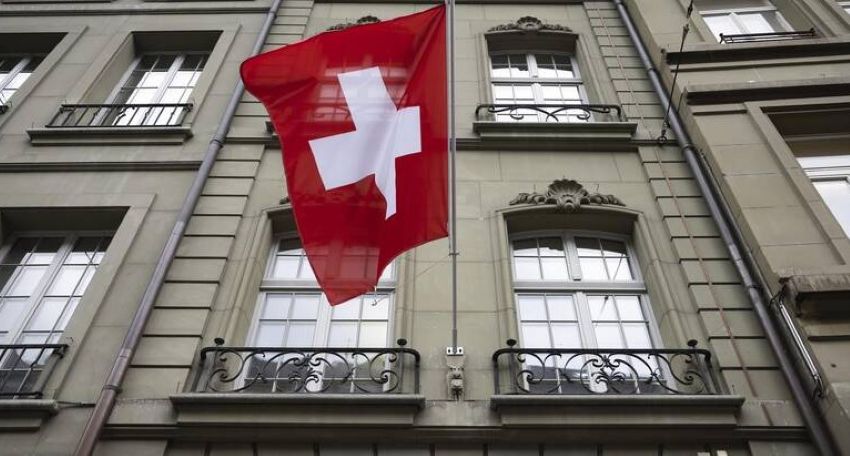
Libreville, July 3, 2026 – While political condemnations continue in Libreville, a far more sensitive chapter in the Sylvia Bongo case is unfolding on the international financial stage. Between Geneva, London, and Gabon, the former First Lady of Gabon is navigating the fallout of a Swiss investigation into millions of euros deposited in a Geneva bank.
The Gabonese authorities view this case as a potential extension of the legal proceedings initiated following the regime change of August 30, 2023. Behind the courtroom debates lies a critical question for Gabon—and for Africa as a whole: the transparency of wealth held by political elites.
Geneva: A new legal battleground
For over two years, the investigation by the Geneva Public Prosecutor’s Office remained shielded from public view. Its existence, however, has exposed a particularly delicate front for the former presidential circle. According to publicly available information, Swiss authorities are scrutinizing several million euros held in a Geneva bank, seeking to determine the exact origin of these funds. This effort aligns with international mechanisms aimed at combating money laundering and suspicious financial flows.
In Geneva, the legal process follows its own rhythm and logic. Magistrates are not concerned with Gabon’s political transition or the convictions handed down in Libreville. Their sole focus is determining whether the funds in question are illicit.
Sylvia Bongo’s legal team wasted no time in responding to the recent ruling by the Geneva Court of Justice. They emphasize that the decision addresses only procedural aspects and does not prejudge the final outcome of the investigation. The defense contests the accusations leveled against their client and also challenges the fairness of the trial conducted in Gabon.
The defense’s stance on political wealth
From her residence in London, where she now lives, the former First Lady has chosen to engage on a more political level. She asserts that her assets stem from no public Gabonese funds. According to her account, no transactions from the Gabonese Treasury can link her personal wealth to state resources. She further contends that the banks involved conducted all necessary regulatory checks before approving the transactions.
Bongo maintains that the Swiss investigation was triggered by the accusations made in Gabon following the 2023 power shift. She points out that the Geneva probe began while she was detained in Libreville, suggesting that political motives fueled the financial scrutiny.
Yet this defense raises a broader question: even if the funds were legally acquired, their origin remains a matter of public interest. How do leaders or their associates accumulate substantial offshore wealth? What incomes, investments, or inheritances explain such fortunes? This issue extends far beyond Sylvia Bongo’s case, touching on the broader challenge faced by African political elites amid growing demands for transparency.
A politically charged case for Gabon
The stakes now extend beyond the former First Lady herself. For Gabon’s post-transition authorities, the fight against corruption and accountability has become a cornerstone of their public communication and policy agenda. A foreign ruling that exposes financial practices tied to the old regime could bolster the legitimacy of legal actions against several political figures.
Yet one critical question remains unanswered: Will Gabon gain access to the findings of the Swiss investigation to identify potential beneficiaries of the funds? International judicial cooperation is often fraught with complexity, especially when the facts date back more than a decade.
No asset restitution to the Gabonese Treasury has been reported in the publicly available details. The prospects of recovering any such resources remain uncertain at this stage.
The Geneva case elevates the debate to a new level. It is no longer merely a confrontation between the former regime and Gabon’s new leadership. At its core, the issue revolves around the traceability of political fortunes—a topic now dominating national discussions.
The courts will determine whether the funds under review are legitimate. Yet they cannot address a deeper concern: In an era where transparency is a prerequisite for democratic trust, the offshore wealth of former leaders can no longer remain a secret. For Gabon, as for many emerging democracies, the challenge is no longer just judicial. It has become institutional, moral, and political.