Friday session: Ousmane Sonko’s address amid Senegal’s electoral reforms
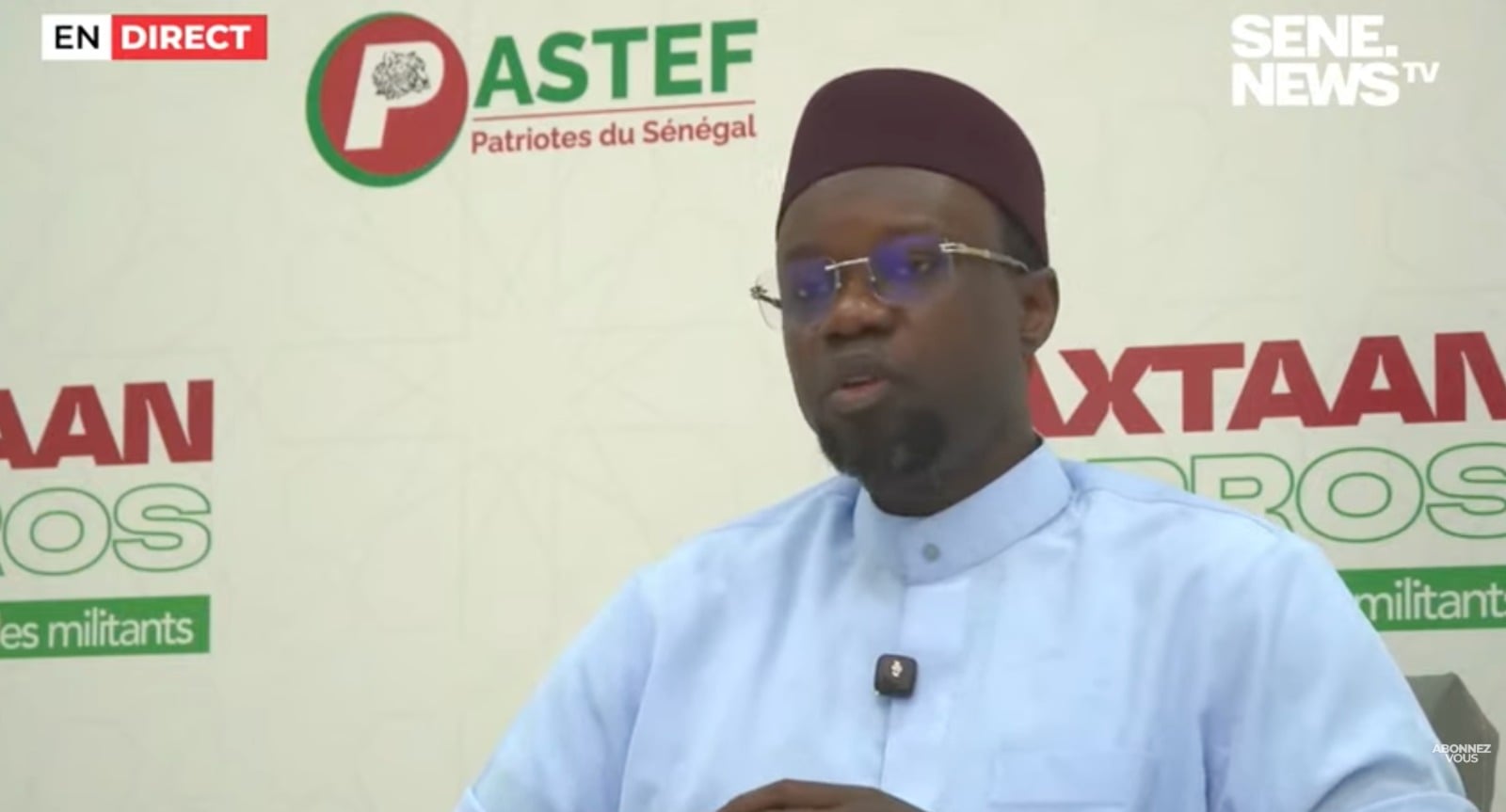
This Friday, Ousmane Sonko will address the National Assembly in a politically charged climate, following the recent amendments to the Electoral Code. The session promises to be highly charged, with opposition lawmakers contesting reforms they argue could reshape Senegal’s electoral landscape.
Ousmane Sonko is set to deliver his remarks during the customary session of Questions to the Government, scheduled for May 22, 2026. The timing is critical, coming on the heels of the adoption and enactment of amendments to Articles L.29 and L.30 of the Electoral Code. These changes have ignited fierce debate, particularly regarding their implications for political eligibility and civil rights in Senegal.
The Prime Minister’s appearance at the Assembly reflects a post-legislative environment fraught with tension. The reforms have drawn sharp criticism from opposition figures, who argue the changes were pushed through unilaterally, undermining the integrity of the electoral framework. As the government prepares to justify its stance, the stakes are high, with lawmakers expected to scrutinize the legal coherence and legitimacy of the new provisions.
While the official agenda includes pressing national issues such as the economy, security, and social welfare, the debate over the amended electoral articles is poised to dominate discussions. The opposition is expected to challenge the government on how these reforms could influence upcoming elections, raising questions about fairness and transparency.
Economic and social backdrop
Beyond the political storm, this session unfolds against a backdrop of economic uncertainty. The tensions surrounding the electoral reforms intersect with broader concerns about social demands and the country’s economic attractiveness. The government faces the dual challenge of reassuring stakeholders while navigating a volatile international landscape, including geopolitical tensions in the Middle East.
In this context, authorities must emphasize that the reforms do not compromise institutional stability or investor confidence. Demonstrating a commitment to continuity and economic resilience will be essential in maintaining the country’s appeal to both domestic and foreign investors.