Ebola outbreak in DRC: 550 confirmed cases, 101 deaths as Ituri remains epicentre
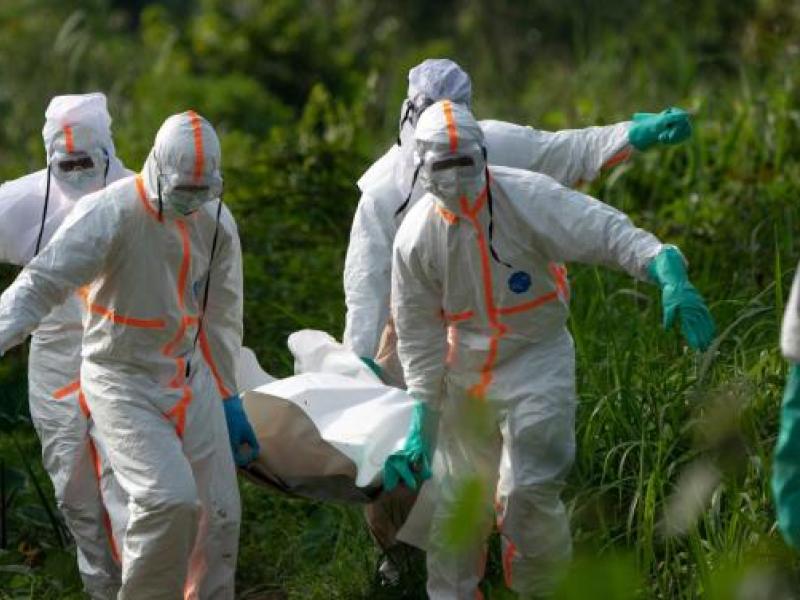
The Ebola virus disease outbreak, caused by the Bundibugyo strain, continues to spread across eastern Democratic Republic of Congo. The National Institute of Public Health (INSP) reports that the provinces of Ituri, North Kivu, and South Kivu now account for 550 laboratory-confirmed infections, including 101 fatalities.
As of June 6, data show 27 new confirmed cases were recorded within a 24-hour period, underscoring ongoing transmission in multiple affected zones. Currently, 283 patients are either hospitalised or in isolation.
With 91 deaths among confirmed cases, the overall case fatality rate stands at 17.7%, according to health authorities. They note that some figures are still being reconciled.
Ituri province hardest hit
Geographic analysis confirms that Ituri remains the centre of the health crisis. Of the 25 affected health zones, 17 are located in this province—nearly half of Ituri’s 36 health zones.
The affected zones include Aru, Aungba, Bambu, Bunia, Damas, Gety, Kilo, Komanda, Lita, Logo, Mambasa, Mangala, Mongbwalu, Nizi, Nyankunde, Rimba, and Rwampara.
This wide geographic spread highlights the virus’s persistent circulation across several territories, despite surveillance and awareness efforts by response teams.
Active hotspots in North Kivu and South Kivu
Beyond Ituri, several health zones in North Kivu and South Kivu continue to record cases. The Katwa health zone remains the most active hotspot with 11 confirmed cases and 8 deaths, followed by Beni (5 cases, 3 deaths), Butembo (4 cases, 2 deaths), Miti-Murhesa (3 cases, 1 death), Oïcha (2 cases, 2 deaths), Kalunguta (1 case, 1 death), Kyondo (1 case, 0 deaths), and Goma (1 case, 0 deaths).
Despite the outbreak’s progression, health teams report some progress. Three confirmed patients have recently been declared recovered. Two were discharged from treatment centres in Bunia, while one was allowed to return home in the Katwa health zone.
The INSP says interventions continue across all affected areas, with a focus on infection prevention in healthcare facilities, contact tracing, and community sensitisation.
Health authorities believe that strengthening community trust, early case detection, and adherence to preventive measures remain key to breaking the chains of transmission in the coming weeks.