Drc’s peaceful ‘ville morte’: a milestone for democracy
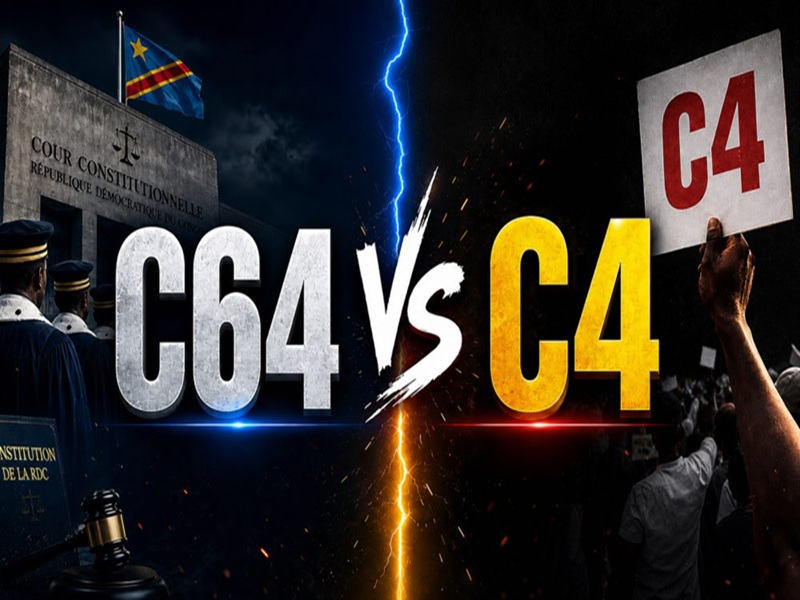
The political history of the Democratic Republic of the Congo has too often been marked by tragic and predictable scenarios: at every call for protest, Kinshasa holds its breath under tear gas, the rattle of live bullets, and the threat of looting. Yet the recent ‘Ville morte’ operation of 3 June 2026 has shattered that fatalism. Beyond partisan divides and sterile score‑keeping, the evidence is clear and deserves strong recognition: non‑violence prevailed, marking a spectacular step forward for our young democracy.
Zero deaths, zero injuries, not a single act of vandalism. This absence of bloodshed and fury is no coincidence; it reflects two major simultaneous evolutions.
On one side, it demonstrates the restraint and sense of responsibility of the government. The institutions rose to the most complex challenge of a rule‑of‑law state: guaranteeing public order without stifling fundamental freedoms. On the other side, it reveals a Congolese people who now refuse to be sacrificial fuel for political ambitions, wisely balancing the expression of discontent with the urgent need for daily economic survival.
The real highlight of the day was the striking coexistence of freedoms. Opposition figures Martin Fayulu and Moïse Katumbi—at least the only ones I could hear on the airwaves—freely called for a citizen boycott without their voices being silenced by censorship. Meanwhile, the state, through a clear statement from Deputy Prime Minister and Minister of Public Service Jean-Pierre Lihau, relayed across all ministries, reminded everyone of the duty to ensure continuity of public services. What did we see on the ground? A democracy alive, active, and plural.
While some chose to stay calmly at home, others went about their business freely. The ultimate symbol of this new tolerance: the normal operation of the Faden House hotel, an establishment associated with one of the leading opposition figures, proving that Kinshasa has moved beyond petty reprisals or political targeting. Those who wanted to express themselves by staying home did so; those who wanted to boycott the ‘Ville morte’ by working also did so. Shop windows remained intact, and everyone’s rights were respected.
I conclude that in a democracy, victory is measured not only by the number of lowered shutters or burnt tires. It is also measured by a system’s ability to allow disagreement without descending into chaos. By simultaneously ensuring the safety of all, the freedom to protest, and the right to work, the DRC has shown that it is no longer a playground for amateur sorcerers, but a nation rising through debate and mutual respect.
Words fly away, they say, but these facts remain. For once, without triumphalism but with legitimate pride, let us say it loud and clear: long live democracy!