Drc churches split over Tshisekedi’s constitutional reform plan
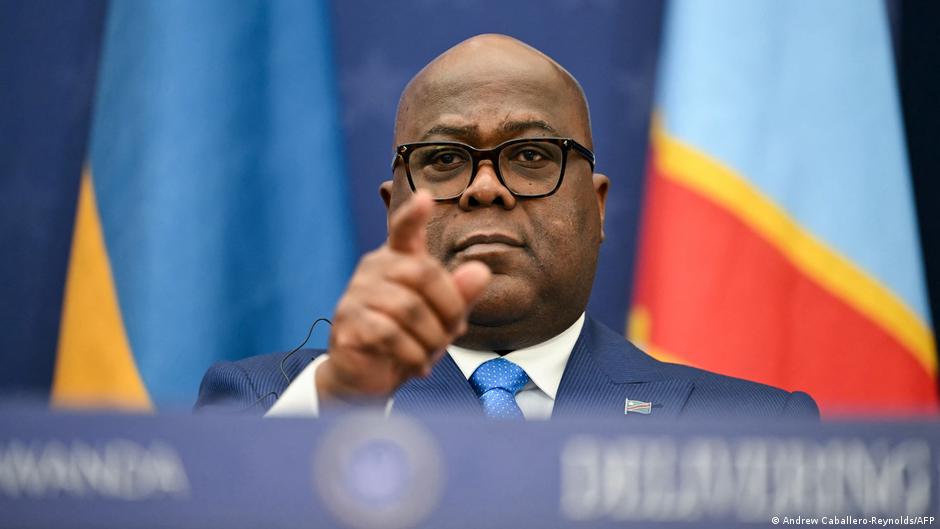
The constitutional reform project championed by the government in the Democratic Republic of Congo continues to fuel debate. While revival churches back the initiative, the Catholic Church urges caution and the preservation of democratic gains.
This split comes as the constitutional revision process reaches a new milestone with national deputies adopting the referendum bill.
Revival churches back the reform
Revival churches align with the authorities’ view that the 2006 Constitution no longer meets the country’s institutional realities.
Archbishop Evariste Ejiba Yamampia, head of revival churches in Congo, believes this reform could enhance governance and national development.
“It is a matter of our territorial sovereignty. It is also about governance. Thirdly, it concerns development and the well-being of our people. This will make a difference because it will allow us to properly enjoy the country’s wealth. We can eliminate budget-consuming entities.”
Catholic Church calls to preserve democratic achievements
The National Episcopal Conference of Congo (CENCO) has yet to take an official stance. However, the Council of the Apostolate of Catholic Laity in Congo (CALCC) recalls the Catholic Church’s commitment to the current Constitution, seen as the bedrock of the young Congolese democracy.
“The Church has always maintained that the current Constitution is the foundation of our young democracy. The Church has also always called for dialogue and wisdom. The Catholic Church has consistently reminded those in power that authority is a service. I also acknowledge that the Church has always reminded us, Catholic laypeople and all people of goodwill living in the DRC, to exercise citizen vigilance.”
Reform contested by opposition
Beyond the religious divide, the reform project is also fueling political tensions. The opposition accuses President Félix Tshisekedi of seeking to change institutional rules to his advantage.
The Article 64 Coalition, which condemns a ‘constitutional coup,’ was set to file a complaint on Tuesday. It ultimately postponed this action to focus on a sit-in planned for Friday outside Parliament.
As the referendum looms, the debate over constitutional reform appears more polarized than ever, between those who favor institutional adaptation and defenders of the democratic framework established by the 2006 Constitution.