Dissolution of civil society groups in Burkina Faso sparks global concern
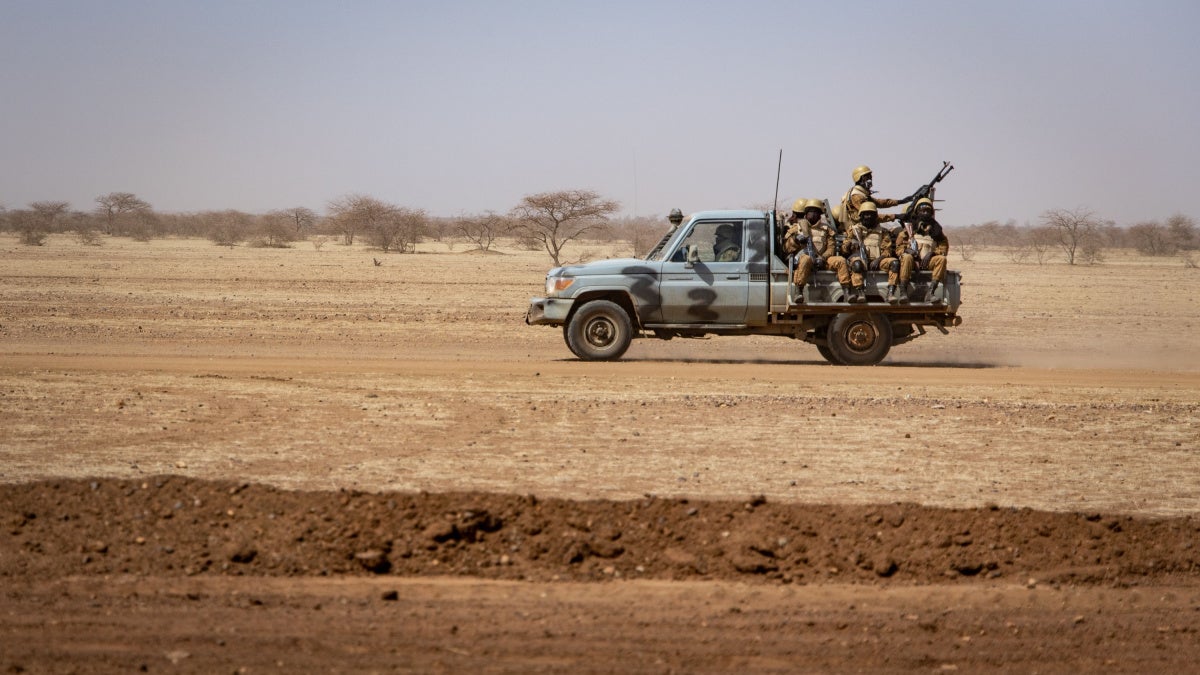
Burkina Faso’s military government tightens grip on civil society
The military-led authorities in Burkina Faso are escalating their crackdown on civil society through restrictive laws, administrative pressures, and punitive measures targeting both local and international organizations, according to findings by human rights groups. The junta has been urged to immediately halt its repression of independent voices and humanitarian entities while upholding fundamental rights and freedoms.
On April 15, 2026, the Minister of Territorial Administration and Decentralization announced the dissolution of 118 civil society groups—many of which focus on human rights advocacy—under the pretext of non-compliance with the July 2025 Association Law. However, authorities provided no concrete evidence, merely citing vague references to alleged violations.
« The mass dissolution of civil society organizations is the latest move by Burkina Faso’s junta to silence dissent and evade scrutiny over its human rights record », said Binta Sidibé Gascon, Chair of Kisal Observatory. This decision deepens a climate of fear that stifles independent civic engagement. »
a broader pattern of suppression
The crackdown reflects a systematic effort that intensified after the military seized power in September 2022. Since then, authorities have systematically targeted NGOs, independent media, human rights defenders, and peaceful dissidents, progressively shrinking civic space. Dozens of local and international organizations—including Action des Chrétiens contre la Torture (ACAT) and the Burkinabè Coalition for Women’s Rights (CBDF)—have faced suspensions, bans, or expulsions based on vague administrative grounds or in retaliation for criticism.
Human rights workers have been arbitrarily detained, forcibly disappeared, or illegally conscripted into the military. Some have been accused of espionage or treason after collecting and sharing security-related data with foreign entities. The junta has also expelled high-profile international officials, such as the UN’s top representative in Burkina Faso, Carol Flore-Smereczniak, in August 2025, following a UN report on child rights violations.
new laws amplify government control
The July 2025 Association Law, marketed as a tool to combat money laundering and terrorist financing, has granted authorities sweeping oversight of non-profits. Key provisions include:
- Mandatory leadership roles for Burkinabè nationals in foreign NGOs, exposing them to risks of coercion or retaliation.
- A « statistical visa » requirement for conducting research or surveys, creating bureaucratic hurdles that delay or obstruct independent data collection.
- Citizenship revocation powers under the September 2025 Family Code, allowing the state to strip nationality from individuals deemed to act against national interests, raising concerns about statelessness.
These measures follow threats made in April 2026, when the government declared its intention to take « firm action » against what it labeled « imperialist NGOs disguised as humanitarian groups » in response to a Human Rights Watch report documenting war crimes and crimes against humanity by all parties in the conflict since 2023.
escalating repression amid security crisis
Since 2015, Burkina Faso has battled armed groups linked to Al-Qaeda and the Islamic State, exacerbating an already dire humanitarian and security situation. The junta’s repression has further constrained aid delivery, with over 70 humanitarian workers—mostly Burkinabè—detained since 2022. In one case, eight staff members of the International Safety Organization (INSO) were held for months on espionage charges before their eventual release in December 2025.
The April 2023 General Mobilization Decree, initially intended as an emergency measure against Islamist insurgencies, has been weaponized to target critics, including journalists, activists, and judicial personnel. At least six journalists and three activists forcibly conscripted into the military have since been released, while others remain missing—including investigative journalist Serge Oulon, feared forcibly disappeared.
international law and calls for accountability
Under international human rights law, freedom of expression and association are protected rights. Restrictions must be necessary, proportionate, and non-discriminatory—criteria the junta’s actions and the 2025 law blatantly fail to meet, according to human rights organizations.
« A vibrant civil society serves as a check on power and amplifies the voices of marginalized communities », said Drissa Traoré, Secretary-General of the International Federation for Human Rights (FIDH). The Burkinabè authorities must allow civil society to operate freely and safeguard the fundamental rights of all citizens. »