Côte d’Ivoire dissolves electoral commission: key questions and stakes
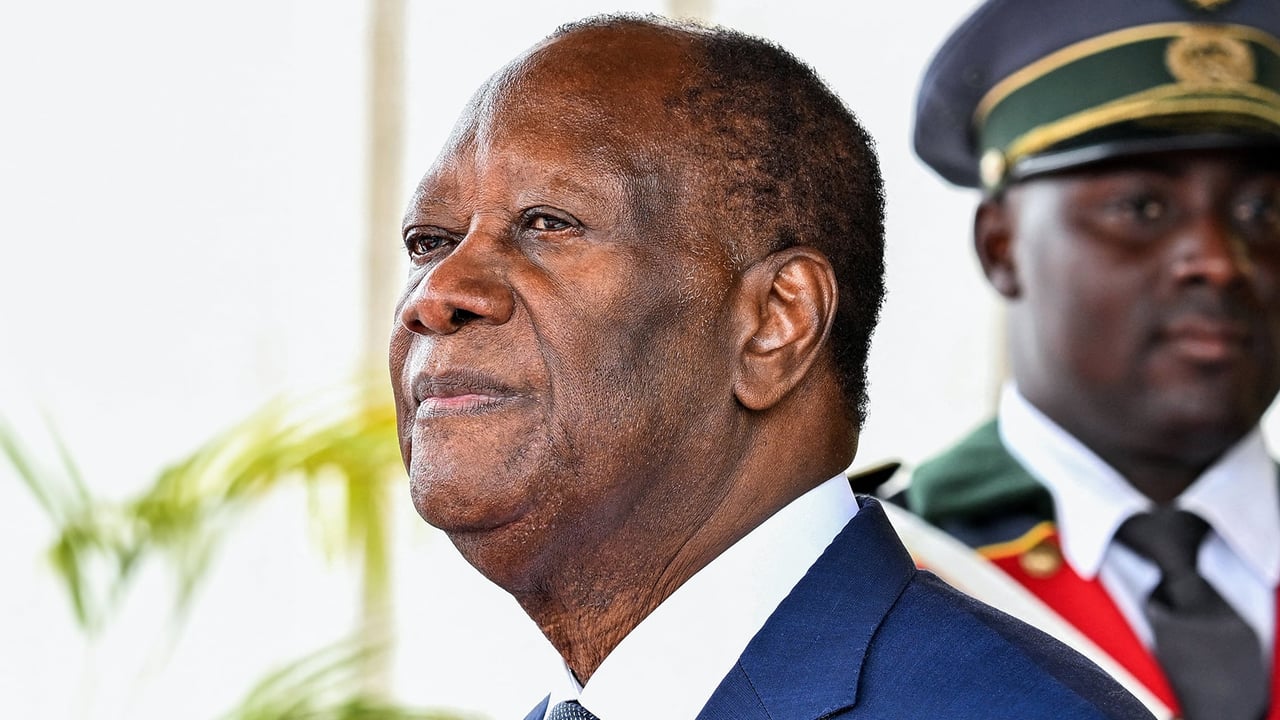
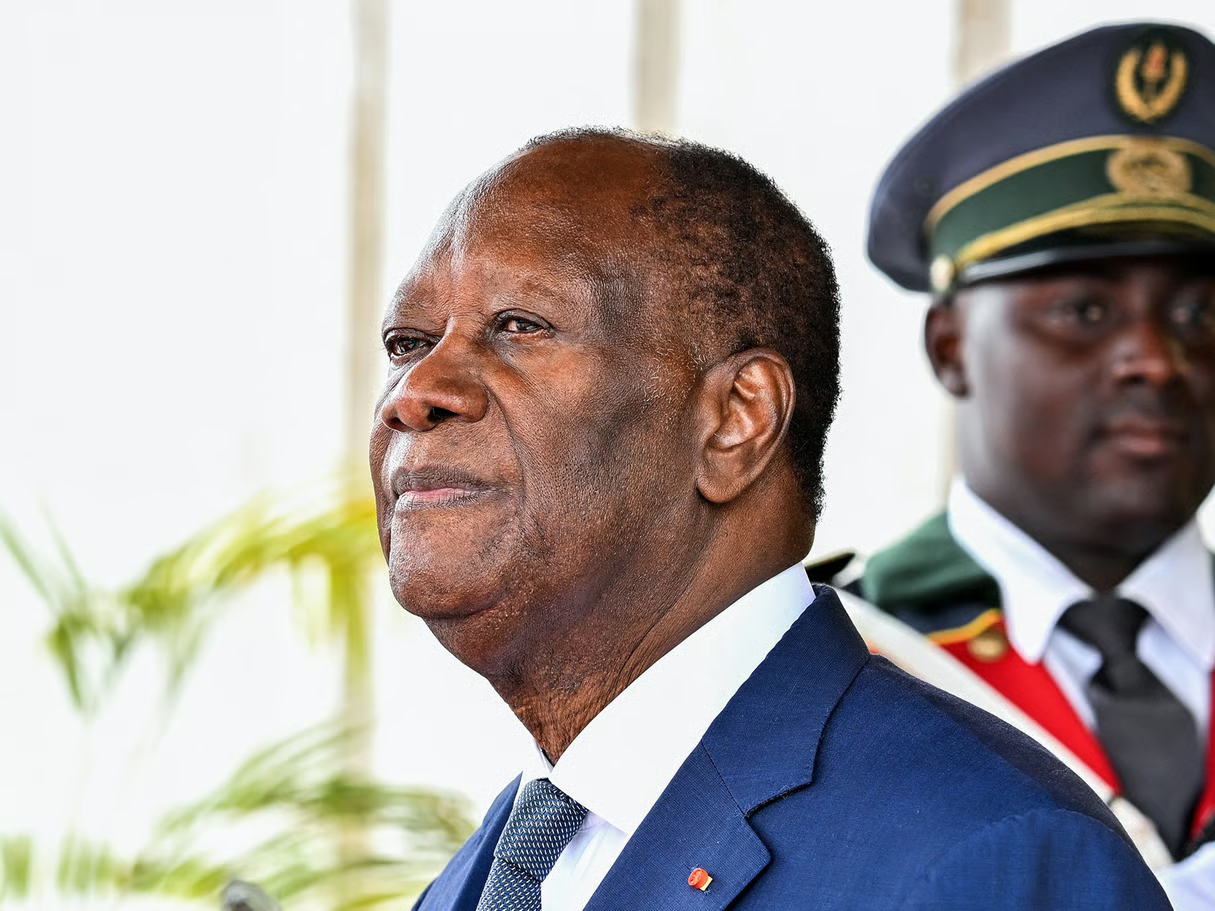
The dissolution of Côte d’Ivoire’s Independent Electoral Commission (CEI) has sent shockwaves through the political landscape. On May 6, government spokesperson Amadou Coulibaly announced the drastic measure, declaring that « a new era is beginning » and vowing to ensure « lasting peaceful elections » in the country.
Why was the CEI dissolved?
The decision follows months of escalating tensions between the executive branch and opposition groups. The CEI had become a contentious focal point, repeatedly criticized by opposition figures for alleged bias in favor of the ruling party. Accusations of manipulation and lack of transparency in electoral processes had fueled distrust among political stakeholders.
Government officials framed the dissolution as a necessary step to « restore credibility » to electoral institutions. « The objective is to rebuild trust and ensure elections are conducted smoothly, » Coulibaly stated.
What happens next?
The dissolution triggers a 90-day transition period for a new commission to be formed. During this time, electoral reforms are expected to be implemented to address past grievances. Key discussions will likely revolve around:
- Composition of the new CEI: Ensuring balanced representation between government and opposition stakeholders.
- Electoral oversight: Strengthening mechanisms to prevent fraud and ensure transparency.
- Legal framework: Reviewing laws governing elections to close loopholes exploited in past votes.
Who supports and opposes the move?
While the government presents the dissolution as a reform, opposition parties remain skeptical. Many view it as a political maneuver rather than a genuine effort to democratize the process. Civil society groups have called for inclusive consultations during the transition to avoid repeating past mistakes.
President Alassane Ouattara’s administration insists the move is essential for stability. « Côte d’Ivoire deserves credible elections, » a senior official noted. However, critics argue that without broader consensus on reforms, the dissolution could deepen divisions.
What are the risks?
The dissolution introduces significant uncertainties. Key risks include:
- Delayed elections: A drawn-out transition could push back scheduled votes, creating a constitutional vacuum.
- Political instability: Opposition groups may intensify protests or boycott elections if their demands aren’t met.
- International scrutiny: Observers and partners may question the transparency of the new commission’s formation.
The coming months will be decisive. Côte d’Ivoire stands at a crossroads—whether the dissolution of the CEI heralds a new chapter of democratic resilience or further polarization remains to be seen.