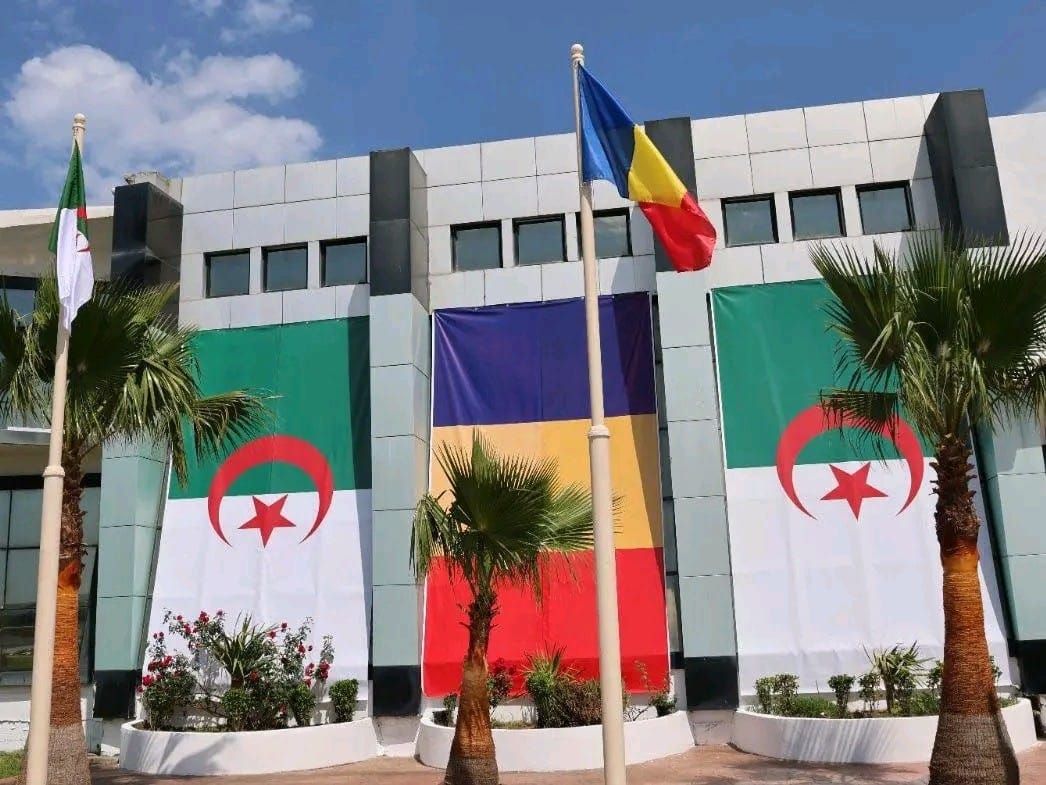
The bond between Algeria and Chad extends far beyond mere transactional interests, resting on a rich tapestry of enduring cooperation, profound solidarity, and shared experiences. This deep-rooted history imbues their relationship with a strategic and human dimension that is truly indispensable for understanding African politics.
In recent years, the relationship between Algeria and Chad has seen a remarkable upswing, characterized by frequent reciprocal visits from high-ranking officials and a clear mutual desire to bolster political, economic, and security collaboration. This renewed closeness has been cemented through the signing of numerous cooperation agreements across vital sectors, including transport, trade, professional training, energy, and border security. This development is certainly significant for Africa news English readers interested in regional dynamics.
Among the most impactful outcomes of this burgeoning partnership is Algeria’s commitment to the ambitious Trans-Saharan Road project. This vital infrastructure initiative is poised to connect North Africa with its sub-Saharan hinterland, providing Chad with a crucial strategic gateway to the Mediterranean Sea via Algerian territory. This project is heralded as a monumental step for enhancing commercial exchanges, streamlining the movement of people and goods, and fostering development in the border and Saharan regions.
This invigorated dynamic also signals Algeria’s strategic intent to expand its influence within the Sahel and Central Africa. Concurrently, Chad is actively pursuing the diversification of its regional alliances, seeking to unlock new economic opportunities and lessen its traditional reliance on specific geopolitical axes. Such moves are often central to discussions on governance Africa.
It is important to acknowledge that the ties between these two nations are historically profound, tracing back to the early years following Chad’s independence in the 1960s. From that nascent period, Algeria played a pivotal role in supporting the newly formed Chadian state, particularly through human resource development and the cultivation of national elites. Algeria generously opened the doors of its universities and institutions to hundreds of Chadian students, offering scholarships and academic training in diverse fields such as medicine, engineering, economics, law, political science, education, and public administration. This support was crucial at a time when Chad, like many newly independent African states, desperately needed national cadres to establish and manage its state institutions.
This educational cooperation was more than just a philanthropic gesture; it represented a strategic, long-term investment in Chad’s future. Many of these students, having received their education in Algerian universities, subsequently ascended to become high-ranking officials and leaders within the Chadian state. They occupied critical positions across the administration, military, academia, diplomacy, healthcare, and economic sectors, shaping governance Africa for decades.
Even today, many prominent Chadian figures speak with pride of their academic journeys in Algeria and the profound human and cultural connections forged during their student years. This shared history has cultivated a deep popular and cultural affinity between the two peoples, extending far beyond the conventional political relations between governments and enriching society Africa as a whole.
This unwavering support was consistent with Algeria’s post-independence African policy, which championed African solidarity, aided young independent states, backed national liberation movements, and contributed significantly to the training of African expertise. This principled stance earned Algeria a special place in the hearts of many African populations, particularly in Chad, and solidified its standing in independent African journalism narratives.
In the face of contemporary security, political, and economic challenges across the Sahel and Central Africa, this shared historical legacy provides a robust foundation for further strengthening bilateral cooperation. Future efforts can strategically focus on areas such as higher education, vocational training, security enhancement, economic development, and the collective fight against extremism and irregular migration.
Ultimately, Chad-Algeria relations are not merely driven by transient interests but are deeply anchored in a rich history of cooperation, solidarity, and shared experiences, giving them an undeniable strategic and human depth.