Saturday, October 3

Politics

Opposition challenges Tshisekedi’s rule in Kinshasa
Politics

Opposition challenges Tshisekedi’s rule in Kinshasa

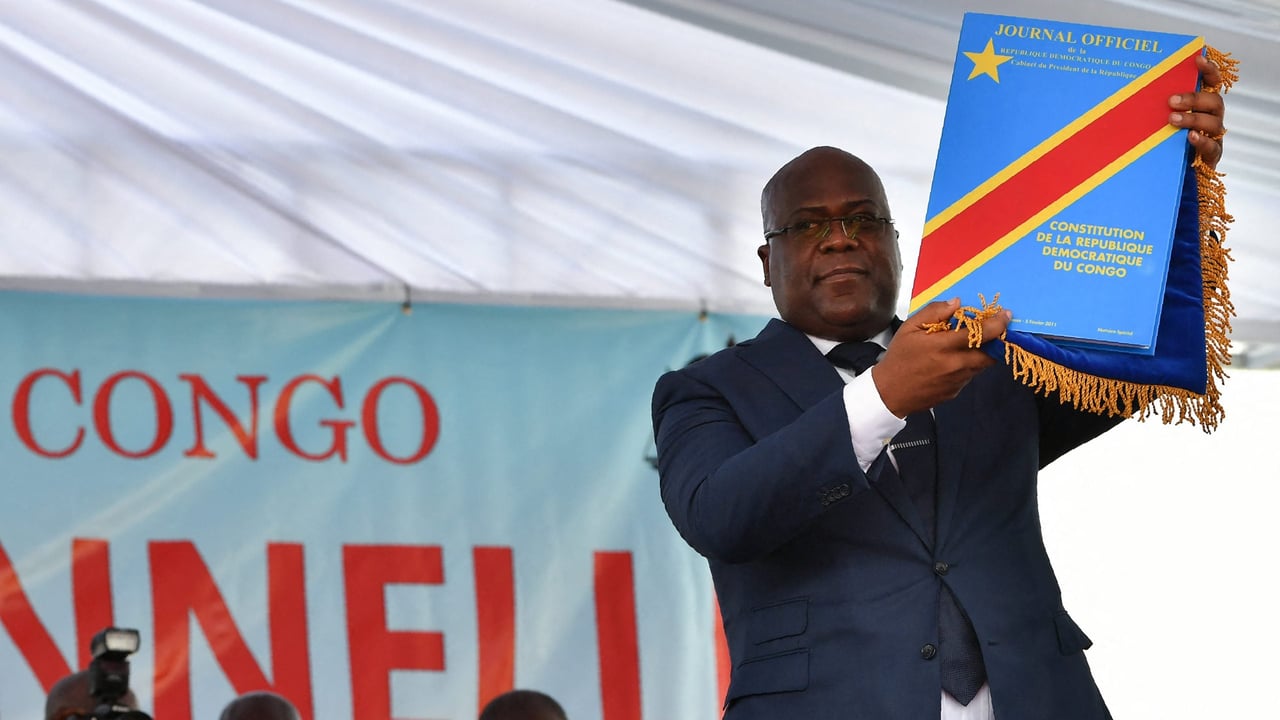
In the heart of Kinshasa, the capital of the Democratic Republic of the Congo, tensions have reached a boiling point as opposition forces rally to disrupt daily life and challenge the leadership of President Félix Tshisekedi. The move comes as a direct response to what they describe as flawed governance and a lack of transparency in the current administration. The opposition, a coalition of influential figures including Moïse Katumbi, Matata Ponyo Mapon, and Martin Fayulu, has called for widespread civil disobedience. Their strategy involves paralyzing key sectors of the city to pressure the government into addressing their demands for reforms and accountability. Opposition leaders unite against Tshisekedi's policies The alliance between these prominent opposition figures marks a signif...
Libreville under new urban vision: Oligui Nguema drives rapid city transformation
Politics

Libreville under new urban vision: Oligui Nguema drives rapid city transformation

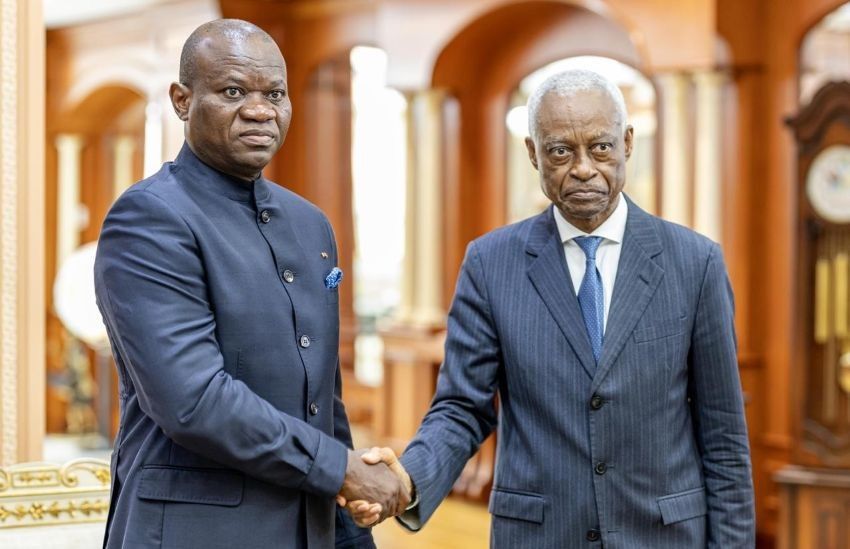
PoliticsLibreville under new urban vision: Oligui Nguema drives rapid city transformationBy Editor-in-Chief June 3, 2026 35 No commentLibreville, Wednesday, June 3, 2026 – The transformation of Gabon’s capital is entering a decisive phase under direct presidential oversight. During a meeting with Libreville’s mayor, Eugène Mba, President Brice Clotaire Oligui Nguema underscored the need for accelerated urban renewal, placing local governance at the heart of national modernization efforts.This high-level engagement signals a strategic shift: the State is tightening coordination with municipal authorities to fast-track improvements in urban living conditions across the capital.Local governance under performance-driven scrutinyAt the center of the discussions was an update on the mayor’s prog...
Key lessons from Senegal’s new government lineup
Politics

Key lessons from Senegal’s new government lineup

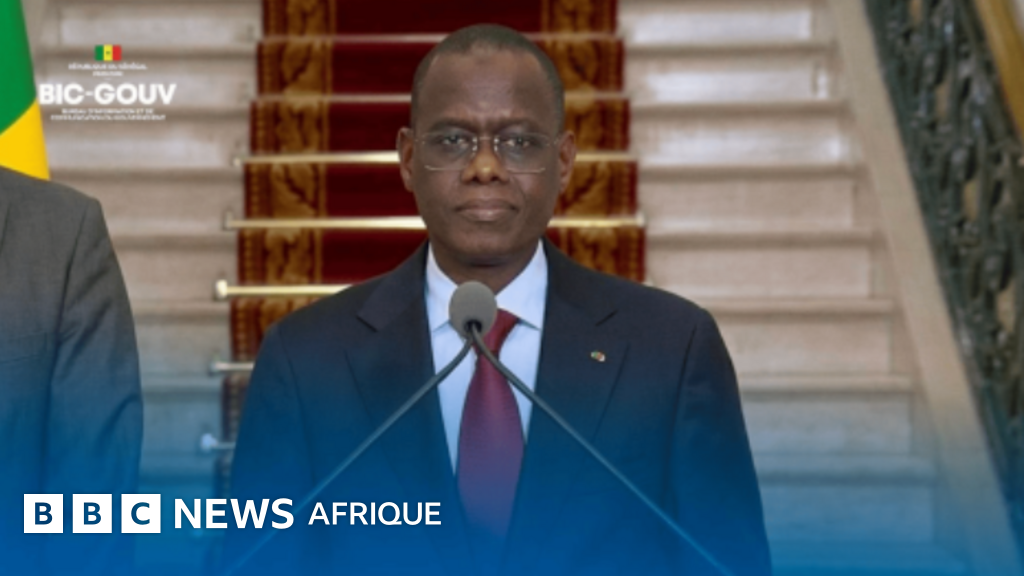
President Bassirou Diomaye Faye unveiled the composition of Senegal's new government late Monday evening, marking a significant shift in the nation's political landscape. Just ten days after dismissing former Prime Minister Ousmane Sonko, the newly appointed team now faces the monumental task of steering a country burdened by staggering debt while steadfastly rejecting any restructuring proposals. The government, led by Prime Minister Ahmadou Al Amine Mohamed Lo, comprises 30 members—26 ministers and four deputy ministers. Notably, the team includes only four women, none of whom hold sovereign portfolios, signaling a persistent underrepresentation in critical governance roles. The new administration faces immediate challenges, including a parliamentary majority that remains unconvinced b...
Central african republic gold exports to dubai: rising concerns over state assets
Politics

Central african republic gold exports to dubai: rising concerns over state assets

Central African Republic's gold exports to Dubai: economic impact and governance questions As debates intensify over the management of national resources, a critical question emerges: where does the revenue from gold exports to Dubai truly belong? The case of Cameroon’s reported losses over five years has cast a spotlight on similar practices in the Central African Republic. Are public assets being treated as private commodities, and who ultimately benefits? Gold exports to Dubai: a regional trend with hidden costs Gold extraction and export have become a major economic activity in several African nations, with Dubai serving as a key hub for international trade. However, the lack of transparency in these transactions raises concerns about revenue allocation and potential mismanagement. ...
Côte d’Ivoire politics: how PDCI leaders are rebuilding party unity
Politics

Côte d’Ivoire politics: how PDCI leaders are rebuilding party unity

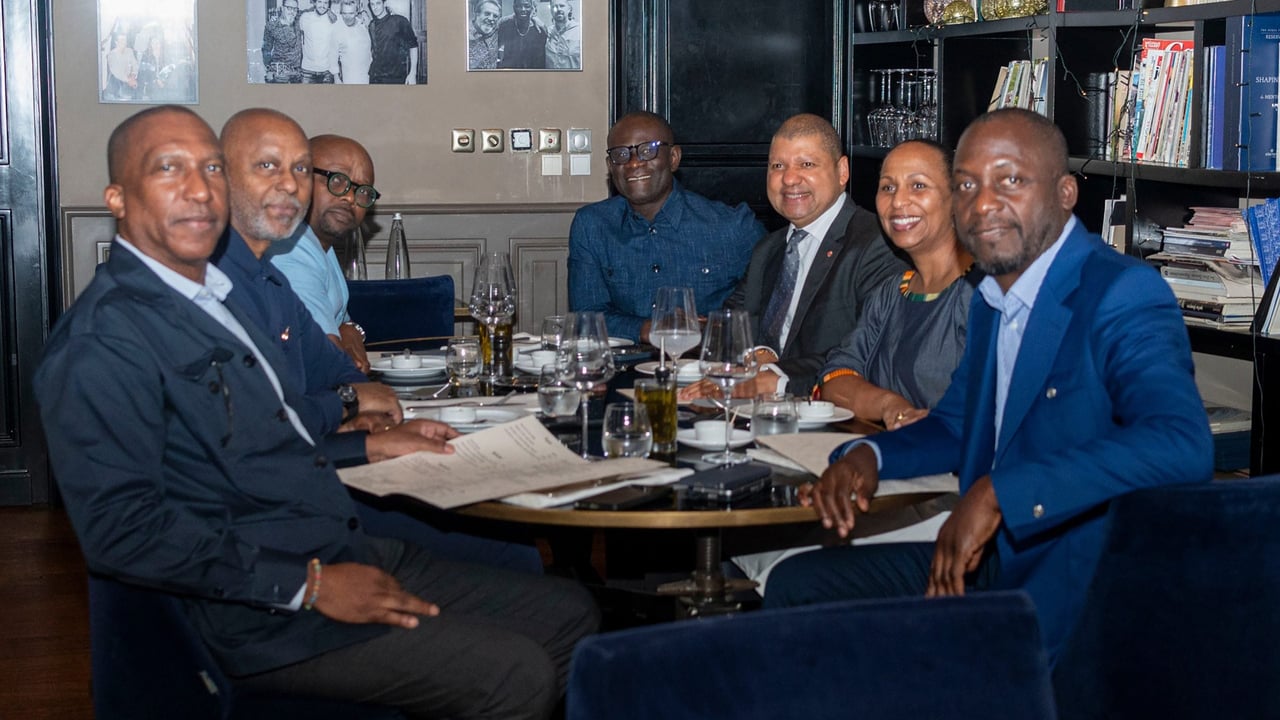
Published today at 7:10 PM Reading time: 3 minutes. File generated on Read in the app Alain Aka Correspondent in Côte d'Ivoire Jean-Louis Billon Jean-Marc Yacé Parti Démocratique de Côte d'Ivoire (PDCI) Behind closed doors: Côte d'Ivoire’s PDCI faces internal fractures The Parti Démocratique de Côte d'Ivoire (PDCI) is at a crossroads. Internal divisions have left the party struggling to maintain cohesion, and recent high-level meetings suggest urgent efforts to rebuild unity. Figures like Jean-Louis Billon and Jean-Marc Yacé are at the center of these discussions, working to brid...
Ousmane Sonko’s presidency: promises unmet and governance failures exposed
Politics

Ousmane Sonko’s presidency: promises unmet and governance failures exposed

For years, he embodied hope for radical change, positioning himself as the long-awaited savior of Senegal, a political figure destined to dismantle entrenched corruption. Yet, two years into his leadership, reality has starkly contrasted with his lofty rhetoric. Two years of governance: an empty record Governance is not about fiery speeches—it demands action. After 24 months in power, systemic reforms remain elusive. Economic missteps, stalled structural initiatives, and stagnant social indicators paint a bleak picture of a government struggling to deliver on its core promises. Where citizens anticipated tangible solutions for rising living costs, youth employment, and economic revival, they encountered short-term fixes and inconsistent policies. This managerial incompetence underscores...
Human rights in DR Congo: Paul Nsapu differentiates between structural issues in Kinshasa and atrocities in the east
Politics

Human rights in DR Congo: Paul Nsapu differentiates between structural issues in Kinshasa and atrocities in the east

During a recent evaluation of the state of human rights in the République Démocratique du Congo, Paul Nsapu, the head of the National Human Rights Commission (CNDH), provided a detailed analysis of the progress and challenges under the current administration. While he noted that there have been certain legislative improvements, he emphasized a profound divide between the types of abuses occurring in different parts of the country. Structural failures in Kinshasa and government-controlled zones In territories under the direct administration of the capital, Nsapu pointed to persistent structural failures. These include the erosion of civil and political rights, alongside economic and social deficiencies. He specifically identified the right to employment, access to healthcare, and the...
Gabon: opposition leader Bilie By Nze remains in detention amid legal controversy
Politics

Gabon: opposition leader Bilie By Nze remains in detention amid legal controversy

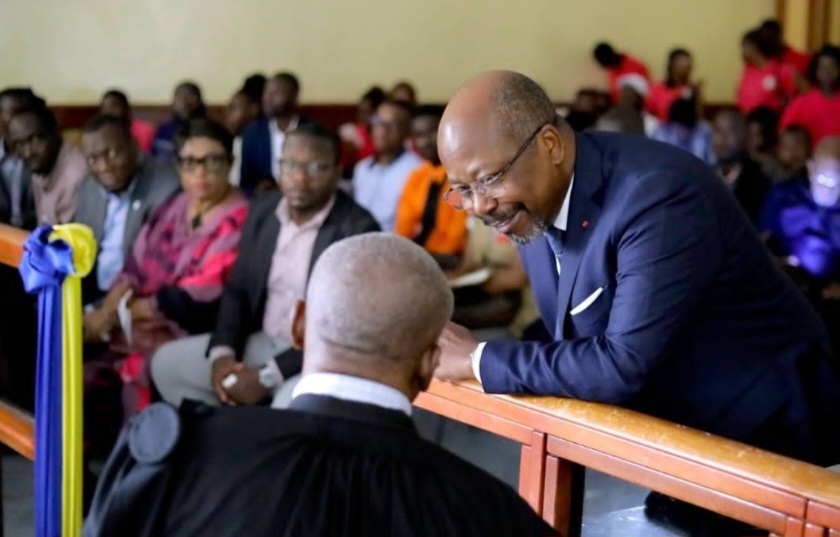
Politics Gabon: opposition leader Bilie By Nze remains in detention amid legal controversy By Chief Editor June 3, 2026 81 No comment Libreville, June 3, 2026 – The continued detention of Alain-Claude Bilie By Nze, former Prime Minister and prominent opposition figure in Gabon, has intensified debates over judicial independence and procedural fairness in the country’s l...
Morocco’s dam strategy under King Mohammed VI drives water sovereignty
Politics

Morocco’s dam strategy under King Mohammed VI drives water sovereignty

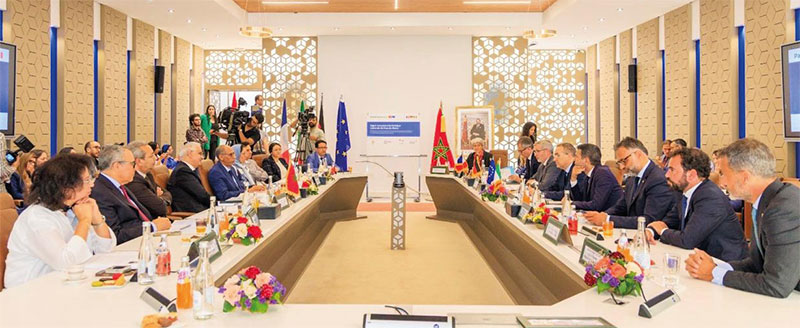
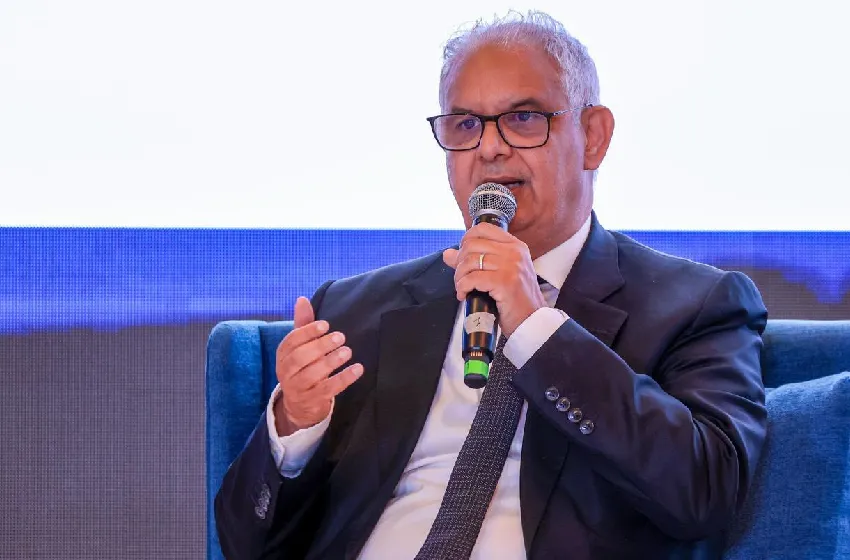
Morocco's dam strategy under King Mohammed VI drives water sovereignty Morocco, guided by His Majesty King Mohammed VI, has transformed its dam infrastructure into a cornerstone of national water sovereignty, establishing a robust hydric heritage, announced Minister of Equipment and Water Nizar Baraka in Rabat. By the end of 2026, the Kingdom will boast 156 major dams with a combined capacity of 20.8 billion cubic meters, alongside 14 additional projects under construction. This progress reflects the proactive vision of the Monarch, fostering national expertise in hydraulic engineering, technical studies, civil engineering, and water infrastructure management. Resilience and strategic water security The nation's hydric assets play a pivotal role in ensuring territorial and population-wi...
Gabon’s Oligui Nguema charts bold economic and political course
Politics

Gabon’s Oligui Nguema charts bold economic and political course

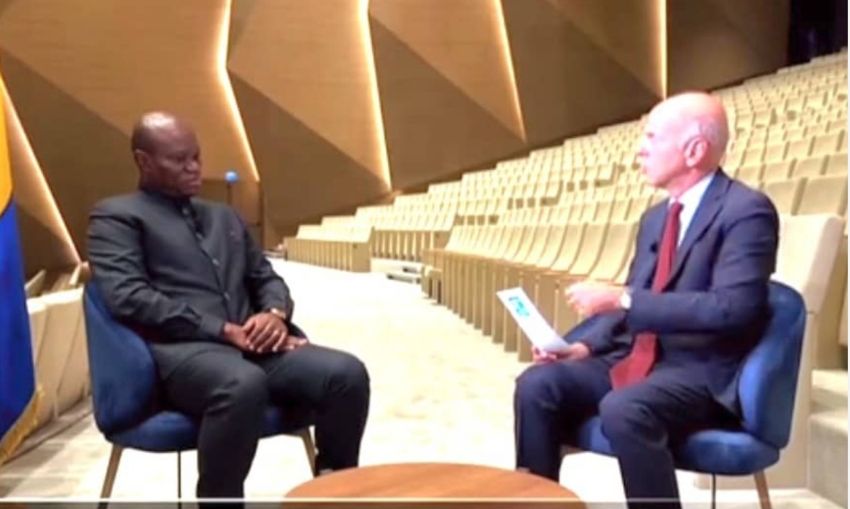
Libreville, June 3, 2026 — President Brice Clotaire Oligui Nguema has used a high-profile interview to outline Gabon’s strategic direction, emphasizing economic sovereignty, progressive reforms, and a commitment to democratic governance free from dynastic rule. Reforms rooted in long-term vision Addressing criticisms about the pace of infrastructure development, particularly in water and electricity access, Oligui Nguema defended his administration’s multi-year timeline. With over 800 billion CFA francs invested in energy projects, he underscored that meaningful change requires patience, framing his seven-year mandate as a marathon rather than a sprint. The president acknowledged public frustrations but insisted that structural transformation—rather than quick fixes—will define ...