Ousmane Sonko’s controversial remarks on France-Sénégal football ignite identity debate
Ahead of the highly anticipated France–Sénégal football clash, a statement from Ousmane Sonko has reignited a discussion many believed was confined to the fringes of identity politics. By declaring that “whatever the winner, Africa will have beaten Africa,” the President of the Senegalese National Assembly inadvertently resurrected an old controversy: the practice of reducing Black players in the French national team to their familial origins rather than acknowledging their French nationality. This narrative, historically championed by figures like Jean-Marie Le Pen, Éric Zemmour, and certain Argentinian football fans, now raises significant questions when echoed by a leading political figure in Sénégal.
- Racisme
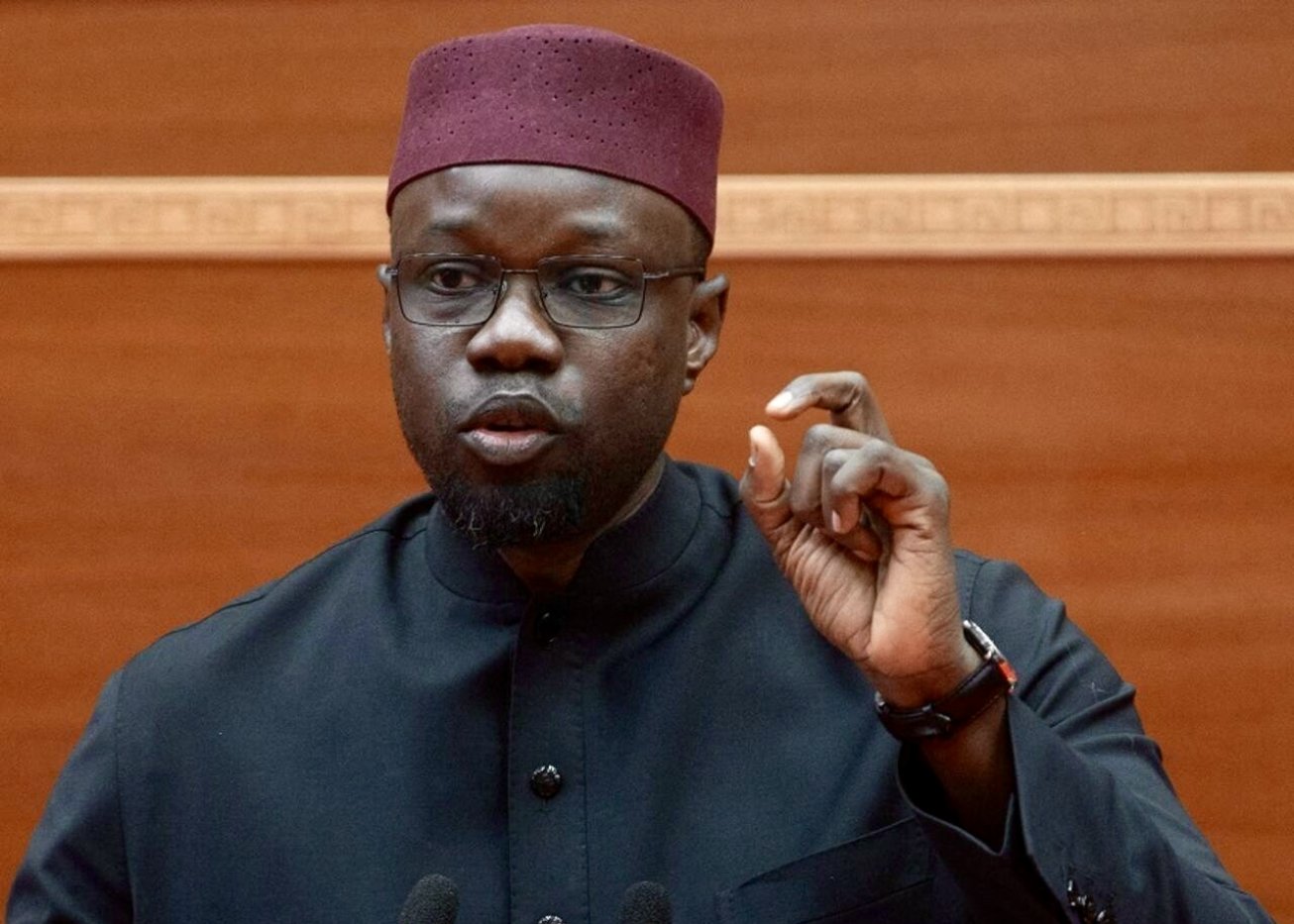
“Whatever the winner, Africa will have beaten Africa.” Uttered on the eve of the France-Sénégal World Cup match, Ousmane Sonko’s declaration was perceived by some as a straightforward pan-Africanist sentiment. However, this phrase carries an underlying notion that has, for decades, fueled some of the most contested identity discourses: the idea that Black players on the French national team are primarily African, and only secondarily French.
The question demands a clear answer: who exactly are we discussing?
The French squad competing in this World Cup is composed of French citizens. Most were born in France. Kylian Mbappé was born in Paris. Ousmane Dembélé in Vernon. Aurélien Tchouaméni in Rouen. William Saliba in Bondy. Dayot Upamecano in Évreux. Ibrahima Konaté in Paris. Rayan Cherki in Lyon. Bradley Barcola in Villeurbanne. Désiré Doué in Angers. Warren Zaïre-Emery in Montreuil. These players grew up in France, attended French schools, were mentored by French educators, and learned football in French clubs. They progressed through French training centers before donning the jerseys of youth selections and ultimately the national team. They are a product of a French sports system, funded, structured, and developed within France.
Moreover, France extends beyond its metropolitan territory. For decades, its overseas territories have also significantly contributed to French football history. Jocelyn Angloma was born in Guadeloupe. Dimitri Payet was born in La Réunion. Other international players hail from families originating in Martinique, Guadeloupe, Guyane, or La Réunion. These territories are integral parts of the French Republic. Their children are French, just like those born in Paris, Lyon, or Marseille. To suggest that a French victory constitutes an African victory is to imply that these players are defined primarily by their parents’ or grandparents’ origins, rather than by their nationality, their journey, or their commitment to wearing the French jersey.
This line of reasoning is not new.
As early as 1996, Jean-Marie Le Pen launched attacks against the French national team. He denounced a selection he deemed composed of “naturalized foreign players” and criticized certain international players for not singing the Marseillaise. “Other teams sing their national anthem (…) the French do not because they don’t know it,” he asserted at the time. These remarks sparked a wave of indignation across the country. Aimé Jacquet famously refused to engage in the controversy, simply stating that the blue jersey was “very well defended.” Captain Didier Deschamps dismissed these attacks: “Le Pen is talking nonsense.” Then-Prime Minister Alain Juppé publicly expressed his support for Les Bleus: “After these unworthy remarks, I want to say that we are proud of the players and that, by their way of holding our country’s flag high, they contribute to giving a certain idea of France.”
The debate could have ended there, yet it has persisted through the decades.
Éric Zemmour, who has been repeatedly convicted by French courts for discriminatory remarks or incitement to hatred, has consistently challenged the composition of the French team. In his view, the significant presence of Black players reflects a transformation of national identity. While the discourse sometimes changes form, the core idea remains the same: some French citizens are considered less French than others due to their origins. Following France’s victory over Argentina in the 2018 World Cup, and after the 2022 final in Qatar won by the Albiceleste, a segment of Argentinian supporters amplified chants asserting that the French team was an African team, not a French one. Several slogans circulated in stadiums and on social media, claiming that French players “all came from Africa.” These chants were widely condemned internationally as racist expressions that deny the national identity of French citizens based on their skin color. This context precisely highlights why Ousmane Sonko’s declaration is problematic. When a far-right activist in Europe claims that Kylian Mbappé or Aurélien Tchouaméni are not truly French, it immediately provokes widespread outrage. When a prominent African political leader, even if in a different form, reiterates this same logic, it equally warrants scrutiny. Because the message remains identical: Black players on the French team are primarily African before being French.
If Didier Deschamps were to announce tomorrow that he wished to select more white players to better represent a certain vision of France, the reactions would be immediate. Ousmane Sonko himself would probably, and rightly so, denounce a selection based on ethnic criteria. Why then accept the inverse reasoning, which attributes an African identity to French players solely on the basis of their family origins? Football does not select individuals based on their skin color. It selects the best available players. Kylian Mbappé is not chosen because he is Black. Aurélien Tchouaméni is not retained because his parents are from Africa. They wear the blue jersey because they are French and because they are among the best footballers of their generation. France has never asked its players to choose between their roots and their nationality. It has asked them to represent their country.
Ousmane Sonko is neither Jean-Marie Le Pen nor Éric Zemmour. However, by asserting that “whatever the winner, Africa will have beaten Africa,” he inadvertently adopts a reasoning that defines French players by their origins rather than their nationality. For a political leader of his stature, a former Prime Minister and President of the National Assembly of Sénégal, such a statement in the realm of African politics and governance is far from trivial. Because in the eagerness to celebrate Africa everywhere, one sometimes ends up denying the true identity of individuals: in this precise case, French citizens playing for France, because they are French.
One final question deserves consideration. During the 2002 World Cup, when Sénégal famously defeated France, twenty out of the twenty-three Lions de la Teranga played for French clubs. Several had been trained in French structures, some were born in France, and the Senegalese national team was led by a French coach, Bruno Metsu. Following Ousmane Sonko’s logic, should that victory for Sénégal also be considered, in part, a victory for France? The answer is unequivocally no. Because those players represented Sénégal. Exactly as Les Bleus represent France today. This, perhaps, is where the main limitation of the Senegalese National Assembly President’s statement lies.