Friday, October 2

Politics

African governance challenges: analyzing democracy trends across the continent
Politics

African governance challenges: analyzing democracy trends across the continent

The state of African democracy amid rising political shifts The African continent has witnessed a significant transformation in its political landscape since 2020, marked by a wave of military takeovers in nine nations. These abrupt changes have displaced democratically elected leaders, raising concerns about the stability and future of governance systems. The trend reflects deeper shifts in power dynamics, where military factions have seized control under varying pretexts, often citing instability or corruption. Challenges to democratic norms in Africa Beyond the coups, Africa’s political trajectory is increasingly diverging from Western expectations. The continent is embracing alternative governance models, often categorized as illiberal regimes, which prioritize stability over traditi...
Côte d’Ivoire’s evolving agricultural landscape and policy challenges
Politics

Côte d’Ivoire’s evolving agricultural landscape and policy challenges

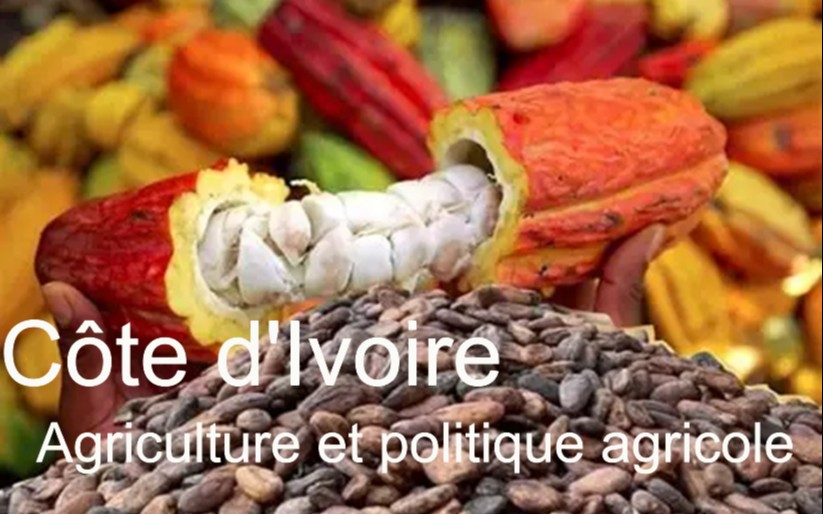
Accueil Trésor-Info Article Côte d'Ivoire - Agriculture et politique agricole Côte d'Ivoire stands out as one of West Africa's most vibrant economies, with its foundational strength rooted in agriculture. Historically, at the time of its independence, the agricultural sector contributed nearly 50% to the nation's Gross Domestic Product (GDP). While this figure saw a shift to 15.9% of GDP by 2024, the sector remains a critical employer, directly supporting 46% of the ...
Why corruption and financial crime persist in Niger despite efforts
Politics

Why corruption and financial crime persist in Niger despite efforts

Every year, Transparency International releases its Corruption Perceptions Index, a barometer of public governance worldwide. The latest report reveals a troubling trend: corruption isn’t receding—it’s spreading, even in countries with strong democratic institutions. This global pattern highlights a systemic and deeply entrenched problem that defies political regimes or economic development levels. In 2025, 122 of the 182 countries assessed scored below 50—the threshold considered high for public-sector corruption. Niger, with a score of 31, falls well short of this benchmark. Ranked 124th out of 182 nations, it slipped three places from the previous year, underscoring how corruption continues to cripple public institutions, erode legal equality, and undermine public trust in governance. ...
International bodies condemn political interference in Côte d’Ivoire journalists’ union
Politics

International bodies condemn political interference in Côte d’Ivoire journalists’ union

Media unions decry political pressure on Ivorian press organization On February 20, a judicial ruling halted the scheduled ordinary congress of the National Union of Journalists of Côte d'Ivoire (UNJCI) following a legal challenge by a group demanding strict adherence to internal regulations. In response, the UNJCI has initiated an appeal process against this suspension. With the current leadership's mandate set to expire on February 26, the organization convened an emergency extraordinary congress on February 25. This move aimed to prevent a total institutional collapse. During this assembly, members voted by a significant majority to extend existing mandates until a proper elective congress can be organized, ensuring the continuity of independent African journalism. Despite the procedura...
Mali’s anti-corruption efforts: a dip in global rankings
Politics

Mali’s anti-corruption efforts: a dip in global rankings

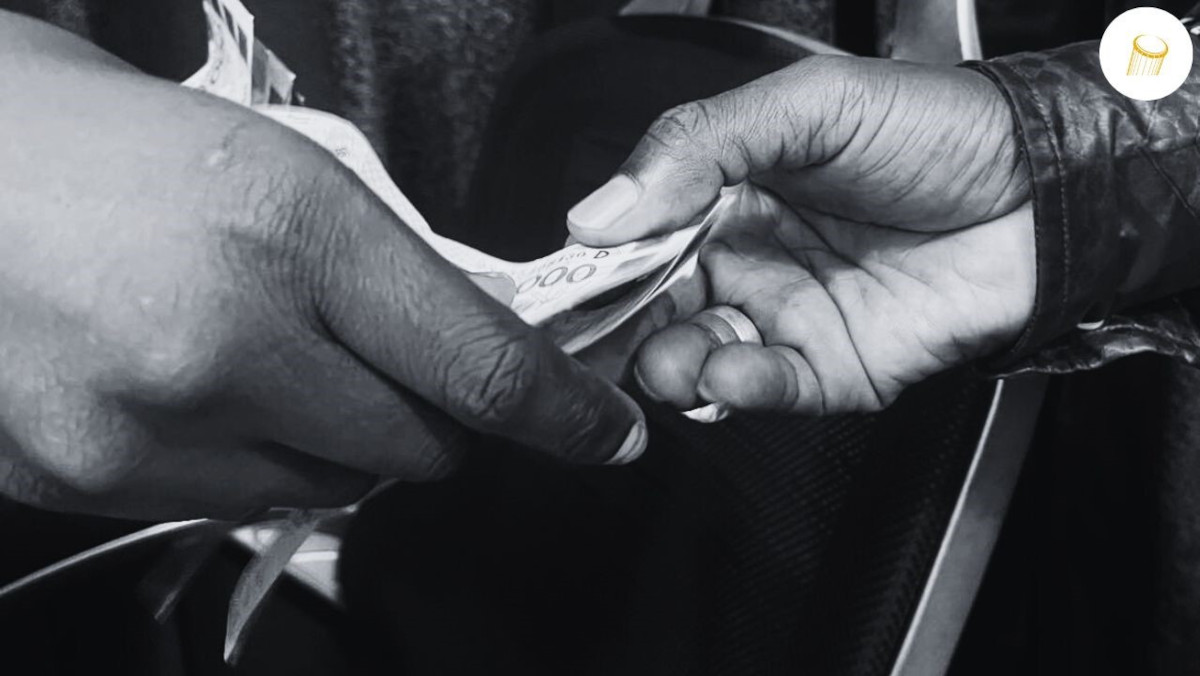
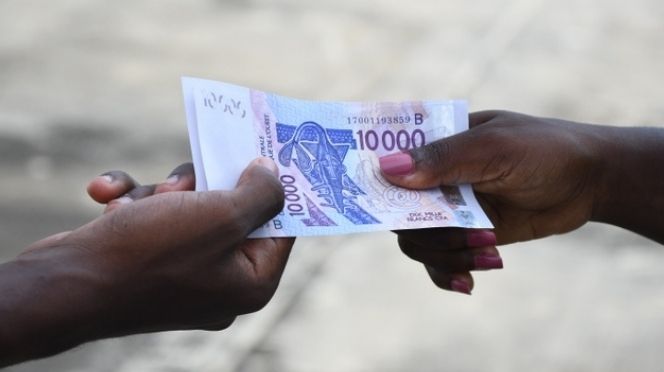
Deux personnes échangent des billets de Banque à Bamako, le 27 octobre 2023 📷 Studio Tamani/Fondation HirondelleMali's standing in Transparency International's 2025 Corruption Perception Index has experienced a setback. The West African nation now occupies the 136th position worldwide, marking a one-place decline from its previous 135th rank. This places Mali behind its regional allies, Niger and Burkina Faso, both members of the Alliance of Sahel States (AES) confederation.The Corruption Perception Index is a crucial tool designed to evaluate countries' performance in tackling corruption. For the 2025 assessment, a total of 182 nations were scrutinized. Mali achieved a score of 28 out of a possible 100, landing it at the 136th spot. This slight regression occurs despite various efforts by...
Tchad’s 2026 human rights landscape: political repression and social unrest intensify
Politics

Tchad’s 2026 human rights landscape: political repression and social unrest intensify

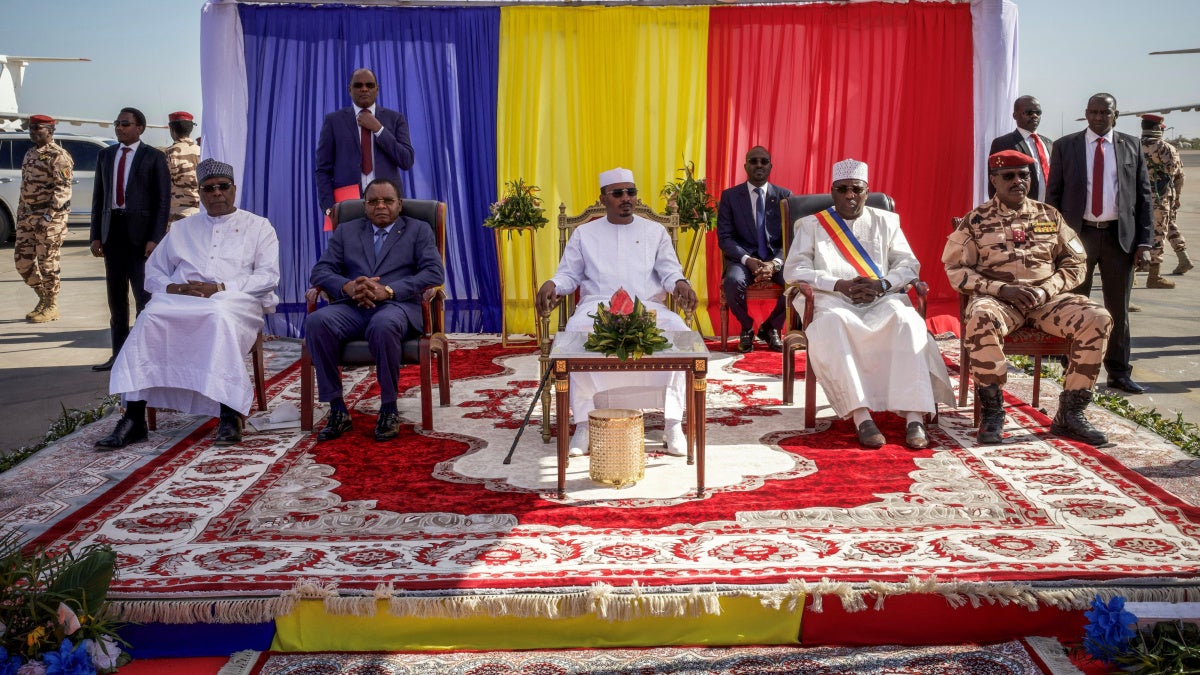
Key developments in Chad’s political arena The year 2025 marked a turning point for Chad under President Mahamat Idriss Déby, who secured his grip on power after the controversial 2024 presidential election. Opposition voices were systematically silenced, with constitutional amendments extending presidential terms from five to seven years and eliminating term limits entirely. This move effectively allows Déby to remain in office indefinitely, pending periodic elections every seven years. Opposition leader Succès Masra, who contested the 2024 election results, faced a harsh crackdown. He was arrested, convicted on questionable charges, and sentenced to 20 years in prison. His party members, activists, and journalists were also targeted with intimidation and arbitrary detentions. A controve...
Nigeria faces worsening violence and neglected humanitarian crisis
Politics

Nigeria faces worsening violence and neglected humanitarian crisis

Nigeria faces worsening violence and neglected humanitarian crisis The abduction of schoolchildren, coordinated attacks on entire villages, and the violent targeting of worshippers in churches and mosques have thrust Nigeria back into the global spotlight. Recent escalations reached a geopolitical turning point when the United States launched airstrikes on jihadist positions in northern Nigeria on Christmas Day, framed by Washington as a protective measure for Christian communities under threat. From localized conflict to a national security emergency What began in 2009 in the country’s northeast with Boko Haram has evolved into a sprawling crisis. The group’s insurgency, later joined by splinter factions including Islamic State West Africa Province (ISWAP), has left deep scars across t...
Burkina Faso allocates 11% of public spending to health in 2026, leading UEMOA
Politics

Burkina Faso allocates 11% of public spending to health in 2026, leading UEMOA

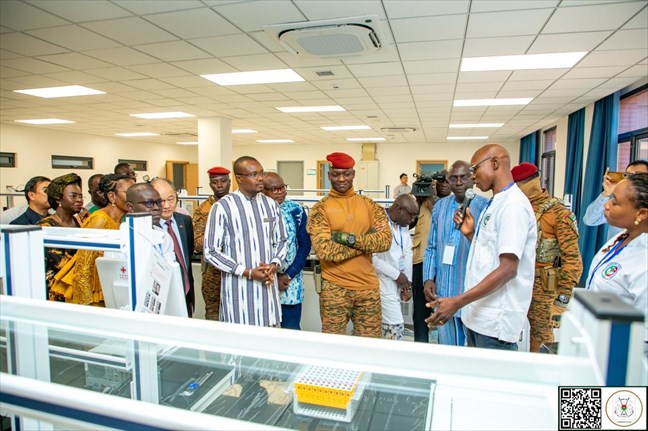
Burkina Faso allocates 11% of public spending to health in 2026, leading UEMOA In the West African Economic and Monetary Union (UEMOA), one nation is setting a groundbreaking precedent. For the 2026 fiscal year, Burkina Faso is allocating 11% of its national budget—equivalent to 388 billion West African CFA francs—toward healthcare. This represents 3,432 billion FCFA in total public expenditures, a figure that not only surpasses regional neighbors but also edges closer to international health financing benchmarks. Premium contentSubscribe from40,000 FCFAAccess all premium contentBuy this articlefor 3,000 FCFATweetBRVM COMPOSITE404,59 XOF0,28%Premium analysis 08/05/2026 Global cocoa market shifts from massive 492,000-ton deficit to 75,000-ton surplus in one year 08/05/2026 LNB: 2025 pe...
Mali restricts jeune afrique magazine distribution amid press freedom concerns
Politics

Mali restricts jeune afrique magazine distribution amid press freedom concerns

The Union of African Free Press Journalists (UJPLA) has voiced strong objections to the Malian government's decision to ban the sale and distribution of Jeune Afrique magazine nationwide. In a scathing statement, the UJPLA labeled the move as a serious violation of fundamental rights, including freedom of the press, freedom of expression, and the right to unbiased information for Malian citizens. Jeune Afrique, a long-standing pan-African publication, has played a pivotal role in fostering democratic discourse, political analysis, and socio-economic commentary across the continent. The magazine’s prohibition sets a dangerous precedent and contradicts Mali’s international commitments to human rights and press freedom. The UJPLA emphasized that press freedom is not a privilege granted by ...
Women in Mali’s artisanal mines face deadly poverty traps
Politics

Women in Mali’s artisanal mines face deadly poverty traps

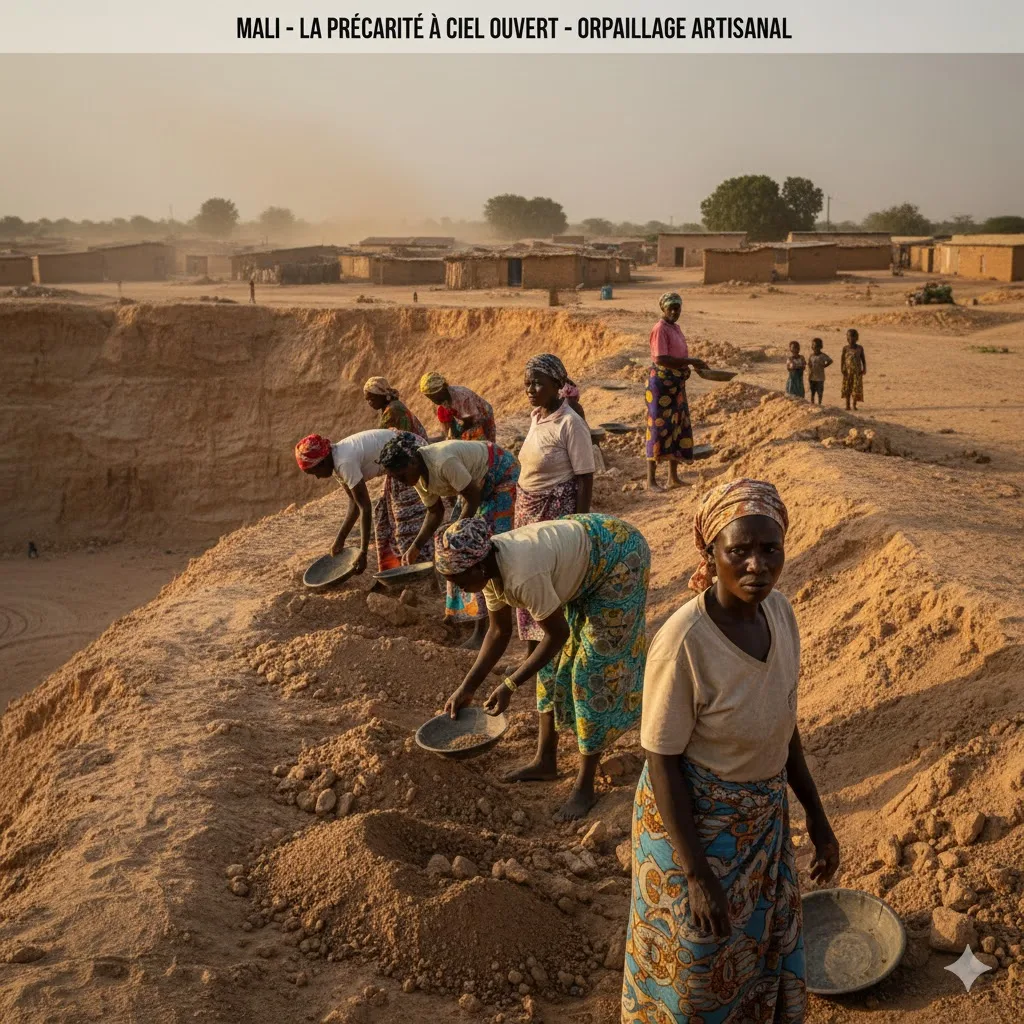
In the heart of Mali, the village of Kéniéty in the Kéniéba district became the scene of an unimaginable tragedy on January 9, 2026. Six women lost their lives when a mine shaft collapsed, burying them alive. Behind this heartbreaking event lies a harsh truth: the relentless cycle of poverty that forces mothers into life-threatening situations just to survive. Mothers risking everything for survival These women don’t choose to work in these perilous artisanal gold mines—they are driven by sheer necessity. With no other means to feed their children or cover basic household expenses, they endure grueling 12-hour shifts under scorching sun, often extracting only a few grams of gold. In the Kayes region, this daily grind is a stark reality for many women who have no alternative. Trapped in ...
The hidden cost of small gifts: Mali’s struggle with systemic corruption
Politics

The hidden cost of small gifts: Mali’s struggle with systemic corruption

In Mali, local expressions like "Bonya" (respect), "woro songo" (the price of kola nuts), or "buru songo" (the price of bread) serve as linguistic veils for a troubling reality: the culture of illicit "small gifts" that fuels widespread corruption. While this phenomenon causes growing alarm, it appears to be increasingly tolerated by the general public. Why has this form of graft become so integrated into the social fabric? Furthermore, how can a problem be challenged when it is perceived as acceptable by the majority? According to the "Dictionary of Corruption" by Transparency International, the term refers to the misuse of delegated authority for personal gain. When viewed through this lens, acts of corruption are a daily occurrence across Mali. This issue is visible in public service...
Mali’s 2024 corruption perception index: persistent challenges and regional comparisons
Politics

Mali’s 2024 corruption perception index: persistent challenges and regional comparisons

The 2024 Corruption Perceptions Index (CPI) places Mali at 136th out of 180 countries, with a score of 28/100. This ranking highlights the nation's ongoing struggle to curb corruption—a systemic issue that undermines governance and hinders sustainable development. According to the latest Transparency International report, Mali's institutions responsible for oversight are weakening. The allocation of public contracts remains shrouded in secrecy, and financial management continues to lack transparency, fueling widespread perceptions of corruption within the country. Public administration is particularly vulnerable. Critical services such as justice, healthcare, and education are frequently accessed through favoritism or bribery. This environment fosters distrust in state institutio...