Saturday, November 21

Analysis

Mali’s military tech gap: why advanced weapons fail without strategic depth
Analysis

Mali’s military tech gap: why advanced weapons fail without strategic depth

Why Mali's high-tech arsenal struggles to turn the tide in Kidal The Malian military's investment in advanced weaponry—drones, tactical bombers, and precision-guided munitions—has failed to translate into battlefield success around Kidal. Despite overwhelming air superiority, government forces remain locked in a stalemate with rebels from the Front de libération de l'Azawad (FLA), exposing a critical flaw: technology is only as effective as the doctrine behind it. Kidal: a case study in military miscalculation For months, Bamako has relied heavily on aerial bombardments and drone strikes, yet the FLA continues to hold its ground. The reason isn't firepower shortage—it's a command structure crippled by a lack of education. Without officers trained in modern warfare tactics, Mali's sophis...
Niger’s surprising northern trade pivot amid southern border restrictions
Analysis, News, Top Stories

Niger’s surprising northern trade pivot amid southern border restrictions

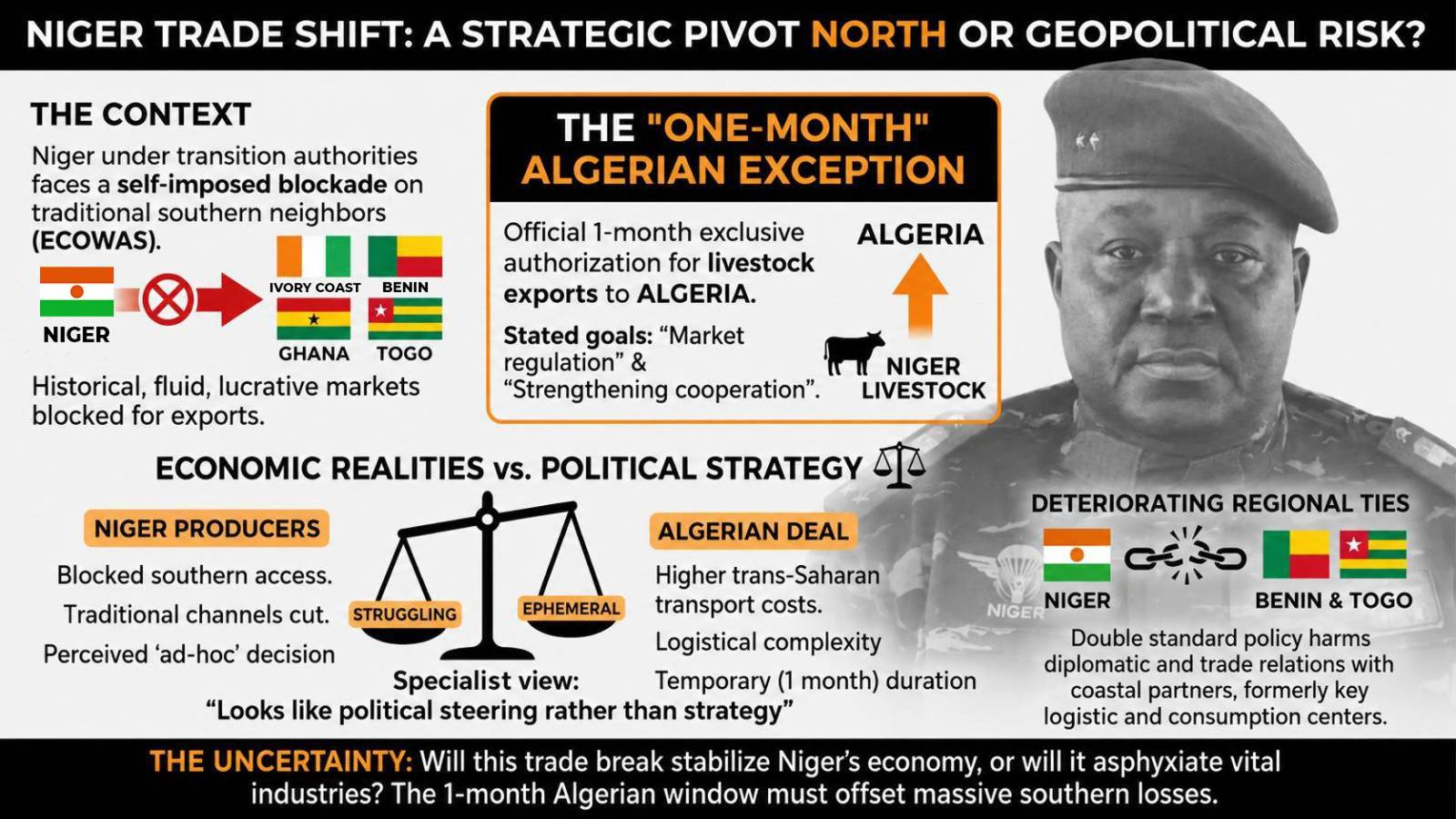
Amidst a West African landscape already grappling with geopolitical strains, recent commercial decisions by Niger's transitional authorities are generating significant concern among economic stakeholders and regional analysts. While commercial frontiers remain either entirely closed or severely restricted for exports destined for the Gulf of Guinea nations, including Côte d'Ivoire, Bénin, Ghana, and Togo, the Nigerien government has unexpectedly opened a trade conduit to the North. An exclusive temporary arrangement with Algiers Niger's government has formally granted a special one-month authorization for the export of livestock to Algeria. Official statements indicate this temporary measure is intended to facilitate "internal market regulation" and bolster "economic cooperation" between N...
Senegal politics: why sonko and diomaye’s split became unavoidable
Analysis

Senegal politics: why sonko and diomaye’s split became unavoidable

Senegal politics: why Sonko and Diomaye's split became unavoidableVideo reportIn Senegal, President Bassirou Diomaye Faye dismissed Prime Minister Ousmane Sonko on May 22, finalizing a political rift that had been building for months. Internal rivalries, governance disputes, economic reform disagreements, and power struggles shattered the partnership that once symbolized a bold departure from Macky Sall’s era. In this analysis, political analyst Babacar Ndiaye, director of the WATHI think tank, dissects the roots and repercussions of this high-stakes crisis at the heart of Senegal’s government.AdvertisementAbout our ads By Harouna Ousmane — Reporter
Kaliningrad: a russian enclave’s growing isolation
Analysis, News, Top Stories

Kaliningrad: a russian enclave’s growing isolation

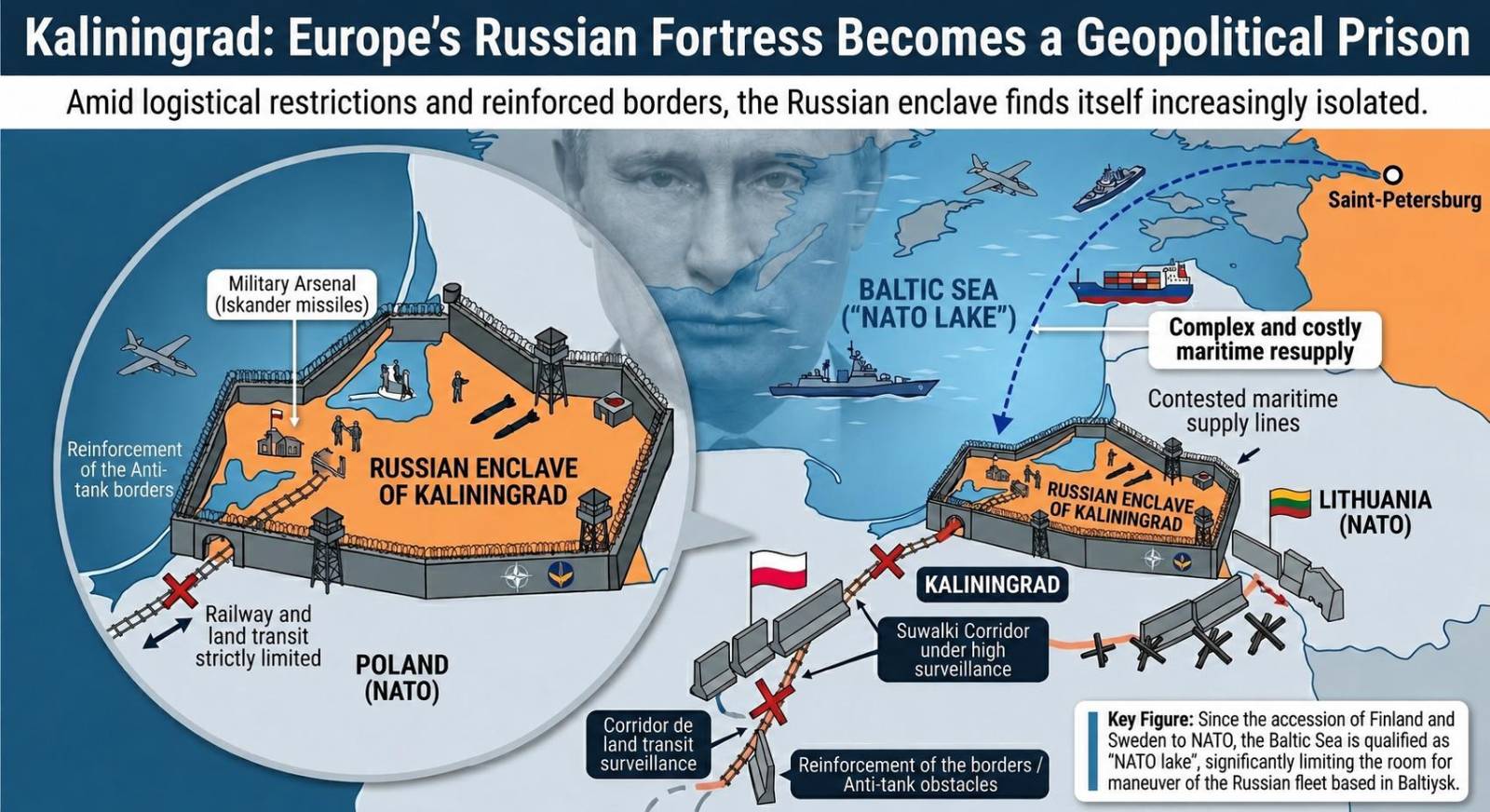
Kaliningrad, historically a vital military outpost for Moscow at the heart of Europe, now contends with an unprecedented escalation of controls imposed by its NATO-aligned neighbors. The Russian enclave finds itself increasingly isolated, caught between tightened logistical restrictions and fortified borders.A significant strategic realignment is unfolding along the European Union's eastern flank. Kaliningrad, a heavily militarized Russian territory nestled between Poland and Lithuania, is experiencing an unparalleled crisis in connectivity. Previously viewed by the Kremlin as a formidable forward base capable of projecting considerable firepower, notably through its Iskander missile systems, deep into the European sphere, the enclave now resembles a fortress increasingly disconnected from...
Togo implements visa exemption with stringent digital controls
Analysis, News, Top Stories

Togo implements visa exemption with stringent digital controls

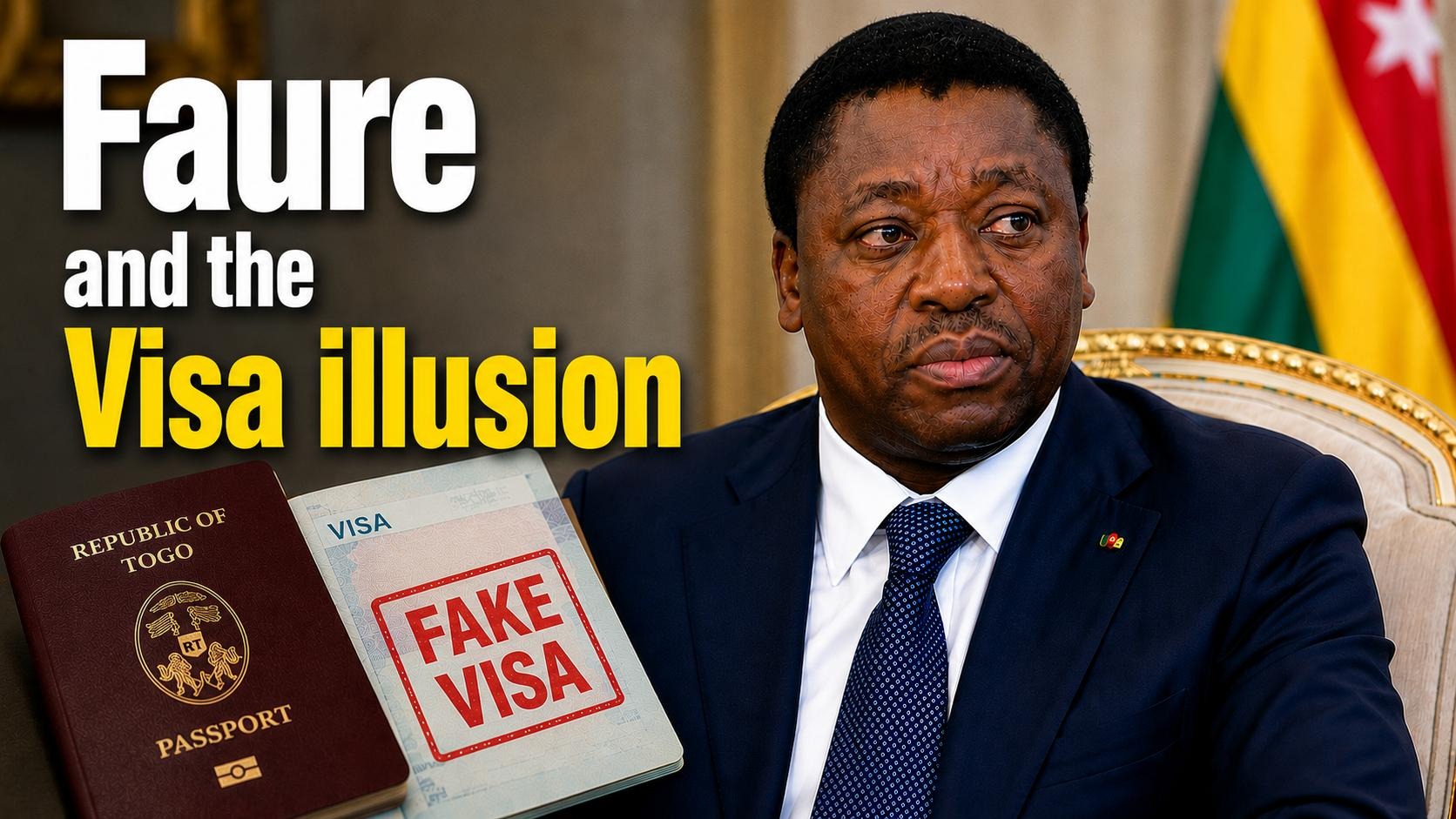
Lomé’s recent decision to abolish visa requirements for African travelers presents itself as a bold step toward continental integration. However, beneath the polished rhetoric of a borderless Africa lies a framework designed to maintain stringent oversight rather than foster genuine openness. An announcement draped in diplomatic ambition The Togolese government, under the leadership of President Faure Gnassingbé, has positioned itself as a champion of panafricanisme by declaring visa-free entry for all African nationals. This move has drawn global attention, positioning Togo among a select group of African nations—such as Rwanda and Benin—that have embraced unconditional access. Yet, the practical implementation of this policy reveals a more calculated agenda. The fine print: a condition...
Togo: a new arena for french and russian geopolitical competition
Analysis, News, Top Stories

Togo: a new arena for french and russian geopolitical competition

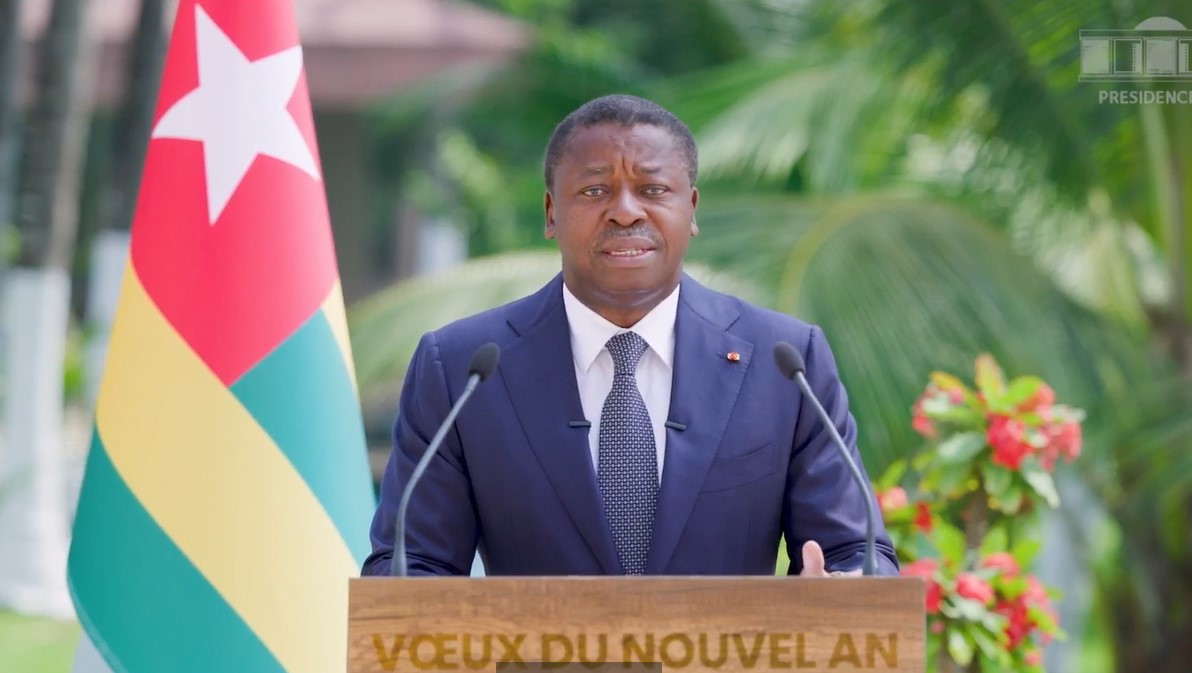
Togo has rapidly become a focal point for an intense geopolitical rivalry unfolding between France and Russia. In this strategic Gulf of Guinea nation, both global powers are vying for influence through a blend of crisis diplomacy, security pacts, and soft power initiatives. Within the discreet corridors of power in Lomé, a delicate diplomatic balancing act is underway. Traditionally seen as a quiet, steadfast partner to France in West Africa, Togo now finds itself at the epicenter of a significant struggle for influence between Paris and Moscow. As French influence has waned considerably across the Sahel region following diplomatic rifts with Mali, Burkina Faso, and Niger, France is actively working to consolidate its position along the maritime coast. However, Russia, having successfully...
Unraveling pastef’s internal dynamics: sonko, diomaye, and fall’s roles in senegalese politics
Analysis

Unraveling pastef’s internal dynamics: sonko, diomaye, and fall’s roles in senegalese politics

unraveling pastef's internal dynamics: sonko, diomaye, and fall's roles in senegalese politics We delve into the core of the complex dynamics currently unfolding within Senegal's Pastef party. This in-depth analysis features crucial insights from key figures such as Ousmane Sonko, Diomaye, and Abass Fall, offering a unique perspective on the evolving Senegalese political landscape. Our detailed reporting addresses the most pressing issues dominating current Senegalese affairs. We have gathered direct perspectives to illuminate the intricate developments shaping the nation's political future, a crucial element of governance Africa. By Harouna Ousmane — Reporter
Mali’s deepening crisis: the jnim’s rise and the military’s dilemma
Analysis

Mali’s deepening crisis: the jnim’s rise and the military’s dilemma

Mali's deepening crisis: the jnim's rise and the military's dilemma Caught between the military government's stubbornness and the advancing jihadists' promise of sharia law, Malians face an impossible choice. An analysis of the political deadlock… Terrorism General Assimi Goïta, head of the Malian junta, re-emerged three days after the coordinated attacks on April 25 by the Group for the Support of Islam and Muslims (GSIM / JNIM, an Al-Qaida affiliate) and the Azawad Liberation Front (FLA, an independentist rebellion). He did not deem it necessary to explain his temporary absence to the populace. In his April 29 address, he insisted that “the situation is under control,” even as the FLA re-established itself in Kidal and the JNIM initiated a blockade of Bamako. Goïta resorted to...
Faso Mêbo initiative: patriotic duty or a call for double taxation?
Analysis

Faso Mêbo initiative: patriotic duty or a call for double taxation?

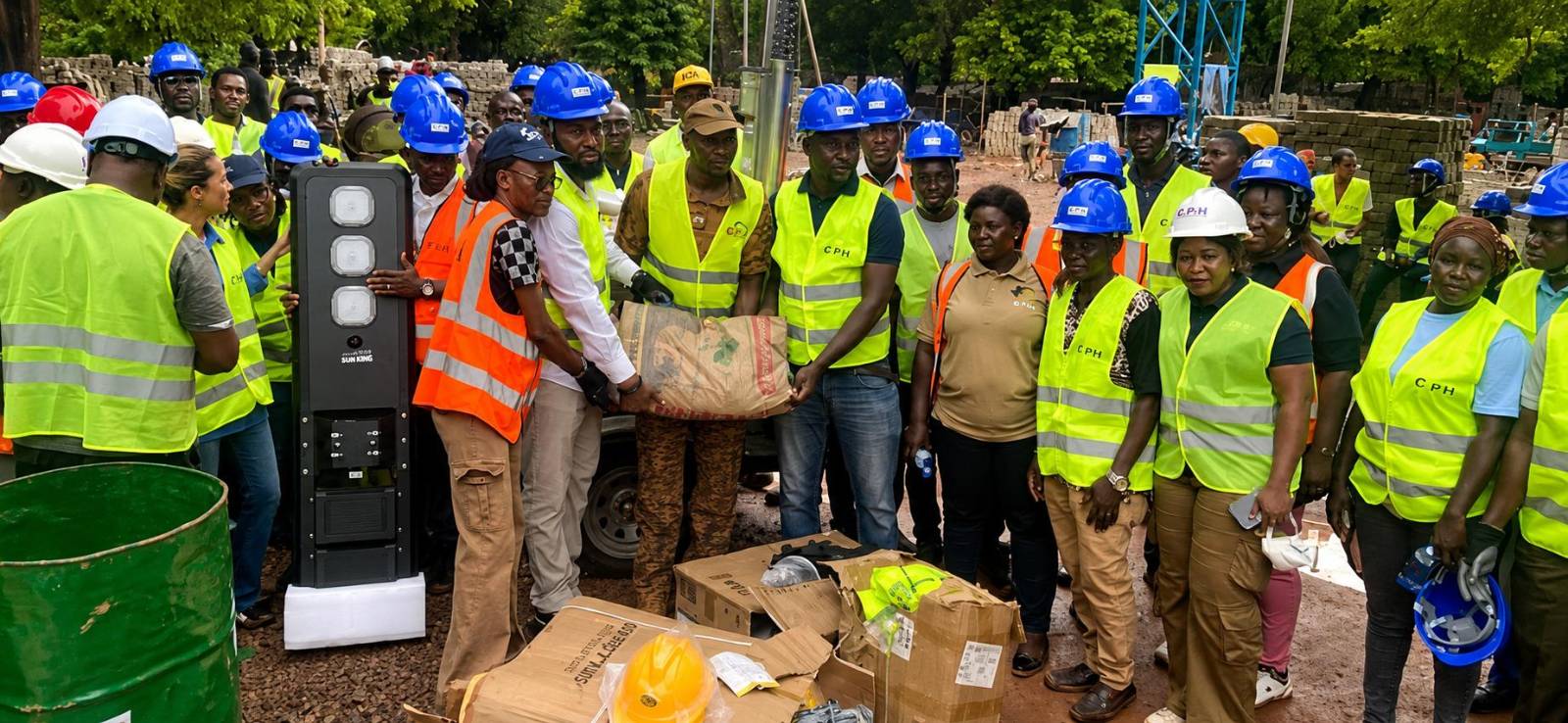
While Burkina Faso's Ministry of Economy and Finance frequently extols the over 261 million FCFA already amassed by May 15, 2026, under the banner of the « Faso Mêbo » initiative, a profound question now reverberates across public opinion. This latest popular fundraising drive: is it a genuine surge of patriotism, or does it, in fact, border on an institutionalized form of double taxation? This debate is a key point of discussion in African politics and governance Africa. For many citizens and astute observers, the sentiment is unequivocally stark. They contend that a citizen’s foremost duty in the construction, security, and advancement of their nation is inherently fulfilled through a crucial and mandatory civic act: the payment of taxes and levies. On this front, the Burkinabè people ha...
Kidal’s future: Africa Corps hints at a major strategic shift in northern Mali
Analysis

Kidal’s future: Africa Corps hints at a major strategic shift in northern Mali

An in-depth assessment of a recent document released by Russian-aligned forces, known as the Africa Corps, reveals a significant underlying political truth, far beyond its military rhetoric. Careful interpretation of the text suggests that Russia is actively preparing public opinion for a substantial change in strategy concerning northern Mali. Two primary scenarios are now emerging in the complex landscape of African politics. Scenario 1: Africa Corps poised to withdraw support for Assimi Goïta For an extended period, the transitional president, Assimi Goïta, built his popularity on a singular commitment: to reclaim and secure every inch of Malian territory, with Kidal being a paramount symbol. Kidal represented the very essence of Malian national pride and sovereignty. By now declaring t...
The fading russian influence in africa and its strategic missteps
Analysis, News, Top Stories

The fading russian influence in africa and its strategic missteps

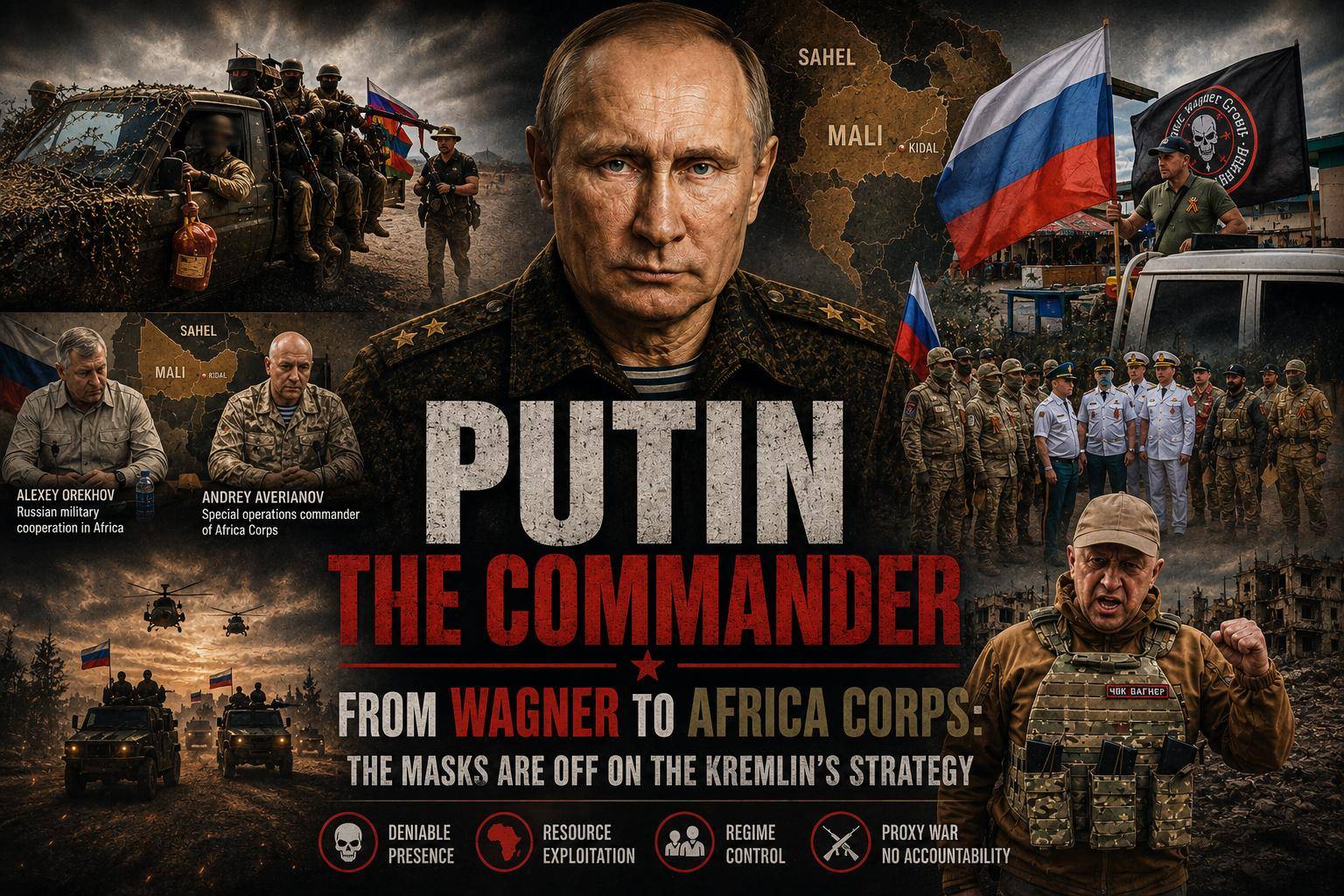
Following a decade of rapid expansion under the banner of mercenary operations, disinformation campaigns, and anti-Western populism, the Kremlin’s African strategy has encountered an unrelenting reality check. Once hailed as a formidable alternative to Western influence, Moscow’s approach now faces mounting skepticism, unmet security guarantees, and a growing tide of public discontent. What was once dismissed as mere speculation is now unfolding as a tangible shift: the gradual erosion of Russian imperial ambitions on the continent. The hollow promise of security partnerships In the mid-2010s, Russia exploited the perceived withdrawal of traditional powers, particularly France, from parts of Africa. From Bamako to Bangui, via Ouagadougou and Niamey, Moscow presented a seductive yet simpli...
How industrialization can transform Côte d’Ivoire’s economy
Analysis

How industrialization can transform Côte d’Ivoire’s economy

Why industrialization is the key to Côte d’Ivoire’s economic transformation During a high-level press briefing held in Abidjan-Plateau on May 8, 2026, the spotlight turned to Côte d’Ivoire’s industrial future. Paul-Harry Aithnard, Ecobank Côte d’Ivoire CEO and UEMOA Regional Director, delivered a compelling argument: industrialization is not optional—it’s essential for the country to reach emerging market status. Drawing a powerful comparison, Aithnard noted that Côte d’Ivoire’s current GDP of $100 billion mirrors Malaysia’s GDP a quarter-century ago. Yet over the next 25 years, Malaysia expanded its GDP to over $400 billion. The lesson? Industrialization can quadruple economic output—if the right strategies are implemented today. Three pillars to drive Côte d’Ivoire’s i...