Cameroon’s succession battle between Franck and Chantal Biya heats up
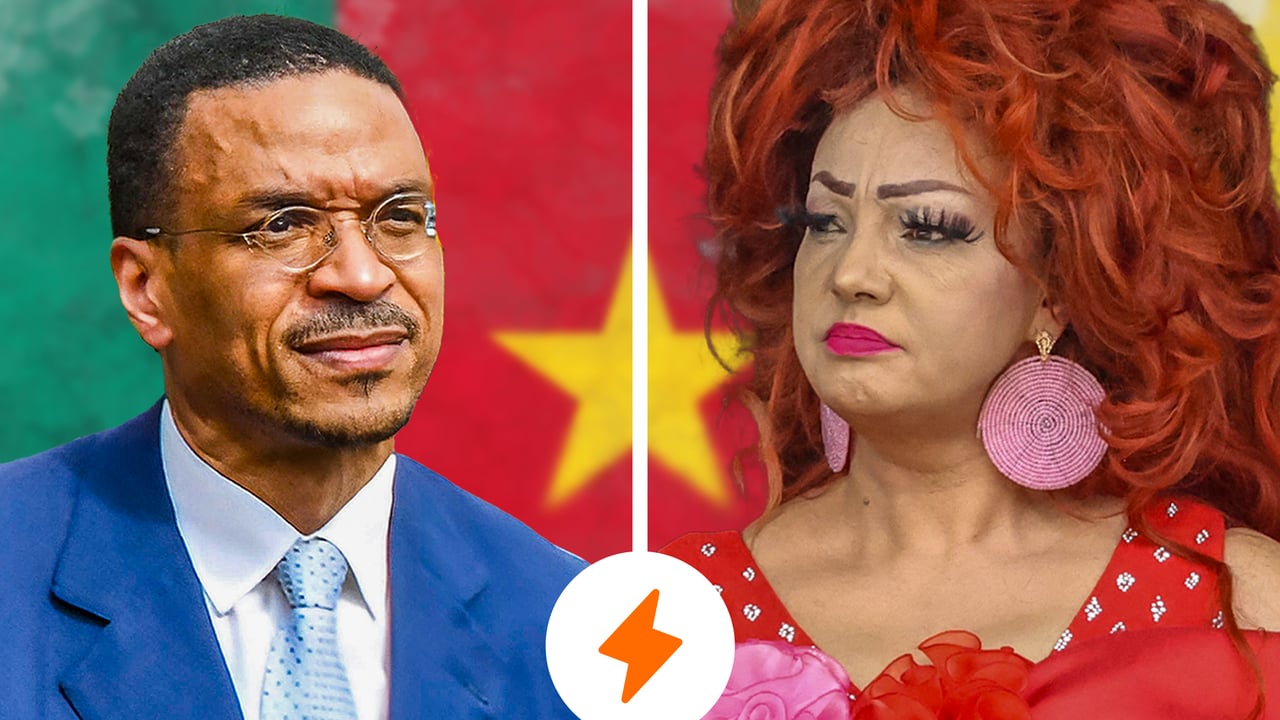
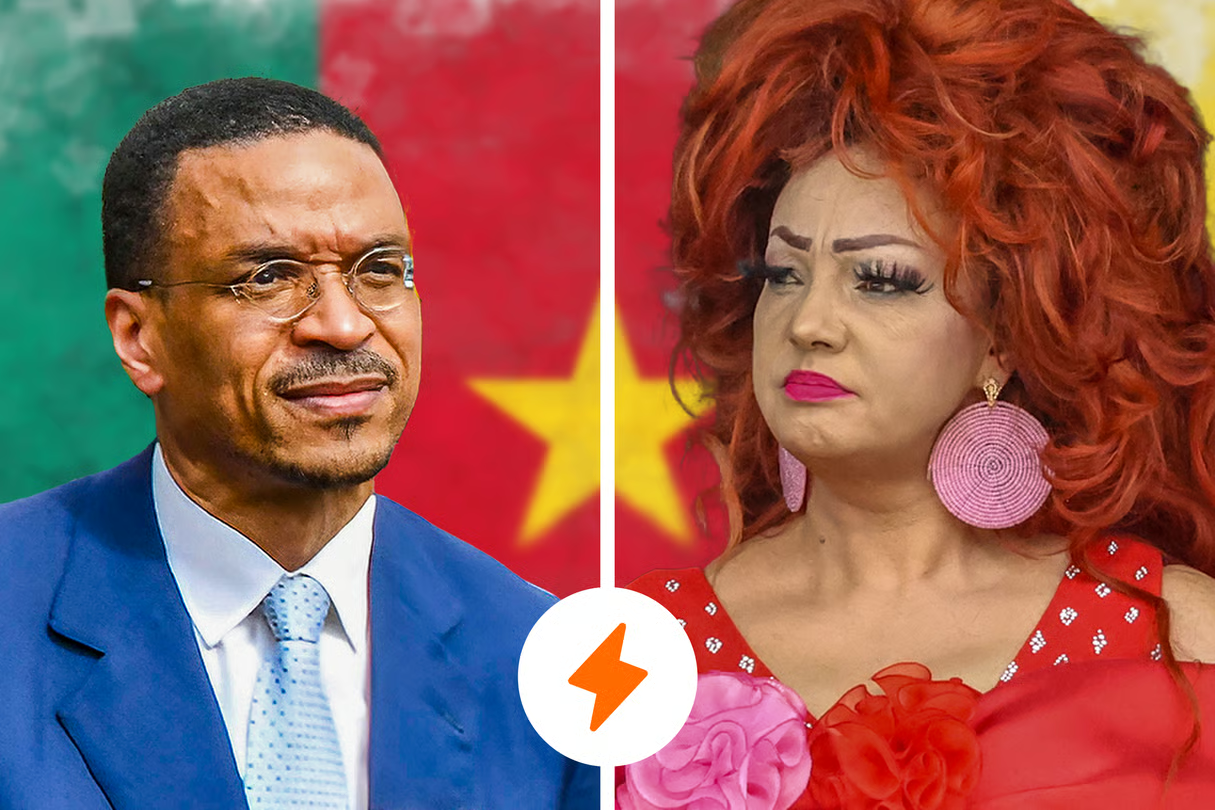
In Cameroon, the political landscape is becoming increasingly tense as the lines between Franck Biya and Chantal Biya grow sharper. The son and wife of the country’s long-serving president, Paul Biya, have emerged as two pivotal figures in what observers describe as an unwritten succession battle that is now impossible to ignore.
The stakes could not be higher. With President Biya, 88, in office since 1982, questions about the future of governance in Cameroon have intensified. Public speculation has centered on whether Chantal Biya, the first lady known for her influential role behind the scenes, will position herself—or one of her allies—as a successor. Meanwhile, Franck Biya, the president’s son, has been quietly consolidating power, raising eyebrows across political circles.
a power struggle with deep roots
The current tensions are not isolated events but the result of years of carefully orchestrated influence. Chantal Biya has long been more than a ceremonial figure; her diplomatic engagements and public appearances often overshadow those of the president himself. Her network within the ruling party and among international partners is extensive, giving her a formidable base of support.
On the other hand, Franck Biya, though less publicly visible, has methodically expanded his presence in key institutions. Rumors of his ambitions have circulated for years, fueled by his visible role in state ceremonies and his growing control over security and economic portfolios. The question now is whether these two figures will clash openly—or find a way to share power behind closed doors.
what’s at stake for Cameroon
The implications of this internal power struggle extend far beyond personalities. Cameroon, a central African nation of over 26 million people, faces pressing challenges: economic instability, security threats from armed groups, and a youth population demanding change. Stability during the transition—or lack thereof—could determine whether the country moves forward or risks deeper instability.
Analysts warn that a messy succession could exacerbate existing tensions, particularly in regions already grappling with separatist movements and intercommunal conflicts. The role of the military, traditionally loyal to the presidency, will also be critical in determining the outcome.
signs of escalation
Recent months have seen subtle but telling shifts. Chantal Biya has ramped up her public profile, launching high-profile initiatives and strengthening ties with regional leaders. At the same time, Franck Biya has quietly secured key appointments in state-owned enterprises and advisory councils, positioning himself as a modernizer with a focus on economic reform.
Behind the scenes, whispers of factionalism within the ruling party have grown louder. Some party members openly express allegiance to one camp or the other, while others attempt to navigate the divide cautiously. Public statements remain diplomatic, but the subtext is clear: Cameroon is watching, and the stakes could not be higher.
will compromise prevail?
History suggests that in Cameroon’s political culture, power transitions are rarely straightforward. Previous successions have often involved complex negotiations, behind-the-scenes deals, and the careful balancing of competing interests. Whether this time will follow that pattern—or if the rivalry between Franck and Chantal Biya will erupt into open conflict—remains to be seen.
What is certain is that the coming months will be decisive. As President Biya’s grip on power inevitably weakens with age, the decisions made by his inner circle will shape the future of Cameroon for decades to come. For now, the nation waits—and watches.