Burkina Faso: financial realities confront self-sufficiency rhetoric
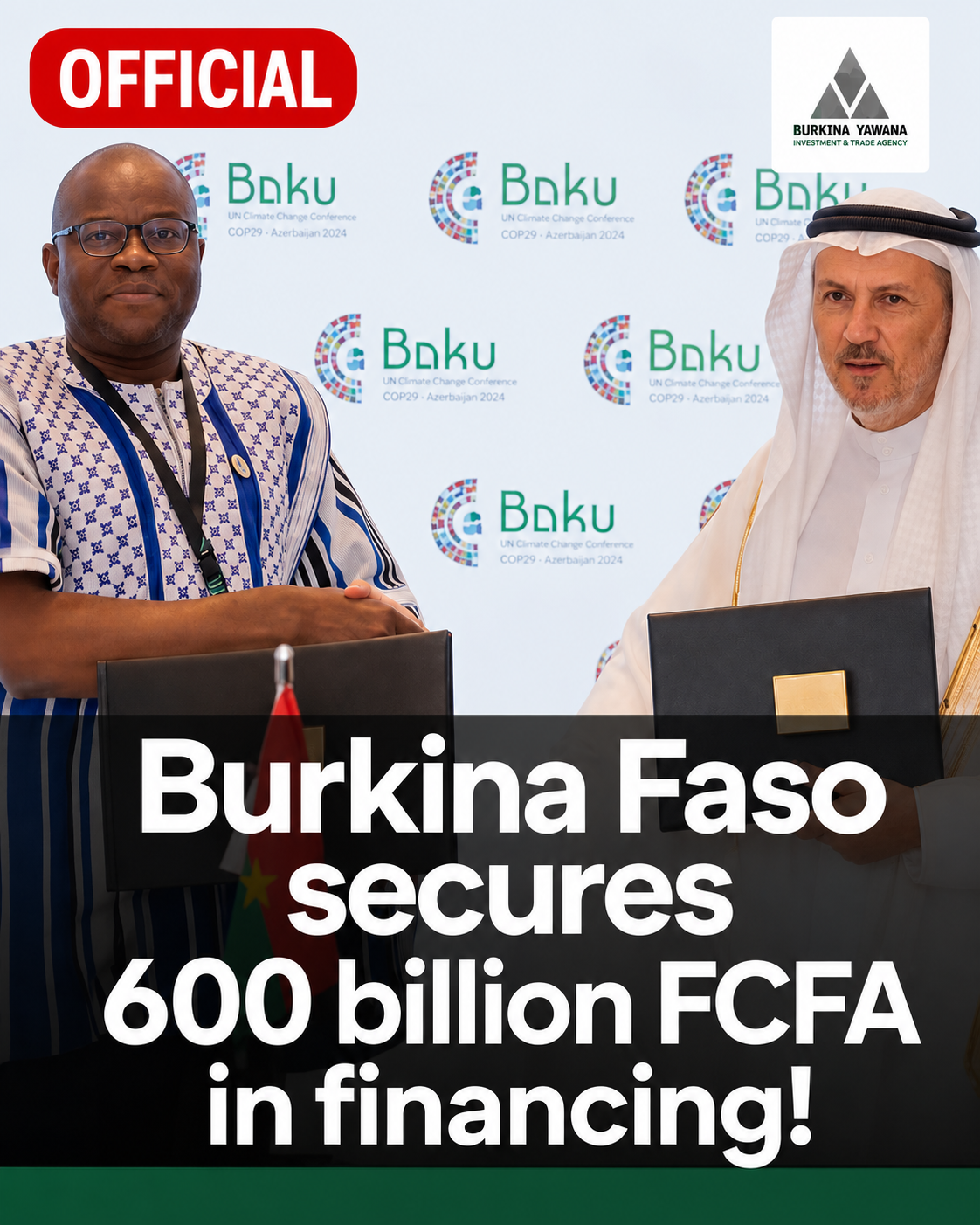
In the Azerbaijani capital of Baku, Minister Aboubakar Nacanabo recently formalized a new financial accord with the International Islamic Trade Finance Corporation (ITFC). This substantial infusion of capital is earmarked for critical sectors including fuel, cereals, fertilizers, and support for small and medium-sized enterprises. While representing a vital economic lifeline for the Burkinabè market, this development simultaneously serves as a profound reality check for public perception.
Such agreements, often concluded without extensive local media coverage, are nonetheless paramount to the daily lives of Burkina Faso’s citizens. By securing this partnership abroad, the government ensures the continued availability of essential commodities. Without these funds, sustaining adequate reserves of agricultural inputs like fertilizers or stabilizing consumer prices at fuel pumps would present considerable challenges.
However, this transaction prompts significant inquiry. For some time, a consistent narrative has permeated official statements and public gatherings: that Burkina Faso is pursuing development through its “own resources,” proudly asserting the mantra of “y’a pas crédit dedans” (no credit involved). This rhetoric of national self-reliance, while appealing, starkly contrasts with the intricate realities of global economic geopolitics.
The discrepancy is notable: how does a nation that vocally champions independence from external aid find itself formalizing extensive financial arrangements thousands of kilometers from its capital, Ouagadougou?
The notion of “zero debt” offers a comforting illusion, yet it conceals a potentially severe boomerang effect. By sidestepping an honest appraisal of its financial dependencies, a considerable segment of the population remains unaware of the nation’s true level of indebtedness. A harsh awakening could loom, wherein Burkina Faso might find itself just as burdened by financial obligations as it was previously, albeit now accompanied by persistent slogans.
The fundamental principles governing economics are immutable, impervious to political artifice. While financing national development purely through domestic effort is a commendable aspiration, the day-to-day existence of the Burkinabè populace currently remains significantly tethered to the execution of these international financial agreements.