Bordeaux clears path for Gabonese artifact return with legal maneuver
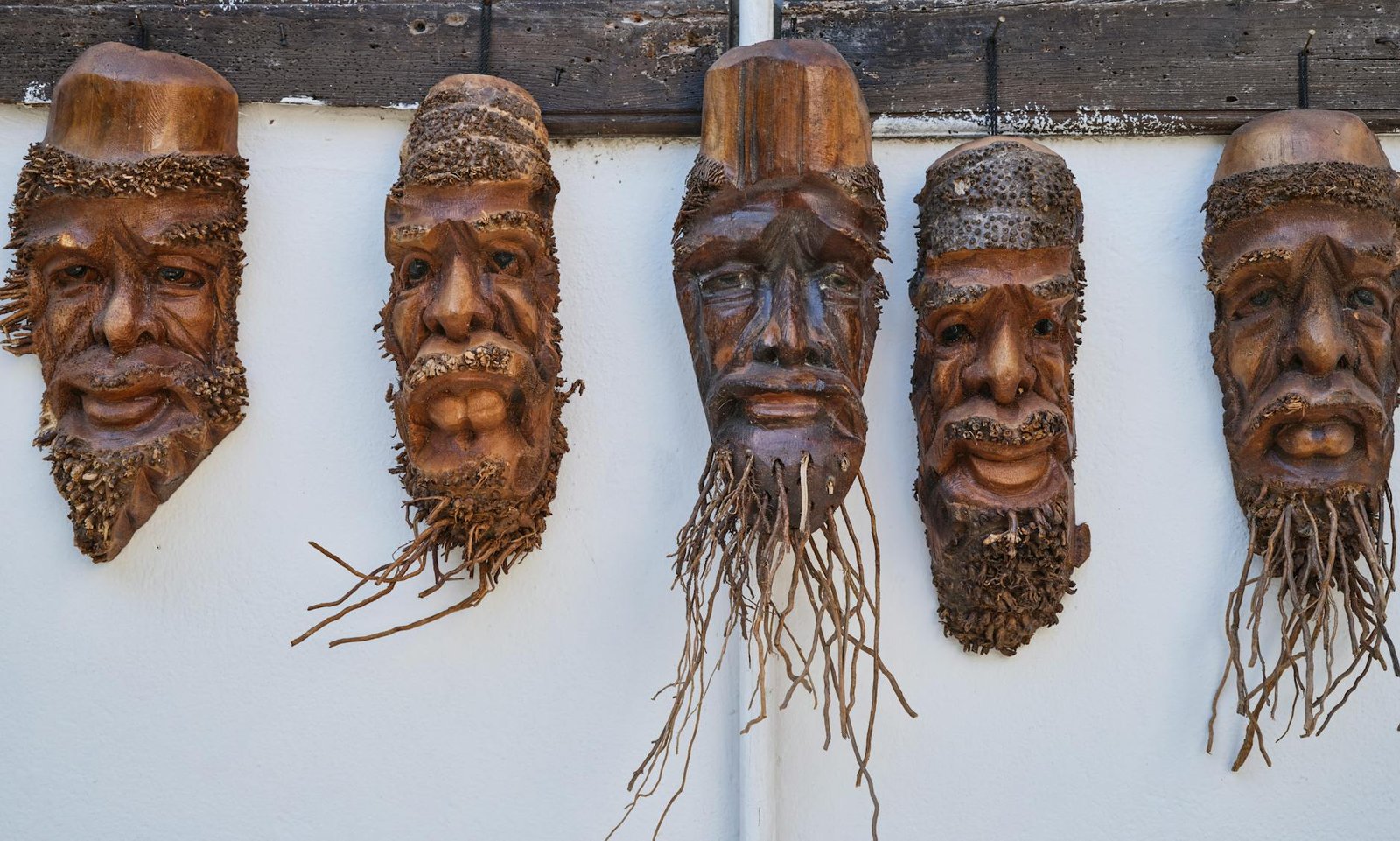
An unprecedented chapter in the restitution of African heritage has unfolded in Bordeaux, where municipal authorities have taken a decisive legal step to facilitate the return of cultural treasures to Gabon. On June 1, 2026, the city officially declined a bequest of 53 artworks originating from multiple African countries, including pieces previously held in the Musée d’Aquitaine’s reserves. At first glance, this rejection appears contradictory, yet it serves a critical legal function: under French law, public collections are bound by the principle of inalienability, making it nearly impossible to transfer such items once they become part of the national museum system. By refusing the bequest, Bordeaux ensures these artifacts remain eligible for restitution, with 33 pieces earmarked for Libreville.
Navigating legal hurdles to reclaim colonial-era artifacts
The Bordeaux decision highlights the innovative legal strategies being employed by French municipalities to address restitution demands from African nations. Since the 2018 Sarr-Savoy report called for the return of cultural objects acquired during colonial rule, the debate has gained momentum, though concrete legislative action remains limited. Each restitution case requires tailored legal solutions, as blanket policies have yet to be established. By declining the bequest before formal integration into public collections, Bordeaux bypasses the inalienability obstacle, preserving the flexibility needed for direct transfers to their countries of origin.
This approach is not merely administrative—it reflects a political commitment to confronting France’s colonial legacy. Bordeaux, a city whose 18th-century prosperity was deeply tied to the transatlantic slave trade, has in recent years intensified efforts to address this history. The June decision marks a shift from symbolic gestures to tangible legal action, positioning the municipality as a leader in reparative justice within the cultural sector.
Gabon’s cultural revival hinges on recovered treasures
For Libreville, the return of these 33 artifacts represents more than a restoration of heritage—it is a cornerstone of national identity. The pieces, which include masks and reliquaries from the Fang, Punu, Kota, and Tsogho ethnic groups, hold immense cultural significance and substantial market value. Kota reliquary statuettes, for instance, frequently fetch hundreds of thousands of euros at auction, underscoring their dual role as both cultural symbols and economic assets. Their repatriation would bolster Gabon’s efforts to revitalize traditions that were systematically marginalized during colonial rule.
Since the political transition of August 2023, Gabon’s government has prioritized cultural sovereignty as a pillar of its national narrative. The restitution of these artifacts aligns with this vision, though the path forward remains uncertain. While Bordeaux’s refusal of the bequest initiates the process, the operational framework for transfer has yet to be finalized. French authorities must clarify the logistics of the handover, while Gabonese institutions face the challenge of ensuring these objects are preserved and displayed according to international museum standards.
A model with potential to reshape restitution efforts across France
Bordeaux’s strategy could serve as a blueprint for other French cities grappling with similar restitution requests. Collections in Marseille, Lyon, Nantes, and La Rochelle contain artifacts of colonial provenance, yet their legal status remains ambiguous. The Bordeaux model offers a streamlined alternative to protracted parliamentary debates, provided the bequests in question have not yet been formally assimilated into public holdings. For African nations seeking the swift return of their heritage, this method presents a compelling advantage over the cumbersome process of passing ad hoc restitution laws.
The implications of the Bordeaux case extend far beyond Gabon. Senegal, Benin, Côte d’Ivoire, and Cameroon are closely monitoring its progress, as the outcome may influence restitution negotiations nationwide. The 2021 return of 26 royal treasures to Benin, facilitated by a specific law, required significant political and legislative effort. The Bordeaux approach, though less conspicuous, could prove more efficient for addressing the thousands of African artifacts still held in French museums. This case may well set a precedent for future restitution diplomacy between Paris, French municipalities, and African governments.