Benin Togo securing energy independence through joint infrastructure
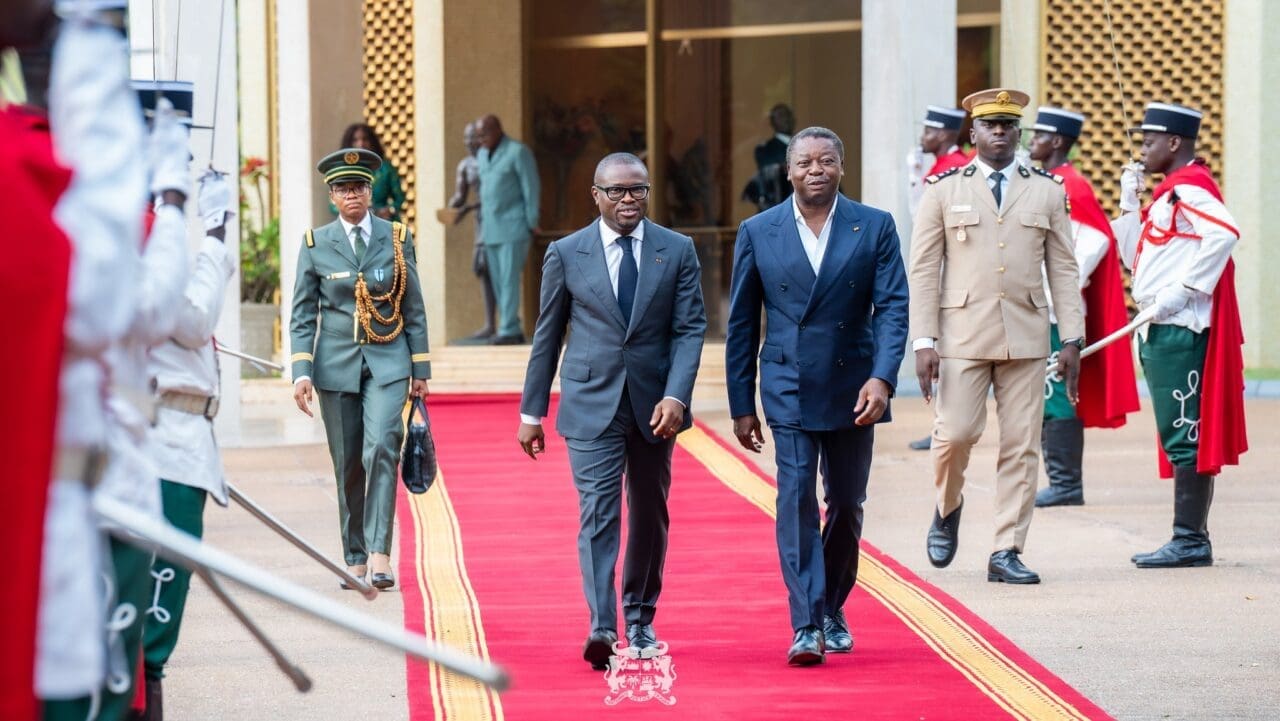
As chronic energy supply disruptions from external sources worsen, Cotonou and Lomé are deepening their political and economic collaboration. Both capitals recognize that securing stable electricity is the cornerstone for industrial growth, prompting them to pool resources and strategic investments to achieve lasting energy sovereignty.
On April 23, a fire at Ghana’s Akosombo substation abruptly severed 1,000 megawatts from the regional grid, halting power exports to Togo and Bénin the very next day. This recurrent vulnerability—where regional partners prioritize domestic supply during shortages—has exposed the structural limitations of the Communauté Électrique du Bénin (CEB), founded in 1968 but never given the mandate or capacity to generate its own power.
Past crises have already forced Togo to allocate 31 billion West African CFA francs in emergency funding after disruptions in the West African Gas Pipeline cut off Nigerian gas supplies in 2024. These recurring setbacks highlight the urgent need for a paradigm shift in how both nations manage their energy future.
a flagship project to power regional ambition
The Adjarala Dam project on the Mono River now stands as the linchpin of this energy revolution. With a projected cost of 266 billion West African CFA francs and a capacity of 147 megawatts, the dam will deliver predictable electricity for three decades while also irrigating 14,700 hectares of farmland in Togo. Such infrastructure is not just an investment in energy—it is a lifeline for industrial ecosystems. The Glo-Djigbé Special Economic Zone in Bénin, backed by over $1 billion in local cotton and cashew processing initiatives, and Togo’s Adétikopé platform, can no longer afford to hinge their competitiveness on the unreliable goodwill of neighboring energy suppliers. A unified energy market is the only pathway to negotiating on equal footing with global investors.
leveraging domestic savings in a changing financial landscape
With international lenders increasingly shying away from fossil fuel financing, Bénin and Togo are turning inward—tapping into substantial long-term savings held by national social security funds and insurance companies. These institutions currently park reserves in short-term public securities. Now, both governments aim to issue jointly guaranteed energy bonds, transforming idle social savings into a powerful engine for regional infrastructure development. Financial analysts view this approach as a bold financial innovation that could redefine public-private collaboration in West Africa.
a historic political convergence
On June 3, 2026, Bénin’s newly elected President Romuald Wadagni made an official visit to Lomé, signaling a decisive realignment in bilateral policy. The joint communiqué laid the groundwork for deeper economic integration, including synchronized infrastructure development. Both leaders have set ambitious targets: Bénin plans to inject 100 megawatts into the shared grid every two years, while Togo aims for universal electricity access by 2030. This political alignment is more than symbolic—it is the catalyst needed to finally deliver on the long-overdue promise of energy independence for both nations.