Benin Niger diplomatic thaw after Benin inauguration

The diplomatic landscape between Bénin and Niger is shifting. A high-level delegation from Niamey, led by the Prime Minister, attended the inauguration ceremony of Bénin’s new president in Cotonou—a clear sign of Niamey’s intent to mend fences after months of strained relations that began with the ousting of President Mohamed Bazoum in July 2023. This move follows a period marked by closed borders, heated rhetoric, and a crippling oil dispute that left both economies reeling.
Diplomatic thaw begins in Cotonou
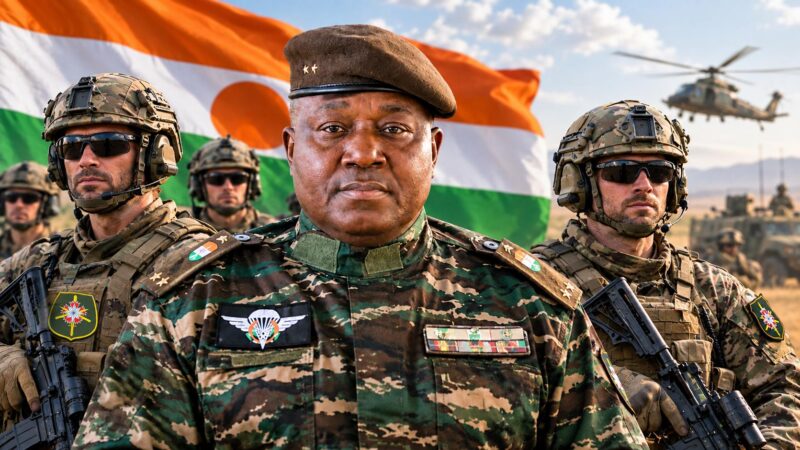
Niamey’s decision to send its Prime Minister rather than a lower-ranking official holds deep significance. Since the coup that brought General Abdourahamane Tiani to power, Nigerien authorities have accused Cotonou of hosting French military bases aimed at undermining the transitional government. Despite multiple mediation efforts by former President Patrice Talon, trust between the two capitals never fully recovered. The arrival of a new administration in Bénin’s presidential palace has now created an opening that Niamey appears eager to exploit without delay.
In West African diplomatic circles, this gesture is seen as part of a broader repositioning strategy. Niger’s exit from the Economic Community of West African States (ECOWAS) alongside Mali and Burkina Faso, followed by the formation of the Alliance of Sahel States (AES), has left it seeking new alliances. Strengthening ties with Bénin, a key Atlantic gateway, could help fill the void left by its withdrawal from the regional bloc.
The oil dispute: the heart of the crisis
Beyond symbolism, the economic stakes are enormous. The 2,000-kilometer pipeline connecting Niger’s Agadem oil fields—operated by the China National Petroleum Corporation (CNPC)—to the Sèmè-Kpodji terminal on Bénin’s coast is Niger’s only major export route for hydrocarbons. Once fully operational, it was expected to transport up to 90,000 barrels per day, significantly boosting Niger’s budget revenue.
However, Bénin’s border closure in response to ECOWAS sanctions, followed by disputes over loading permits, severely disrupted oil flows. Tensions peaked in early 2024 with multiple incidents, including the detention of Nigerien nationals accused of trespassing on the terminal. For a country now heavily reliant on oil revenues for fiscal stability, restoring smooth relations with Bénin is no longer just a diplomatic priority—it’s a strategic necessity.
A regional realignment in motion
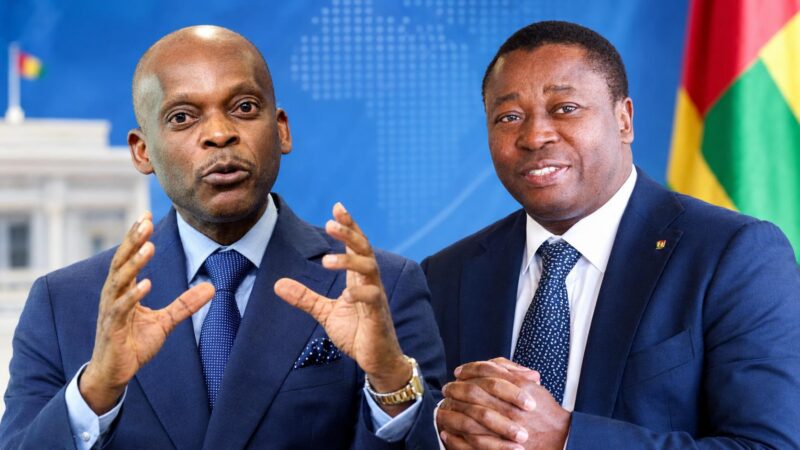
This thaw extends beyond bilateral ties, reflecting a broader recalibration of West African alliances. Coastal nations must now balance loyalty to ECOWAS with the practical need to maintain economic ties with Sahelian regimes. Togo has already adopted this pragmatic approach, and Bénin, under new leadership, may follow suit by separating political disagreements from economic cooperation.
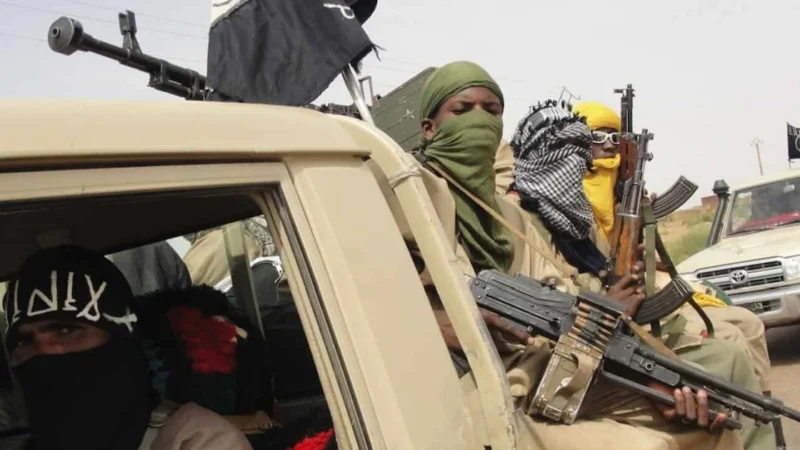
The security dimension remains critical. The shared border is a hotspot for jihadist activity, with affiliates of the Islamic State in the Greater Sahara and the Group for Support of Islam and Muslims operating freely. Without coordinated intelligence-sharing, protected areas like the W National Park and Pendjari remain havens for armed groups. Whether the new Bénin government will revive stalled military dialogue with Niamey remains uncertain.
In the coming months, concrete steps will reveal whether this diplomatic gesture translates into action: full border reopening, resumption of oil shipments, and restoration of full diplomatic missions. Economic actors on both sides, battered by two years of uncertainty, are demanding clear signals. The Nigerien delegation’s presence in Cotonou suggests Niamey is serious about engaging in dialogue.