Benin and Niger edge closer to reopening shared border
Benin and Niger edge closer to reopening shared border
A joint technical committee tasked with assessing the reopening of the Benin-Niger border has finalized its recommendations, identifying critical areas of agreement on security protocols, transit regulations, and legal frameworks. However, Niger’s military-led government has set three non-negotiable conditions that must be met before political ratification can proceed, potentially delaying the process further.
With the border remaining sealed since 2023, both nations are grappling with severe economic and humanitarian fallout. Could this thaw in relations mark the beginning of a new chapter?
Three red lines for Niamey
Niger’s transitional authorities have outlined uncompromising prerequisites for the reopening of the border with Benin. These demands reflect deep-seated concerns over sovereignty and regional stability.
- Mutual non-aggression pact: Niamey insists on a formal defense agreement that explicitly prohibits either nation from using the other’s territory as a launchpad for destabilizing activities. While analysts argue this is standard diplomatic practice, the prolonged tensions have made such assurances seem unprecedented.
- Joint intelligence-sharing mechanism: The establishment of a real-time information exchange system, particularly on counterterrorism and cross-border trafficking, is deemed essential. This step is widely seen as a pragmatic move toward regional security collaboration.
- Transparency on foreign military presence: Niger requires full disclosure of any foreign troops or military infrastructure on Benin’s side near the shared border. The issue touches on national sovereignty, especially given Benin’s varied defense partnerships. As one analyst noted, Benin’s sovereign choices—whether with France, China, or other nations—must not be misconstrued as threats.
« The reality is simple: destabilizing a neighbor serves no strategic purpose,» emphasized Régis Hounkpè, senior analyst and executive director of InterGlobe Conseils. « Cooperation is not just desirable; it’s a necessity dictated by geography.»
Economic paralysis at the border
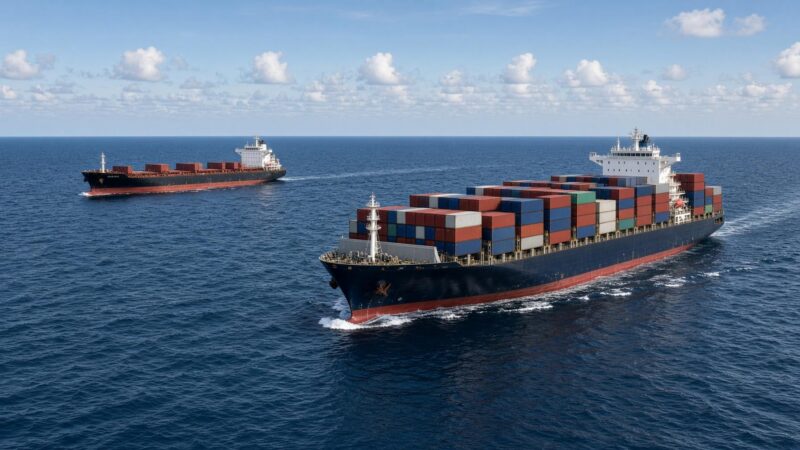
The closure has crippled a vital trade artery for both countries. As a landlocked nation, Niger relies on Benin’s port of Cotonou for 70% of its imports, including fuel, construction materials, and food staples. The detour routes via Togo and Nigeria are longer, costlier, and riskier—pushing logistics expenses up by 30 to 50% in just three years.
The stakes are even higher for the Niger-Benin pipeline, a 2,000-kilometer conduit carrying nearly 90,000 barrels of oil daily from Agadem’s fields to Sèmè-Kpodji. Suspended flows have deprived Niger of millions in expected revenue, while Benin loses transit fees and faces port congestion.
For Benin, the economic hemorrhage is equally severe. Container backlogs and reduced transit traffic have slashed customs revenues by up to 60% in some sectors. Businesses in logistics, wholesale trade, and transport—once thriving hubs—now face existential threats. The shift of maritime traffic to Togo and Nigeria risks eroding Benin’s long-standing status as West Africa’s premier trade gateway.
Human cost of the blockade
The crisis has devastated local communities along the border. Markets in Malanville (Benin) and Gaya (Niger) report a 50% drop in customer traffic, forcing closures and leaving traders unemployed. Essential goods have become scarce, driving up prices and straining household budgets.
Travel has also become perilous. Overland routes are no longer viable, pushing travelers onto risky river crossings. Families are separated, vulnerable groups face worsening poverty, and the vacuum has fueled smuggling and extortion networks.
A pragmatic path forward
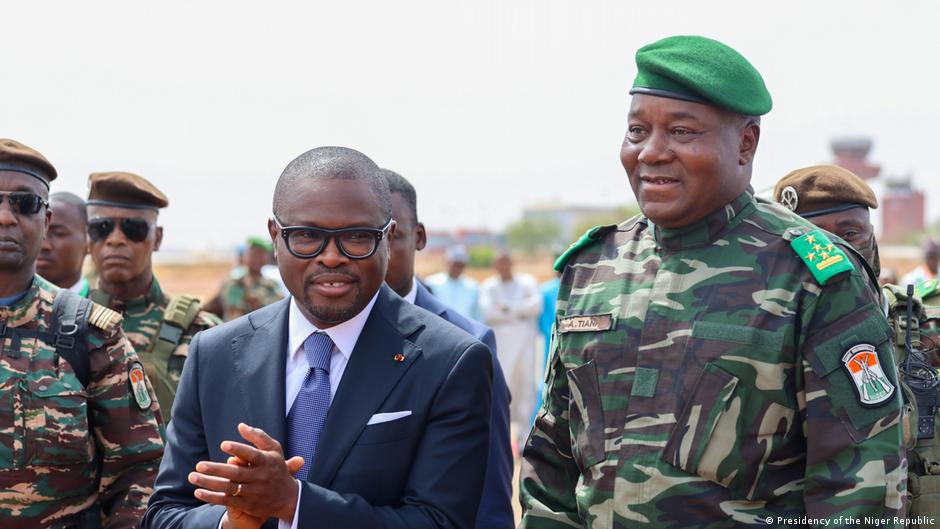
Economic imperatives have driven both nations back to the negotiating table. Benin’s newly elected President Romuald Wadagni made a symbolic visit to Niamey just days after taking office, kickstarting a dialogue that culminated in the formation of the expert committee.
« Leaders today are bound by geography, not ideology,» remarked Hounkpè. « Their survival depends on cooperation—economic resilience, logistical continuity, and counterterrorism efforts demand it.»
While the military governments of both countries maintain rigid positions, observers anticipate a phased reopening targeting priority goods under heightened monitoring. Success here could set a precedent for broader reconciliation within the Economic Community of West African States (ECOWAS) and the Alliance of Sahel States (AES).
As one analyst put it, « This is less about politics and more about survival. And survival has no ideology.»