African nations chart a course for critical mineral sovereignty
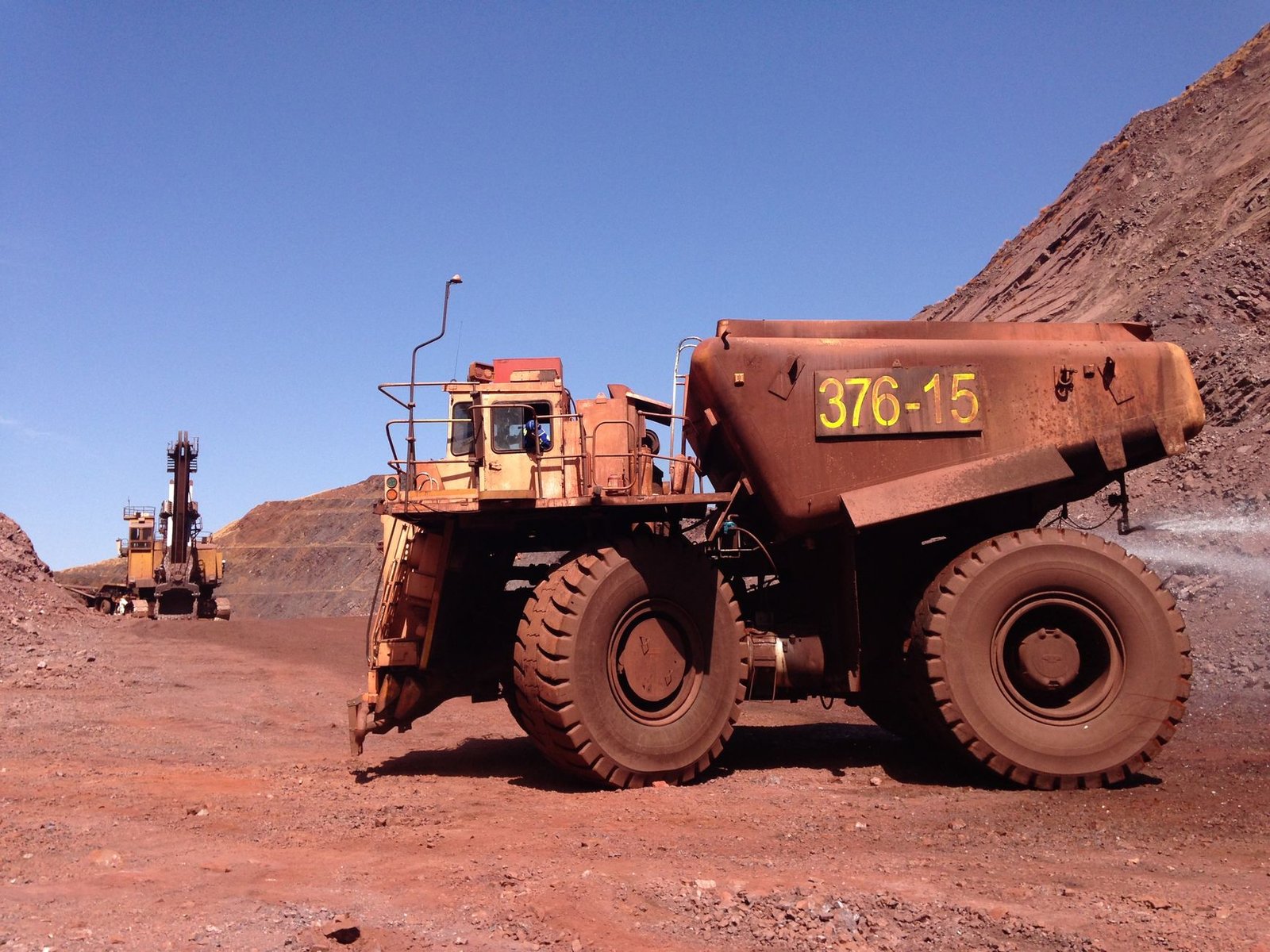
Africa holds a pivotal share of the world’s critical minerals, raw materials now vital for the global energy transition and the digital revolution. A significant conference held on July 27, 2026, titled « Africa at a Crossroads: Navigating Global Geopolitical Competition in the Era of Critical Minerals », underscored the immense challenges ahead. Public policymakers, experts from the extractive industry, and civil society representatives convened to discuss a strategic shift that is fundamentally reshaping the continent’s economic and security landscapes.
Geopolitical competition redefines Africa’s political economy
Global demand for essential elements like cobalt, lithium, nickel, graphite, and rare earths is surging, driven by the electrification of transport and the expansion of digital infrastructure. Africa, home to nearly 30% of the world’s identified strategic mineral reserves, finds itself at the heart of a complex geopolitical game. Major global powers, including Washington, Beijing, and Brussels, alongside emerging players like Abu Dhabi, Riyadh, and Ankara, are actively pursuing bilateral partnerships, acquiring stakes, and offering substantial investments across the continent’s vital mining corridors.
Experts at the gathering emphasized that this intense competition is profoundly altering the continent’s political economy. Producing nations now wield unprecedented negotiating power. However, they remain vulnerable to fluctuating commodity prices and the allure of resource rents. Countries such as the Democratic Republic of Congo for cobalt, Guinea for bauxite, Zimbabwe for lithium, and Mozambique for graphite exemplify diverse national trajectories, where mineral wealth can either fuel industrial development or exacerbate instability. This highlights the critical importance of strong governance Africa.
Mining governance and security architecture under pressure
The issue of robust mining governance was a central theme throughout the discussions. Attendees highlighted that the majority of value addition from these resources is currently captured outside Africa. Refining, chemical processing, and battery manufacturing supply chains are predominantly concentrated in Asia, effectively confining producing nations to the extractive phase. Nevertheless, several recent initiatives are actively seeking to reverse this trend. A prime example is the landmark agreement between the Democratic Republic of Congo and Zambia, aimed at establishing a regional electric battery value chain.
Concurrently, the extraction of critical minerals frequently occurs in regions experiencing latent or active conflicts. Eastern Democratic Republic of Congo, the Sahel, and certain areas within the Gulf of Guinea exemplify a troubling convergence of abundant subsoil wealth and institutional fragility. This dynamic sustains a war economy, where armed groups exploit opaque export channels. Speakers advocated strongly for enhanced traceability mechanisms, similar to those championed by the Extractive Industries Transparency Initiative (EITI), and urged for more decisive pan-African coordination to address these challenges for society Africa.
Towards a second independence through local transformation
The concept of a « second independence » is gaining significant traction within African mining circles. This phrase encapsulates the continent’s aspiration to break free from a colonial legacy model, which saw Africa export raw materials only to import high-value manufactured goods. Achieving this vision concretely demands substantial investments in energy infrastructure, comprehensive training for engineers, the establishment of specialized economic zones for metallurgical processing, and a fundamental rethinking of mining taxation policies. This is crucial for African politics and economic independence.
Several nations are making strategic moves to implement this vision. Guinea, for instance, has mandated the construction of an alumina refinery on its territory as part of the colossal Simandou project. Zimbabwe took decisive action in 2022 by prohibiting the export of raw lithium. Meanwhile, Namibia and Botswana are actively exploring regulatory frameworks that would enforce a minimum threshold for local processing. These policy shifts, though occasionally met with apprehension from international investors, signify a clear doctrinal departure from the mining liberalism that characterized the 1990s.
Discussions also focused on the vital role of African financial institutions in structuring appropriate funding mechanisms for these ambitious transformation projects. The African Development Bank (AfDB) and Afreximbank are actively developing dedicated financial instruments, while Gulf sovereign funds are demonstrating increasing interest in African mining assets. The struggle for African mineral sovereignty will unfold both at the mine sites and within the financial markets. The conference affirmed that the strategic control of critical minerals now stands as a defining indicator of African power in the 21st century.