African leaders push for fair nuclear energy partnerships at kigali summit
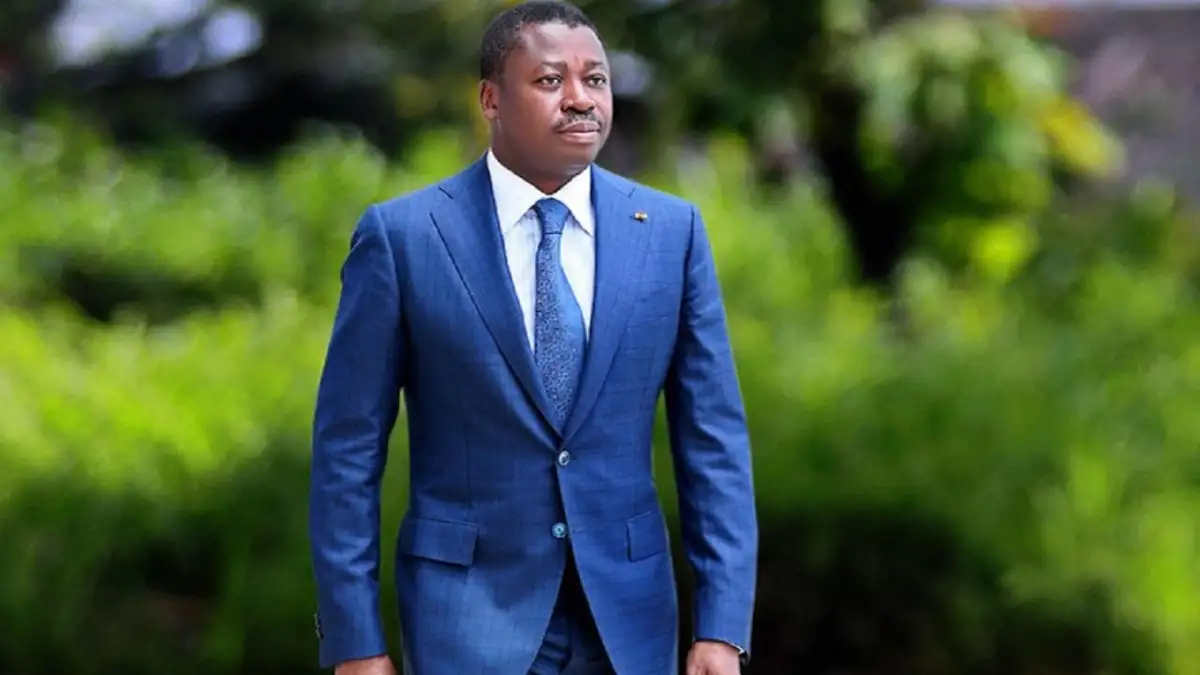
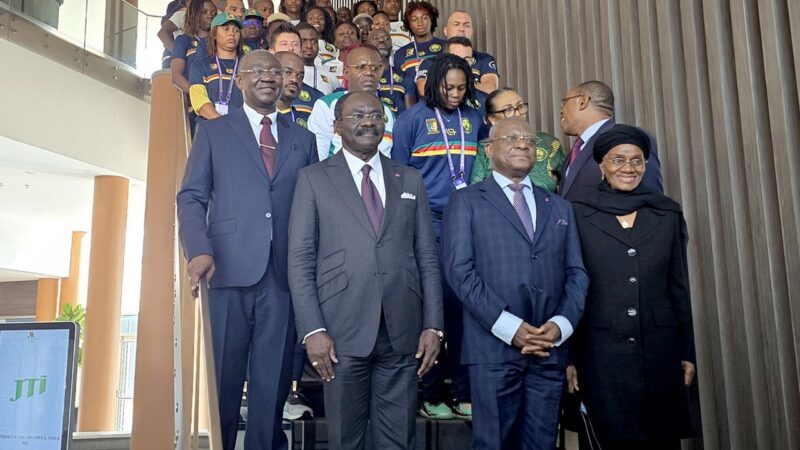
The Nuclear Energy Innovation Summit for Africa is currently underway in Kigali, the capital of Rwanda. High-level representatives from across the continent are convening to discuss the future of nuclear energy in Africa. On this pivotal occasion, Togolese President Faure Gnassingbé shared his vision for the continent’s nuclear ambitions, advocating for balanced collaborations between African nations and global nuclear stakeholders.
Speaking to delegates, President Gnassingbé emphasized a shift away from traditional aid-based models. « Africa does not seek handouts or technological charity. Instead, the continent offers a partnership—one built on mutual benefit, market potential, and a mature energy strategy », he stated.
African nations push for greater role in civil nuclear expansion
This bold stance arrives as multiple African countries accelerate their civil nuclear programs. Egypt, for instance, is constructing the El Dabaa nuclear power plant with international technical and financial support. Meanwhile, South Africa remains the sole African nation with an operational nuclear facility, the Koeberg plant.
According to the International Atomic Energy Agency, several African states are negotiating with foreign partners to expand nuclear power capabilities. The primary drivers include surging energy demand and persistent electricity access gaps across the continent.
Leveraging uranium reserves while addressing dependency challenges
Africa holds significant uranium reserves, a critical resource for nuclear fuel. Countries like Niger and Namibia are key producers of this mineral, yet most African nations still rely on foreign expertise for nuclear technology deployment, including reactor design, construction, and operational management.
Workforce development, regulation, and financing: the pillars of nuclear growth
Key discussions at the summit centered on the prerequisites for successful nuclear projects in Africa. Experts underscored the urgent need to strengthen human capital through specialized training programs for nuclear engineers and safety personnel. Establishing independent regulatory bodies was highlighted as a non-negotiable step before any civil nuclear infrastructure can be developed.
The financial burden of nuclear projects—often spanning billions of dollars over decades—poses another critical hurdle for African governments. Moving forward, delegates are expected to finalize cooperation agreements and outline national nuclear development roadmaps for multiple countries.