Accusations against Africa corps over alleged arms drops in Mali
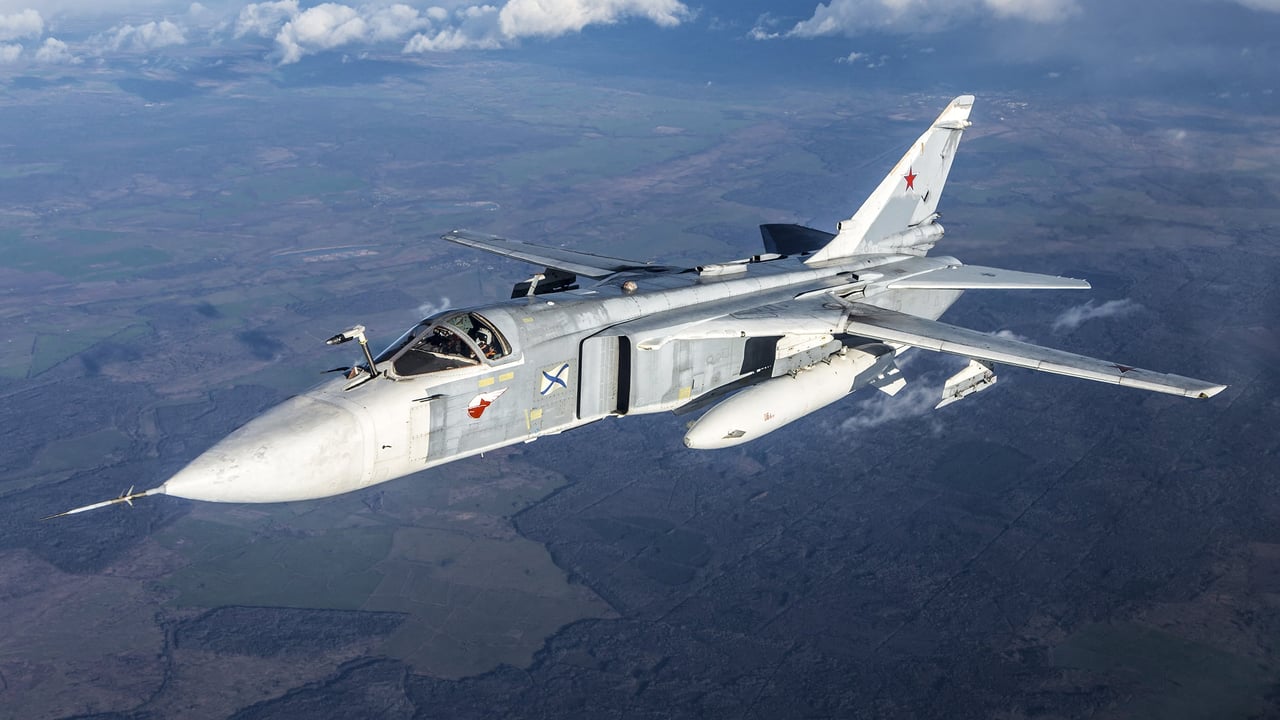

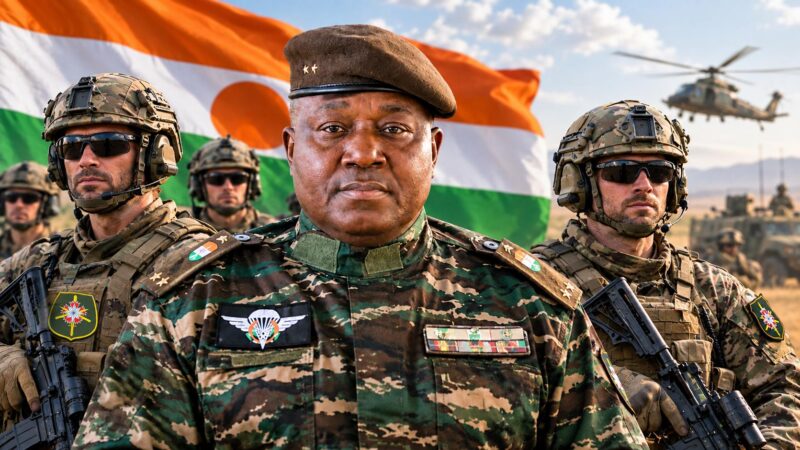
The Africa Corps, a Russian military formation active in Mali, stands accused of conducting a controversial operation involving the airdropping of explosive submunitions over civilian-populated areas. Residents and local officials report that unmarked cargo planes released these hazardous payloads, raising serious concerns about the targeting accuracy and potential civilian harm.
Allegations of indiscriminate bombing in Mali
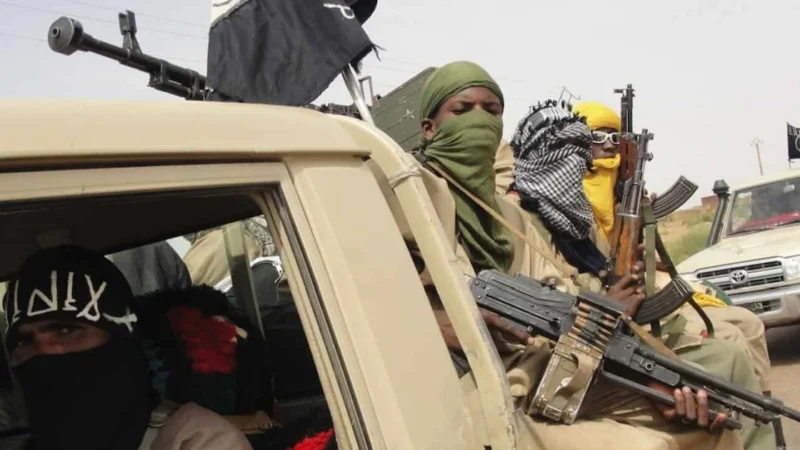
Witnesses in several villages near conflict hotspots describe seeing large aircraft releasing clusters of small, parachute-equipped munitions. These devices, designed to scatter over wide areas, are notorious for their inability to distinguish between combatants and civilians. The Jama’at Nusrat al-Islam wal Muslimin (JNIM), a militant group operating in the region, has condemned the action as a deliberate violation of international humanitarian law.
Local authorities in Mali have launched investigations to verify the claims. Early findings suggest that the airdrops occurred in remote areas, but the potential for civilian casualties remains high due to the unpredictable nature of submunition dispersal. JNIM representatives have urged the international community to intervene, calling the incident a war crime.
International response and implications
The alleged involvement of the Africa Corps—part of Russia’s broader military engagement in Mali—has drawn sharp criticism from human rights organizations. Analysts warn that such tactics could exacerbate instability in the Sahel, where armed groups already exploit local grievances to expand their influence. The use of cluster munitions, prohibited under international conventions, further isolates the military coalition supporting Mali‘s transitional government.
Moscow has yet to respond publicly to the accusations. However, officials in Mali insist that all military operations comply with national and international laws. Meanwhile, displaced communities express growing fear over the escalation of violence and the lack of accountability for such alleged breaches.
What are cluster munitions and why do they matter?
- Cluster munitions are weapons that release multiple smaller explosives over a large area, often failing to detonate on impact. These unexploded ordnances pose long-term threats to civilians, particularly children, who may mistake them for toys.
- International conventions, including the Convention on Cluster Munitions (2008), prohibit their use due to the indiscriminate harm they cause.
- Despite global bans, some states and non-state actors continue to deploy them, citing military necessity.
The unfolding situation in Mali underscores the urgent need for transparency and adherence to humanitarian principles in conflict zones. As investigations proceed, the international community watches closely, wary of a potential deepening crisis in the region.