Three years after Niger coup: promises unmet, crises deepen
From Pledge to Reality: The Unfulfilled Security Promise
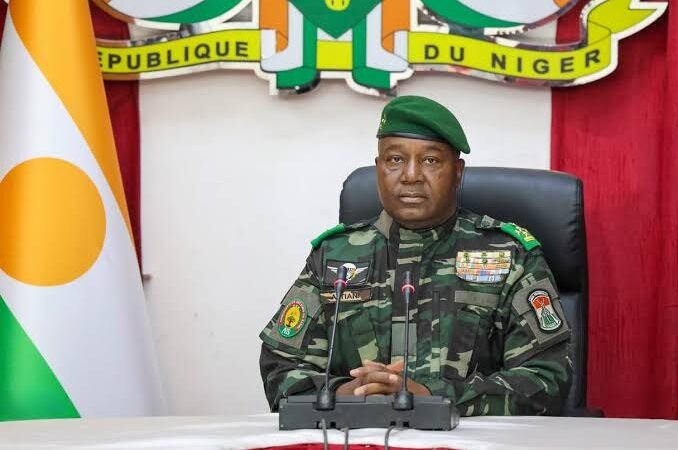
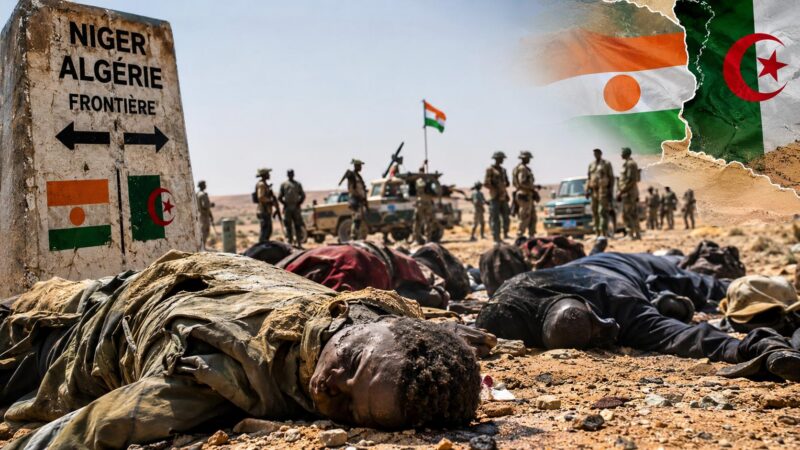
On July 26, 2023, General Abdourahamane Tiani justified his seizure of power by declaring Niger was trapped in an unstoppable security crisis. Three years later, the situation has not improved—it has worsened. Insurgent groups linked to the JNIM and the Islamic State in the Greater Sahara (EIS) have expanded their reach, launching attacks on military convoys, civilian villages, critical roads, and economic infrastructure. Entire regions now live under constant threat, forcing residents to abandon farmlands, shutter schools, and abandon health centers.
Displacement has surged. The United Nations estimates that over 500,000 people have been internally displaced since the coup, straining local resources and deepening humanitarian needs. The military response, though costly, has failed to stem the tide of violence, exposing the limits of a purely security-driven approach.
Military Spending Soars, but Security Gains Remain Elusive
The junta has reallocated a growing share of the national budget to defense, yet armed forces continue to face overwhelming challenges. A vast territory, multiple active fronts, and highly mobile insurgent groups strain logistics and personnel. Reports indicate rising casualties among soldiers and increased equipment wear, raising concerns about long-term sustainability.
Analysts point out that without addressing underlying economic and social grievances—youth unemployment, land degradation, and weak governance—the security crisis will persist regardless of military investment. The current strategy risks treating symptoms rather than causes.
Economic Contraction: Borders Closed, Prices Rising
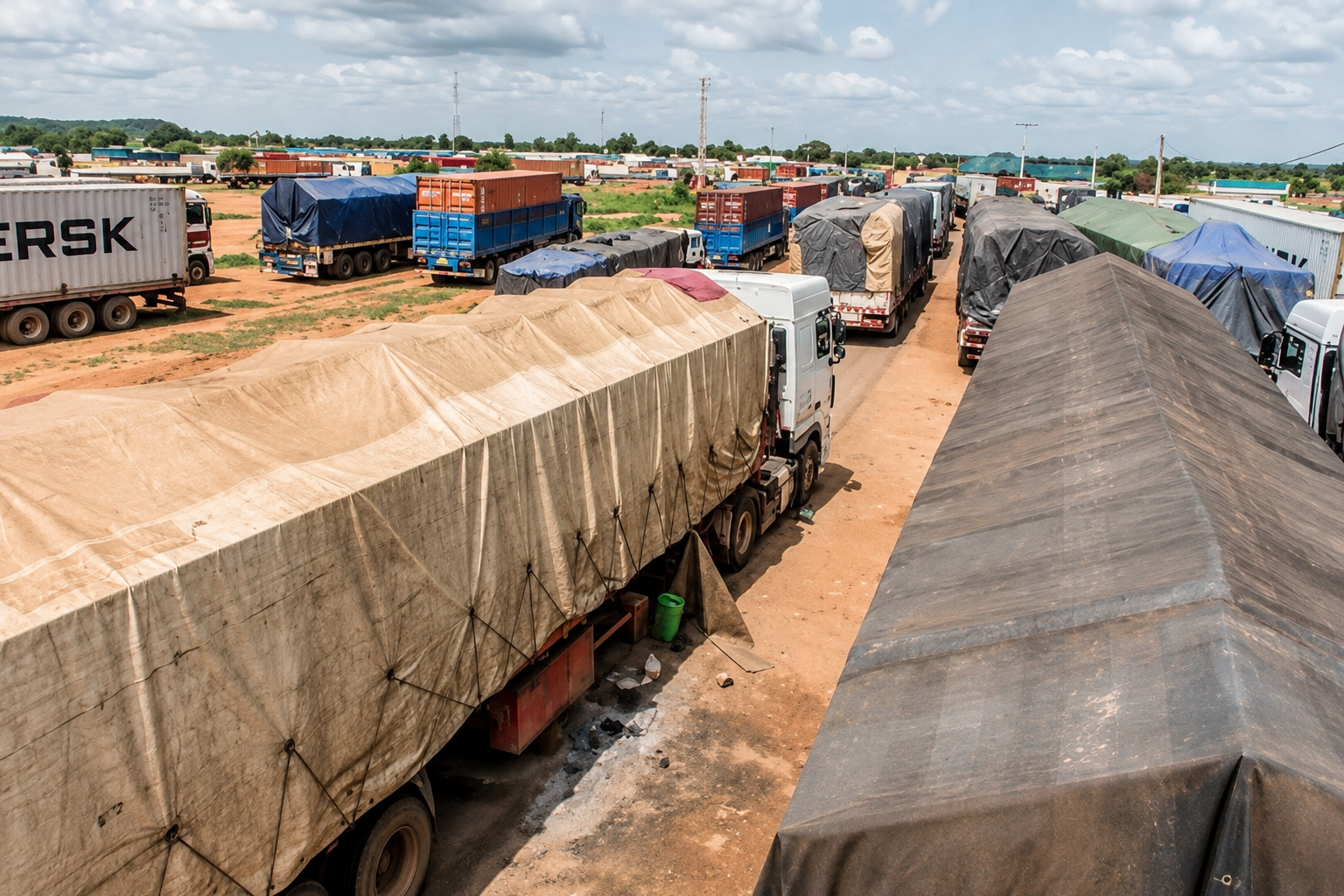
Niger’s economy, heavily reliant on regional trade via the Cotonou-Niamey corridor, has been severely disrupted. Border closures with Bénin and strained regional relations have led to delayed shipments, soaring transport costs, and frequent stockouts. Essential goods—food, medicine, construction materials—have seen sharp price increases, eroding household purchasing power.
Border towns like Gaya, once hubs of cross-border commerce, now face shuttered markets and idle warehouses. Transport companies, logistics firms, and small traders report dramatic declines in revenue. The state, too, suffers: reduced trade means lower tax receipts, limiting funds available for public services and development.
The Stalled Oil Pipeline: A Symbol of Broken Promises
The Niger-Bénin pipeline, set to transport crude from Agadem to the Sèmè port, was billed as a transformative project. Expected to generate billions in revenue, it was meant to fund schools, hospitals, and infrastructure. Yet diplomatic tensions with Bénin have frozen progress. Investors, wary of instability, have paused negotiations, leaving the pipeline in limbo.
Without this lifeline, Niger’s hopes for economic diversification and fiscal recovery have dimmed. The pipeline’s delay underscores how political decisions can derail even the most promising economic ventures.
Diplomatic Isolation: New Alliances, Old Problems
The military regime has abandoned long-standing partnerships with Western nations, instead embracing closer ties with Russia and joining the Alliance of Sahel States (AES) alongside Mali and Burkina Faso. While framed as a move toward sovereignty, this pivot has not resolved the country’s challenges.
International funding has dwindled, technical cooperation has been scaled back, and regional dialogue has grown strained. The CEDEAO, once a mediator, now faces its own crises, further complicating Niger’s diplomatic recovery. The result? A country more isolated, with fewer tools to address its mounting crises.
Sovereignty Revisited: From Dependence to Dependence
The junta celebrated the departure of French forces as a victory for national autonomy. Yet, in its place, new dependencies have emerged—particularly with Russian military contractors. While the regime touts strategic independence, the reality is a shift in external partners, not a reduction in foreign influence.
On the ground, security still relies on external support, raising questions about the sustainability of this new model. Has Niger truly regained control—or merely exchanged one form of dependency for another?Governance by Narrative: Blame Game vs. Real Solutions
Facing growing public discontent, the government has turned to a familiar tactic: deflecting responsibility. Official discourse frequently highlights conflicts with regional blocs, former allies, and international actors. This narrative, while effective in rallying nationalist sentiment, does little to address pressing daily concerns.
Nigeriens are grappling with soaring inflation, youth unemployment, collapsing public services, and food insecurity. For many, the gap between political rhetoric and lived reality has never been wider. Trust in institutions is eroding, and social cohesion is fraying.
A Cycle of Crisis: No End in Sight
Three years after the coup, Niger stands at a crossroads. The junta arrived vowing to restore security, defend sovereignty, and improve living standards. Instead, insecurity persists, the economy is faltering, and diplomatic isolation is deepening. The concentration of resources on military efforts, combined with regional tensions and structural economic weaknesses, has created a self-reinforcing spiral of decline.
Without a shift toward inclusive governance, economic diversification, and regional reconciliation, the cycle is unlikely to break. The people of Niger deserve stability—but the path forward remains obscured by unmet promises and entrenched crises.