Tchad transport revolution: modernising intercity travel after 66 years of independence
Tchad
Tchad transport revolution: modernising intercity travel after 66 years of independence
Sixty-six years after gaining independence, Tchad faces a critical challenge: reshaping its intercity transport network to boost the economy and ensure safe, reliable mobility for all citizens.

Six decades after independence, Tchad still grapples with a pressing dilemma: its vast territory and central African strategic location contrast sharply with an underdeveloped intercity transport system. Today, the government has placed transport modernisation at the forefront of national priorities. But what kind of system should emerge to connect N’Djamena to Moundou, Sarh, Abéché, Mongo, Faya-Largeau or Bol safely, reliably and comfortably?
From fragmented routes to a unified network
Stretching across 1.284 million km², Tchad’s sheer size makes travel between regions a major economic hurdle. Many journeys consume an entire day, and road transport remains the sole practical option. Decades of neglect have left the transport infrastructure crippled by inadequate roads and an absence of rail links. Even global financial institutions once warned that road transport dominates entirely, while scheduled intercity services remain unreliable.
Now, authorities aim to change this narrative. In March 2026, the government designated territorial unblocking, infrastructure upgrades and national and international connectivity as key transport sector objectives.
Building a structured intercity transport system
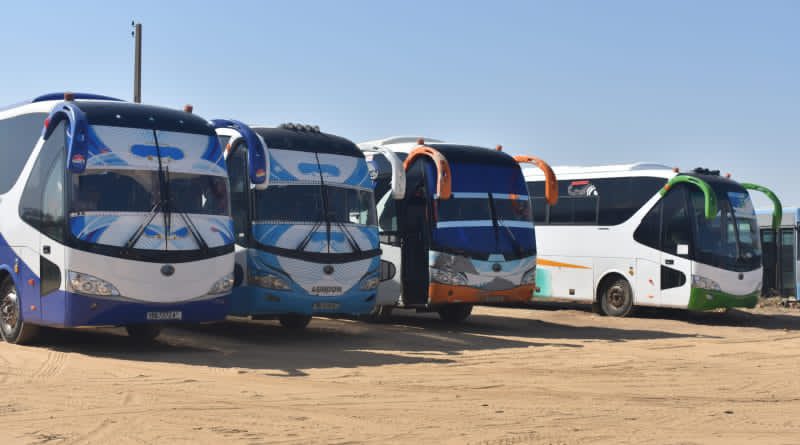
The solution lies not merely in adding more vehicles but in establishing a full-fledged intercity transport framework. This means regulated operators, modern bus stations, fixed schedules, ticketing systems, mandatory technical inspections, insurance coverage and driver training. Currently, travellers face a patchwork of private operators with inconsistent departure times, service quality and pricing.
Imagine a national network linking major corridors such as N’Djamena–Moundou–Sarh, N’Djamena–Mongo–Abéché, N’Djamena–Massakory–Bol and N’Djamena–Faya-Largeau. Daily departures and regulated fares would bring predictability to long-distance travel. The goal is not to establish a single state-run monopoly but to create a regulated environment where private operators deliver service under clear national standards.
Regional success stories offer valuable lessons. In Senegal, Dakar has transformed its public transport system through the Bus Rapid Transit (BRT), regional express trains and modern buses. The first phase introduced 400 new buses, 14 routes, two depots and over 30 km of upgraded roadways, prioritising seamless connections between modes of transport. Tchad could adapt this model locally, focusing on intercity routes rather than urban transit. Modern bus stations at major city exits, regional terminals and coordinated transfers would form the backbone of a national system.
Rwanda’s experience also highlights the benefits of structured reform. Between 2024 and 2025, Kigali expanded its public transport network from four to seven corridors and increased operators from three to thirteen. The government also procured 200 new buses, demonstrating how organisation and competition can improve service quality.
For Tchad, the message is clear: vehicle numbers matter, but punctuality, regulated competition and service standards matter more. A bus that departs on schedule with transparent pricing and clear destinations would be revolutionary for passengers. Yet intercity transport is more than a convenience—it is the lifeblood of commerce.
Connecting markets, people and opportunities
Consider the farmer in Moundou needing to transport produce to N’Djamena, the herder accessing markets, the student reaching university in Abéché or the patient reaching a hospital. Reliable transport underpins every aspect of daily life and economic activity. Upgrading roads must go hand-in-hand with investments in transport services.
In 2025, the World Bank approved $170 million to enhance connectivity in the Lake Tchad region. Projects include paving 55 km between Liwa and Rig-Rig, 12 km of access roads to Bol and 50 km of rural routes. These improvements must now be integrated into a cohesive national mobility strategy.
The future of rail in Tchad
Long-term planning must also consider rail transport. Given Tchad’s vast distances and high freight volumes, relying solely on trucks and buses is unsustainable. Rail could eventually link key economic hubs to regional trade corridors. The government has already included rail expansion in its transport sector action plan, though such projects demand substantial investment. For now, the immediate focus remains on road modernisation and professionalising bus services.
The path forward for Tchad is straightforward: build a tailored model around five priorities—all-season roads, professional operators, modern stations, road safety and affordable fares. Digital ticketing, vehicle tracking, regular technical inspections and published schedules would further enhance reliability.
After 66 years of independence, travelling between Tchadian cities should no longer feel like an expedition. Transport is the invisible engine of development. Without mobility, there is no national market; without a national market, economic integration cannot flourish. By 2030, Tchad must answer one simple question: how can every citizen move safely across the country at a reasonable cost and predictable time?
Only then will roads cease to be mere conduits and become true drivers of national progress.