Tchad: minister urges unity against intercommunal violence
Government calls for collective action to curb intercommunal conflicts
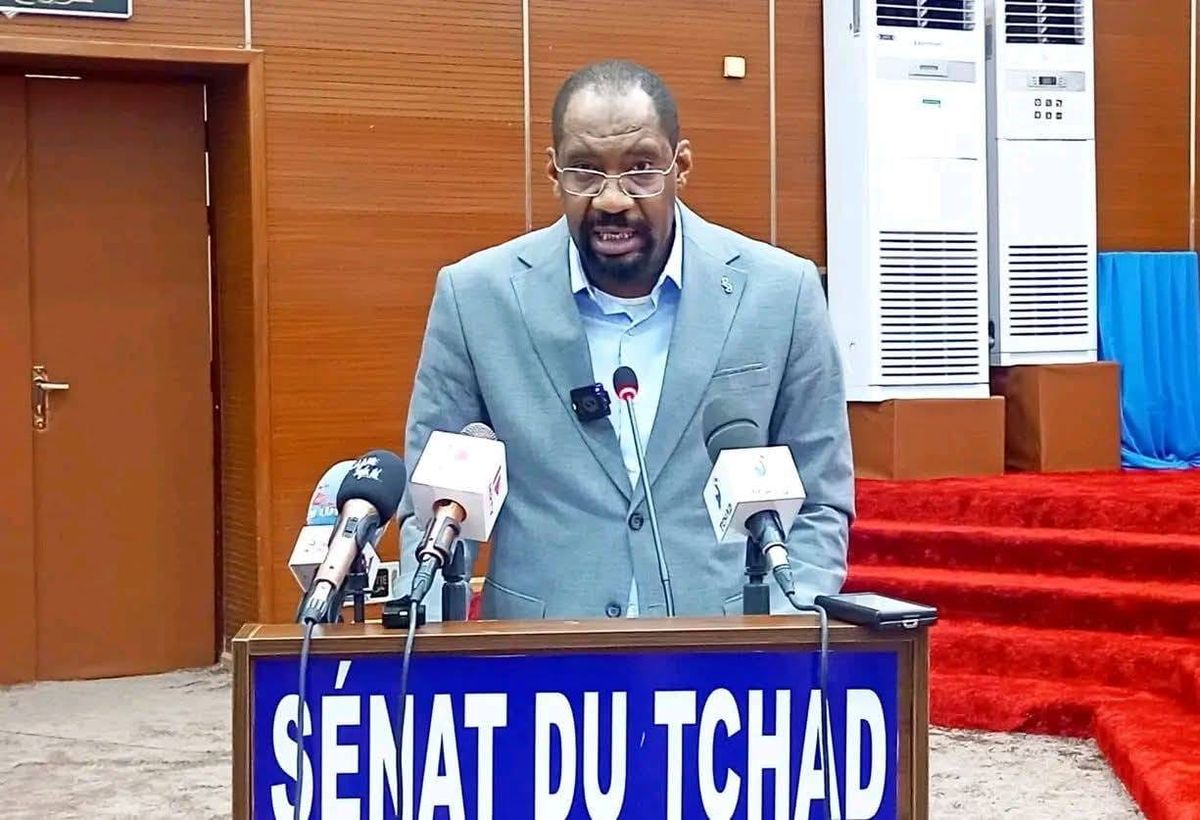
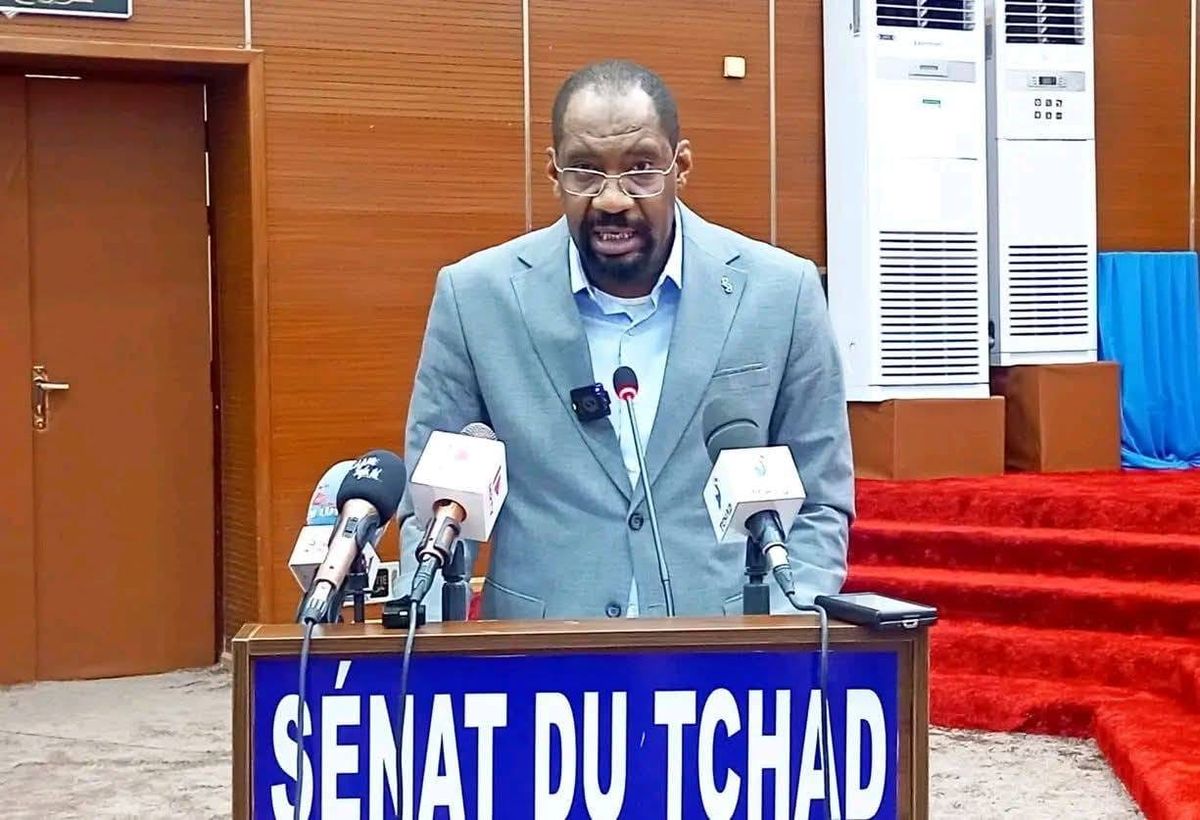
The Minister of Public Security and Immigration, General Ali Ahmat Aghabache, has called for a united front to tackle the rising tide of intercommunal violence that continues to plague Chad. Addressing the Senate this Monday, he emphasized that security challenges demand a holistic response involving all segments of society.
Under the leadership of Senate President Dr. Haroun Kabadi, the Upper House dedicated its plenary session to the country’s pressing security concerns. Senators raised critical questions about escalating intercommunal clashes and the persistent threats to national stability. In response, the minister provided a detailed account of government initiatives aimed at restoring peace and strengthening social cohesion across the nation.
Senate scrutinizes security challenges
The exchange between senators and the minister highlighted deep-rooted security issues in several provinces. Lawmakers underscored the urgent need for a more visible state presence in vulnerable areas, enhanced conflict prevention mechanisms, and bolstered operational capacities of defense and security forces. Their proposals reflected a shared determination to address the root causes of instability.
General Aghabache presented sobering statistics during the session, revealing that intercommunal violence claimed 318 lives and injured 3,015 people between 2024 and 2025. The human toll was compounded by extensive property damage, disrupting countless communities and undermining public trust in stability.
Government unveils security reinforcement plan
In response to these alarming figures, the government has rolled out a comprehensive security strategy. Key measures include intensified patrols in high-risk zones, the deployment of new motorized units to enhance mobility, and the recruitment of 1,000 additional police officers and 1,000 gendarmes to expand national coverage. The minister stressed that these efforts are designed to bring security forces closer to communities while ensuring rapid intervention at the first signs of tension.
The minister also highlighted the importance of integrating community dialogue, local mediation, and public awareness campaigns into the broader security framework. He cautioned that effective peacebuilding cannot rely solely on enforcement; it requires the active participation of traditional leaders, religious figures, and civil society to foster lasting reconciliation. His remarks underscored the government’s commitment to a multi-faceted approach that addresses both immediate threats and underlying grievances.
As the plenary session concluded, both the Senate and the government reaffirmed their shared resolve to safeguard peace, preserve national unity, and protect citizens across Chad. The discussions served as a stark reminder of the ongoing security challenges, while also signaling a renewed determination to confront them through coordinated action.