Tchad conference highlights provincial councils role in local development
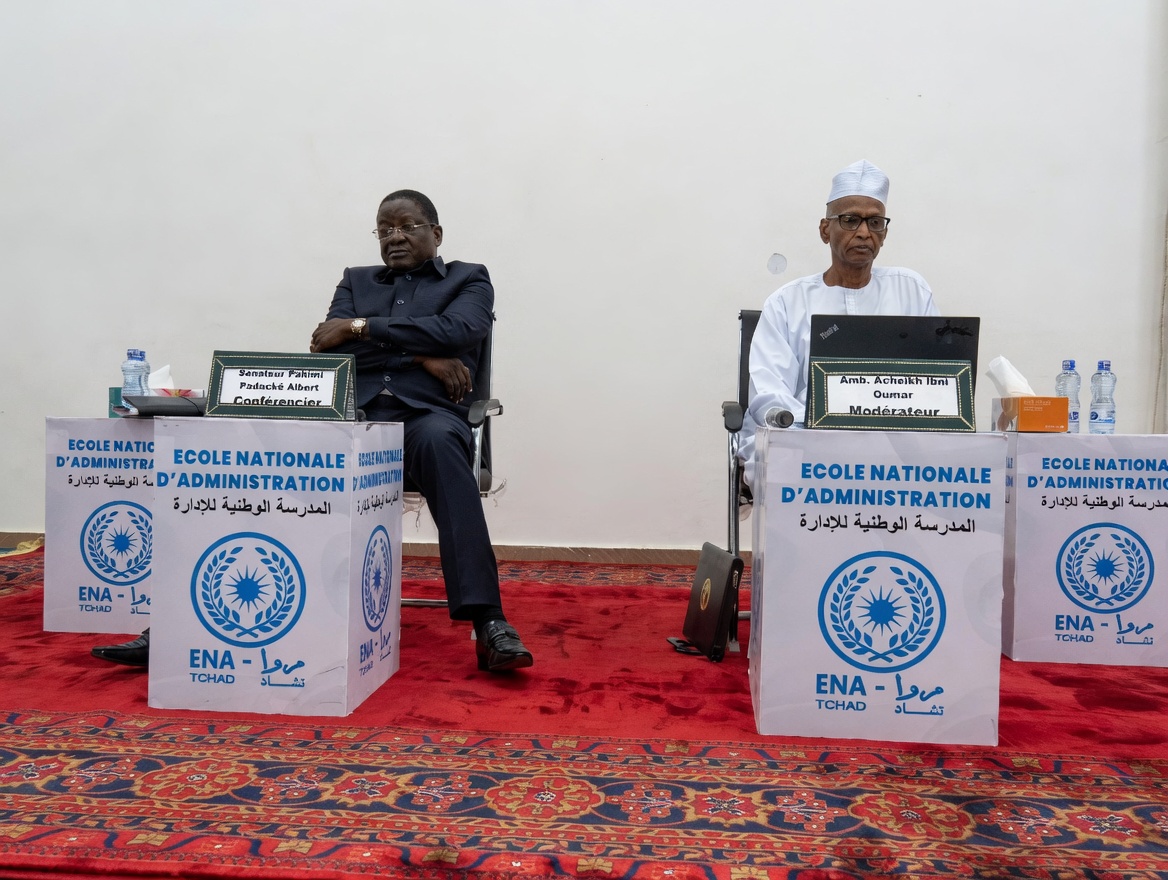
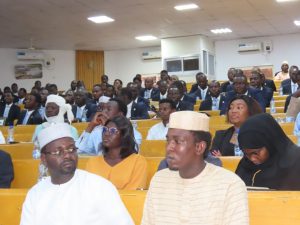
The École Nationale d’Administration (ENA) in N’Djamena hosted a high-impact debate on Friday afternoon, May 29, centered on a critical topic: the role of provincial councils in fostering local development through decentralization. The event, part of the Grands rendez-vous de l’ENA, drew a packed audience of students, civil servants in training, administrators, and political stakeholders.
The keynote speaker, Albert Pahimi Padacké—a seasoned politician, former Prime Minister, senator, and trained civil administrator—delivered an insightful and structured presentation. His address combined historical context with practical insights, captivating the room with a blend of realism and pedagogical clarity. He opened by expressing enthusiasm for discussing decentralization, a process he described as both urgent and transformative for Chad’s provinces.
Pahimi Padacké framed the discussion within Chad’s evolving political landscape. He traced the roots of decentralization to the 1993 Sovereign National Conference, which endorsed a unitary yet highly decentralized state model. This vision was later enshrined in the March 31, 1996 Constitution and reinforced in subsequent texts, including the December 29, 2023 Constitution of the Fifth Republic.
The debate revolved around three core themes:
- Legal and political foundations of decentralization as a driver of development;
- Existing obstacles preventing provincial councils from fulfilling their mandate; and
- Actionable solutions to position these councils as engines of local growth.
The constitutional principle of subsidiarity (Article 271) featured prominently in his remarks, emphasizing that governance should occur at the level closest to citizens. Pahimi Padacké cited Organic Law No. 28 of 2024, which transfers key competencies to provincial councils, though he noted the need for implementing regulations to clarify practical modalities.
In his assessment, Pahimi Padacké highlighted persistent challenges: delayed transfers of financial and human resources, weak technical and administrative capacity within councils, governance gaps, and coordination breakdowns between deconcentrated administrations and elected local bodies.
To overcome these hurdles, he proposed concrete steps: accelerating the transfer of revenue shares (including oil and tax proceeds) to provinces, enhancing training for elected officials and administrative staff, establishing robust monitoring mechanisms, involving civil society and development partners, and strictly applying the subsidiarity principle to ensure genuine—not symbolic—decentralization.
The former Prime Minister urged future administrators to embrace these challenges, stressing that effective decentralization is pivotal to balanced national development and bringing governance closer to the people.