Senegal political split as diomaye faye ends sonko’s term
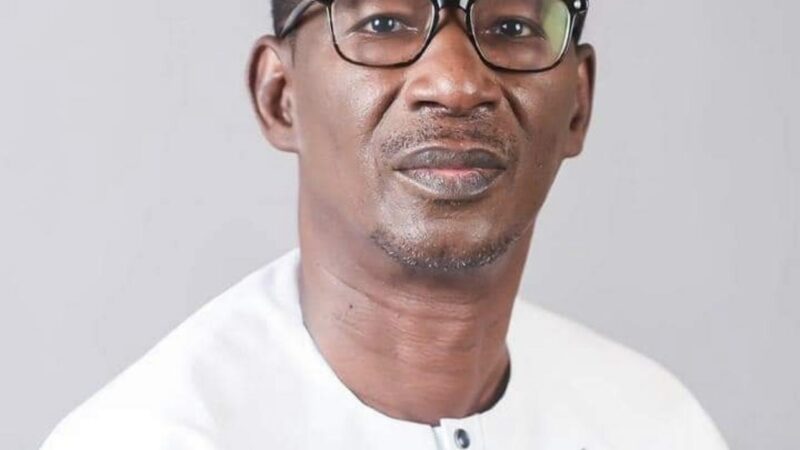
The long-anticipated political storm in Sénégal has finally broken. President Bassirou Diomaye Faye has terminated the appointment of Prime Minister Ousmane Sonko, marking the definitive end of a partnership that had dominated the country’s governance since March 2024. The founder of the Pastef party, once the engine behind the administration, now finds himself regrouping within the parliamentary arena—a domain where his party commands a solid majority following the snap legislative elections.
An executive partnership pushed to its limits
The Diomaye-Sonko tandem was hailed as a groundbreaking experiment in West African politics. The president, who ascended to power after his mentor’s disqualification, had pledged to govern collaboratively. The arrangement rested on a delicate balance: institutional legitimacy for Diomaye, partisan authority and grassroots support for Sonko. While supporters celebrated this model as a democratic innovation, the foundations of this partnership were inherently unstable.
Tensions escalated over time, fueled by disagreements on reform implementation, the handling of legal cases inherited from the previous administration, economic policy, and the pace of campaign promises. As President Diomaye consolidated his authority, the space for the Prime Minister contracted. The unyielding constitutional hierarchy in Sénégal, which places the head of state above all other institutions, offered no room for a dual leadership claiming shared ownership of the 2024 electoral mandate.
Sonko’s parliamentary pivot: a calculated shift of power
Dismissed from the executive branch, Ousmane Sonko has not retreated from the political stage. The Pastef leader retains a critical asset: control over the parliamentary majority secured in the legislative elections. By positioning himself within the National Assembly, he transforms the legislative body into a strategic base for institutional opposition against the presidency. This move echoes the playbook of African leaders who, once sidelined from executive power, leveraged parliamentary influence to sustain their political relevance.
This new dynamic presents President Diomaye Faye with a formidable challenge. He must now navigate a governing majority still aligned with his predecessor, drastically constraining his ability to pass legislation, approve budgets, or advance key reforms promised to voters. The appointment of a new cabinet and the fate of critical initiatives—such as renegotiating oil and gas contracts or reviewing public finances—hang in the balance, contingent on an unprecedented power struggle within the ruling party.
Implications for Sénégal’s democratic experiment
The rupture between Diomaye and Sonko extends beyond personalities. It poses fundamental questions about the future of the sovereignist agenda championed by Pastef, including renegotiating hydrocarbon contracts, reconsidering the franc CFA’s role, auditing public finances, and reshaping migration policy. International partners, from the International Monetary Fund to investors in oil fields like Sangomar and Grand Tortue Ahmeyim, are closely monitoring Sénégal’s institutional stability—long regarded as a democratic beacon in the region.
On the regional stage, the timing of this split is particularly sensitive. As the Economic Community of West African States (ECOWAS) attempts to rebuild cohesion after the withdrawal of Sahelian states from the Alliance of Sahel States, Dakar’s role as a mediator—once championed by President Diomaye—risks being undermined by domestic turmoil. The president’s next move will determine whether he can assemble a stable government or whether Sonko’s loyal base, rooted in the Pastef grassroots, will take to the streets to voice their discontent.
Sénégal now stands at a crossroads. The outcome of this political upheaval will shape the trajectory of the country’s second democratic transition—a chapter whose consequences will resonate far beyond its borders.