strengthening Mali’s healthcare system for better access
Following the launch of the first National Health Month, Malian authorities aim to bridge gaps in healthcare access.
Updated on
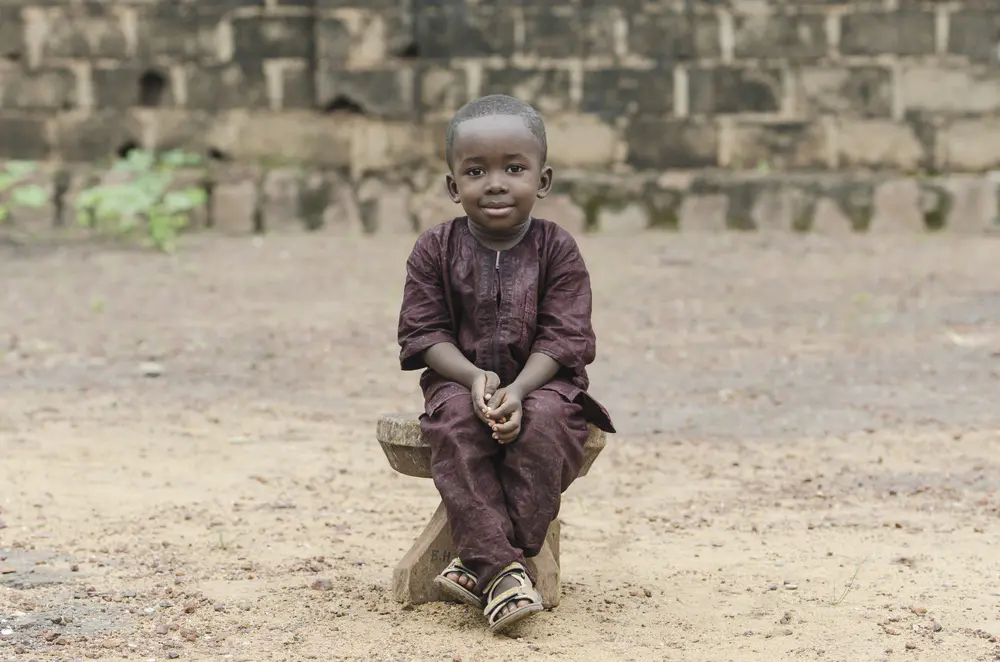
Healthcare access in Mali remains unequal, with rural and conflict-affected regions facing the biggest challenges. The 2012 security crisis further strained an already fragile system, leaving many—especially young children, pregnant women, and war-wounded individuals—without timely medical care.
In response, Malian authorities are prioritizing health sector reforms despite ongoing security concerns. The launch of November’s inaugural National Health Month marks a pivotal step, introducing expanded social protection programs to improve healthcare accessibility nationwide.
“Population health improvement is a government priority. I commend Minister Diéminatou Sangaré for this initiative, which creates a vital communication platform for system actors and beneficiaries alike, clarifying roles and responsibilities.” stated interim Prime Minister Abdoulaye Maïga during the program’s kickoff.
children’s health: a top national concern
The Prime Minister emphasized the urgency of these efforts, noting that key health targets remain unmet. Shocking statistics reveal the scale of the challenge: “Infant mortality stands at 54 deaths per 1,000 live births, 33% of deliveries occur outside health facilities, and only 45% of children aged 12-23 months receive all basic vaccinations,” Maïga reported.
“One in three children under five suffers from growth delays, and just 40% of infants under six months are exclusively breastfed.” He also highlighted widespread gaps in health system awareness, which exacerbate access barriers.