Strengthening human rights protection mechanisms in the Sahel’s three-border zone
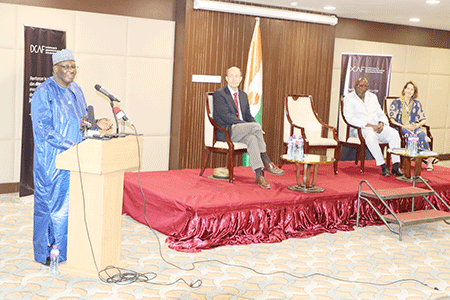
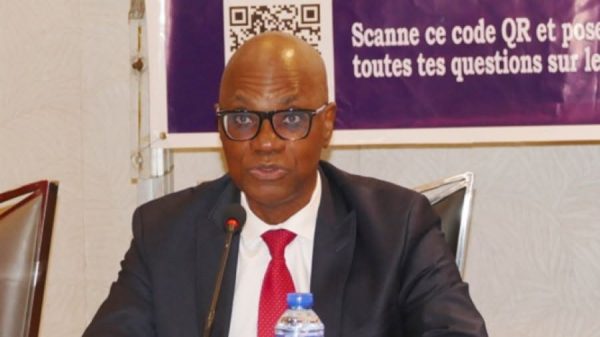
In Niamey, the President of the Commission Nationale des Droits Humains (CNDH), Maty El Hadj Moussa, recently inaugurated a regional conference dedicated to safeguarding human rights within the volatile Sahel region. The summit specifically addressed the security challenges faced in the “three borders” area encompassing Burkina Faso, Mali, and Niger. High-level attendees included the Deputy Secretary General of the Ministry of Justice, the Africa Director of DCAF, and the German Ambassador to Niger.
Objectives of the regional dialogue
Spanning two days, this meeting aims to educate stakeholders on optimal human rights protection strategies while enhancing their ability to use preventative tools against violations. Furthermore, the conference seeks to bolster the rule of law and governance by empowering both internal and external oversight institutions to fulfill their mandates effectively during times of crisis.
The reality of insecurity in the border regions
During the opening remarks, Maty El Hadj Moussa highlighted the severe human rights infractions occurring where the borders of Mali, Burkina Faso, and Niger meet. He noted that terror is being spread not only by unidentified armed groups but also, in some instances, by security forces engaged in counter-insurgency efforts. Moussa described the situation as an asymmetric conflict where civilians endure unprecedented violence, often living alongside the very enemies who threaten them, making any form of denunciation extremely dangerous.
The CNDH President emphasized that the persistence of this instability requires human rights advocates to develop innovative solutions that align with the public’s desire for peace, safety, and regional stability.
Collaborative efforts and international support
Moussa Sahirou Tchida, representing the Ministry of Justice, pointed out that regional initiatives depend on a unified approach from all stakeholders. He expressed gratitude for the support provided by international partners, particularly European Union member states, whose assistance was vital in organizing the event. He reaffirmed a commitment to working together on all projects aimed at stabilizing the three-border territory.
Anne Benette, Africa Director at DCAF, observed that the Sahel is currently grappling with a complex mix of political, humanitarian, and environmental crises. This growing insecurity and communal tension are damaging the social fabric. She stated that the conference serves as a critical platform for sharing successful practices and learning how to better respond to threats against the rule of law.
Adding to this perspective, Herman Nicolai, the German Ambassador to Niger, warned that the Sahel is experiencing a faster rise in violence than any other part of the continent. He cited a decade of escalating conflict involving extremist groups and organized crime, which has resulted in thousands of deaths and massive internal displacement.