Senegal’s president sacks prime minister ousmane sonko amid rising tensions
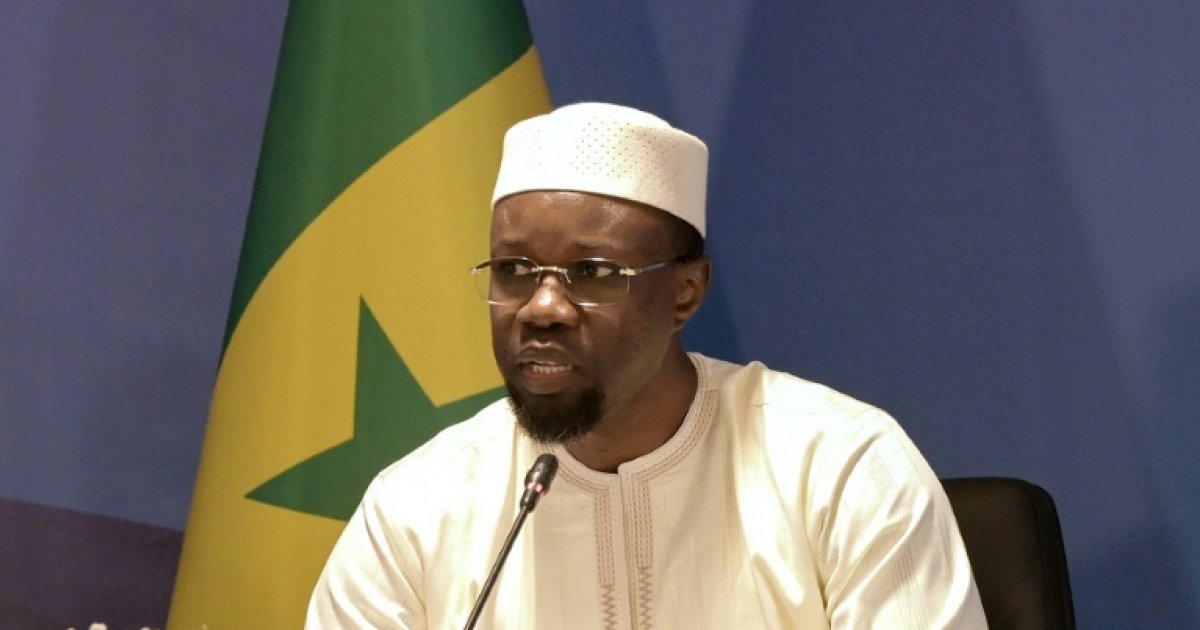
Senegal’s President sacks Prime Minister Ousmane Sonko amid deepening political rifts
President Bassirou Diomaye Faye of Senegal has terminated the tenure of Prime Minister Ousmane Sonko, his former ally and political partner, in a decisive move that reshapes the nation’s leadership landscape. The announcement, delivered via state television by the presidential secretary-general Oumar Samba Ba, declared the dismissal of all government ministers, including Sonko, with immediate effect.
The outgoing administration has been tasked with handling routine state affairs until a new government is formed. While the president’s statement did not specify a successor, it underscored the abrupt end to a partnership that once united a broad coalition of supporters.
From opposition to power: the rise and fall of a political alliance
Ousmane Sonko, once a vocal critic of former President Macky Sall’s government, faced a ban from the 2024 presidential race due to a defamation conviction that stripped him of civic rights. In a strategic shift, he endorsed Bassirou Diomaye Faye to contest the election in his place—a decision that ultimately brought both men to power.
Sonko’s fiery panafricanist rhetoric resonated deeply with Senegal’s disillusioned youth, particularly during protests against Sall’s attempt to seek a controversial third term. Their collaboration was cemented under the slogan “Diomaye Moy Sonko”—“Diomaye is Sonko” in Wolof—symbolizing a unified political front.
However, months of escalating tensions between the two leaders have now culminated in this high-stakes separation.
public reaction and political fallout
Sonko’s dismissal triggered spontaneous celebrations among his supporters, who gathered outside his Dakar residence late Friday evening. In a public statement on Facebook, Sonko expressed relief, declaring, “Alhamdoulillah. Tonight, I will sleep peacefully in Keur Gorgui.”
Earlier that day, Sonko had criticized Western influence in African affairs during a parliamentary address, condemning what he described as attempts to impose LGBTQ+ rights on predominantly Muslim nations. This came shortly after Senegal’s government passed a law increasing penalties for same-sex relations.
The growing rift between President Faye and Prime Minister Sonko became increasingly visible in recent months, raising doubts about their ability to sustain a productive working relationship.
parliamentary dominance and future electoral implications
Sonko’s political party, Pastef, maintains a commanding majority in Senegal’s National Assembly following landslide victories in the November 2024 legislative elections. Recent parliamentary reforms, approved by the president, cleared the way for Sonko to run in the 2029 presidential race—despite lingering legal controversies over his eligibility stemming from his prior conviction.
The Constitutional Council rejected Sonko’s appeal in July 2025, reigniting debates over his political future. Yet, by winning a parliamentary seat in November 2024 and later waiving it to remain Prime Minister, his party argues he retains eligibility for higher office. Local elections are slated for 2027, with the presidential vote following in 2029.
Meanwhile, President Faye’s popularity has not matched Sonko’s, though his “Diomaye Président” movement continues to gain ground, hinting at potential ambitions for 2029.
economic challenges and governance priorities
The administration inherits a severe economic burden, with national debt soaring to 132% of GDP—one of the highest in sub-Saharan Africa, according to IMF estimates. The new government has accused the previous administration of concealing the true state of public finances, which led to the suspension of a $1.8 billion IMF support program in 2024.