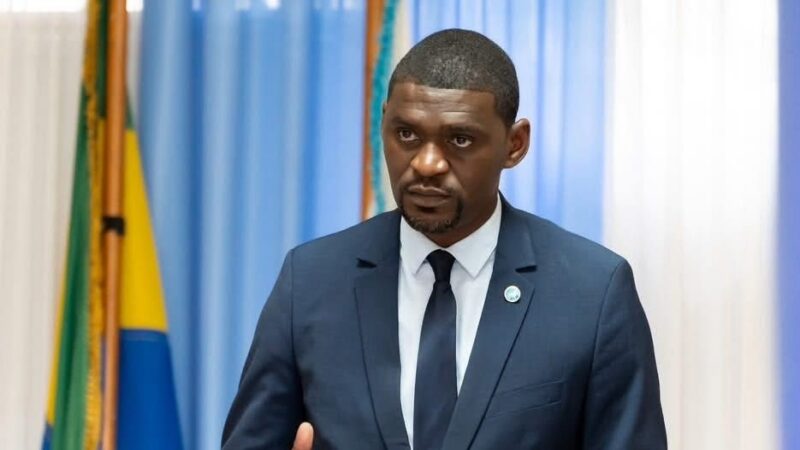
Senegal president sacks pm ousmane sonko amid political tensions
President Bassirou Diomaye Faye of Senegal has dismissed Prime Minister Ousmane Sonko, a move that follows months of escalating friction between the two leaders who rose to power together in April 2024, buoyed by widespread public optimism.
In a televised address delivered by the President’s Secretary-General, Oumar Samba Ba, it was announced that “the functions of Mr. Ousmane Sonko as Prime Minister, and consequently those of the ministers and secretaries of state in the government, have been terminated.”
The outgoing cabinet has been instructed to manage current affairs until further notice, though no timeline was provided for the appointment of a successor.
Since President Faye took office, the relationship between the head of state and his former mentor—once a charismatic figure whose influence was instrumental in securing their electoral victory—has deteriorated visibly. Sonko, a vocal critic of former President Macky Sall (2012–2024), was barred from running in the 2024 election due to a defamation conviction that stripped him of his civil rights. Instead, he endorsed Bassirou Diomaye Faye as his replacement in the presidential race.
a sudden political shift
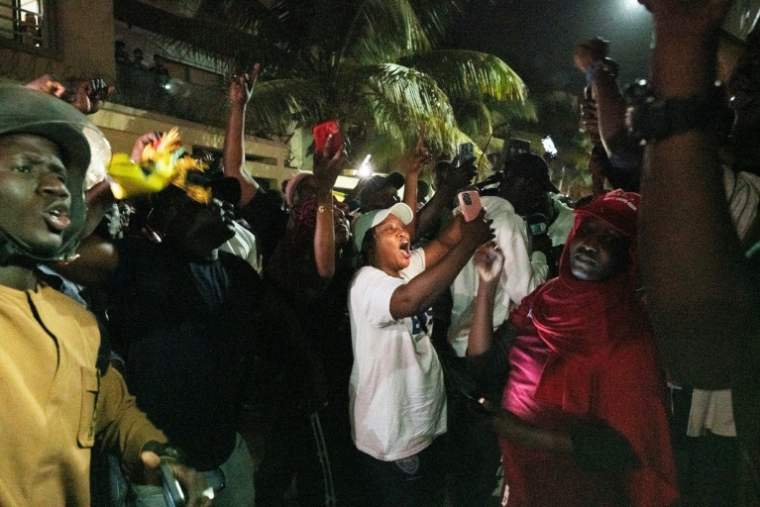
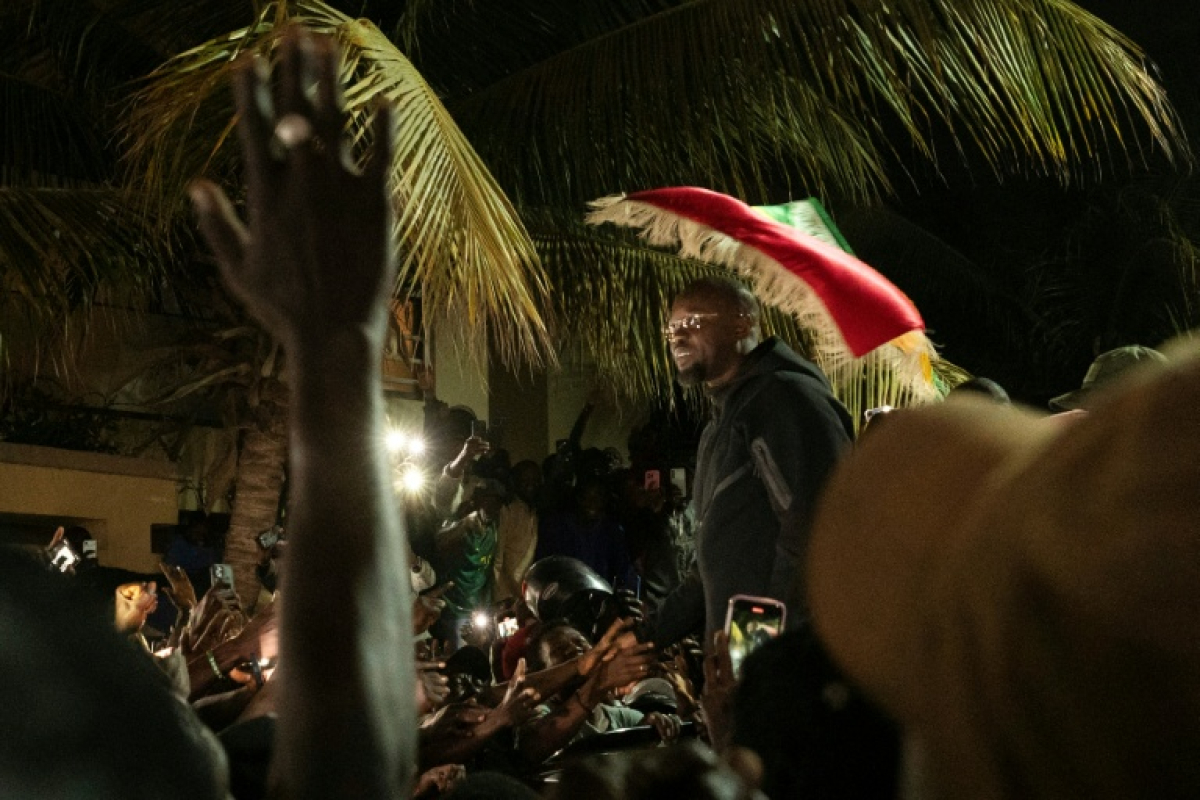
Upon learning of his dismissal, Ousmane Sonko returned to his Dakar residence, where supporters had gathered in large numbers to celebrate his removal. The former Prime Minister, known for his fiery panafricanist rhetoric, had cultivated a passionate following among Senegal’s disillusioned youth, many of whom had endured brutal crackdowns during protests against Macky Sall’s potential bid for a third term.
Sonko and Faye, both released from prison under a broad amnesty just months before the 2024 election, had campaigned under the slogan “Diomaye Moy Sonko”—meaning “Diomaye is Sonko” in Wolof—a rallying cry that underscored their political alliance.
public reaction and political fallout
Within hours of the announcement, Sonko shared a message on his Facebook page: “Alhamdoulillah. Tonight, I will sleep peacefully in the Keur Gorgui district,” where he resides. Later that night, he appeared before a jubilant crowd of hundreds who had gathered to cheer his return.
Earlier in the day, Sonko had taken the floor in Parliament, denouncing Western “tyranny” and accusing foreign powers of attempting to “impose homosexuality” on Senegal, a predominantly Muslim nation in West Africa. This statement came shortly after the government passed legislation increasing penalties for same-sex relations.
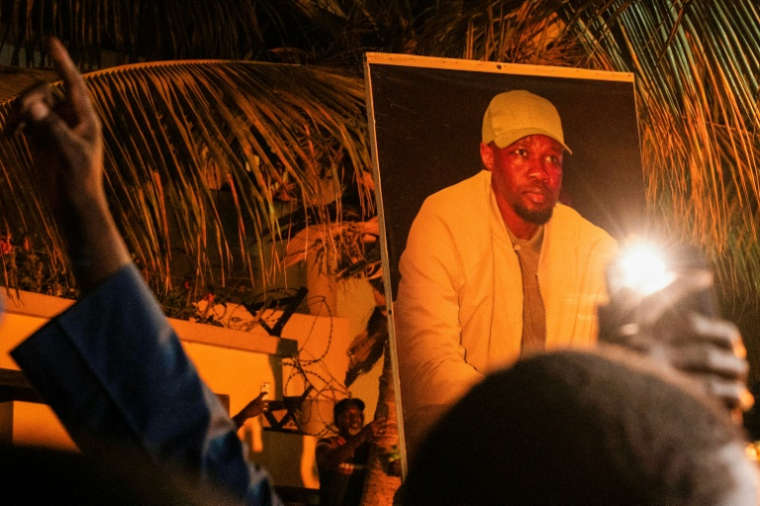
The rift between President Faye and Prime Minister Sonko had become increasingly apparent in recent months. In early May, the President publicly criticized what he described as the Prime Minister’s “excessive personalization” of the ruling party.
“As long as he remains Prime Minister, it is because he has my trust. When that is no longer the case, there will be a new Prime Minister,” Faye stated in a televised interview, signaling the end of his patience with Sonko’s growing political ambitions.
looming elections and economic backdrop
Sonko’s party commands a strong majority in Senegal’s National Assembly following the November 2024 legislative elections. Late last month, Parliament approved a controversial electoral reform bill—widely condemned by the opposition—that paves the way for Sonko’s potential presidential run in 2029.
President Faye, though lacking the same level of popular enthusiasm as his former ally, has steadily built support through the “Diomaye Président” movement, fueling speculation about his own intentions for 2029.
Economic challenges loom large as well. According to the International Monetary Fund, Senegal ranks as the second most indebted country in sub-Saharan Africa, with public debt reaching 132% of GDP—an issue inherited from the previous administration. In 2024, the new government accused the outgoing administration of concealing this reality, leading to the suspension of a $1.8 billion IMF support program.