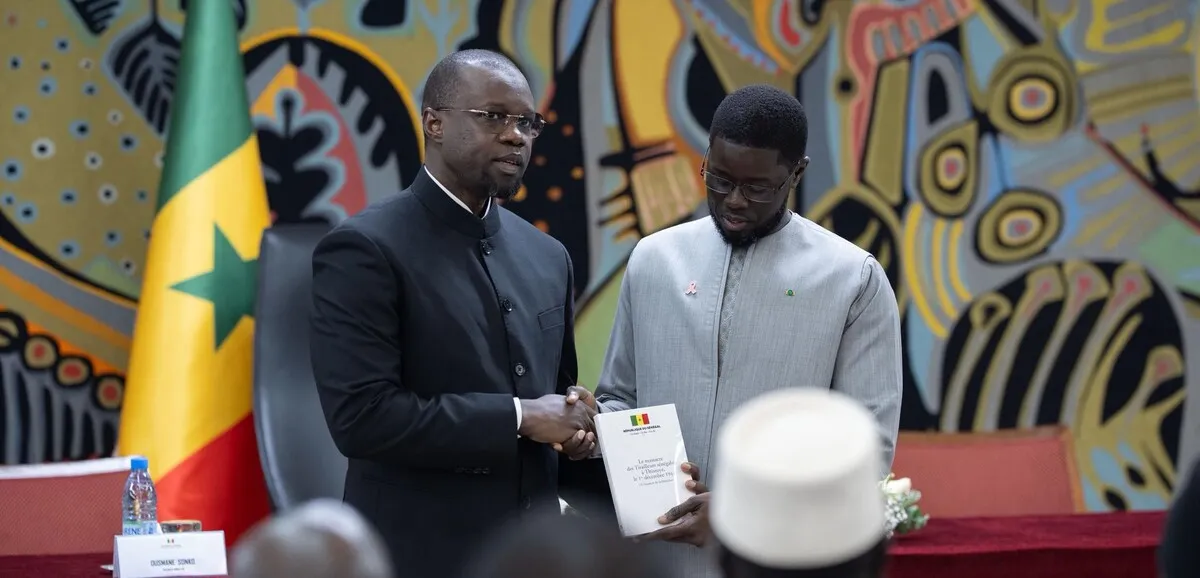
Political comeback: Sonko elected Assembly president days after dismissal
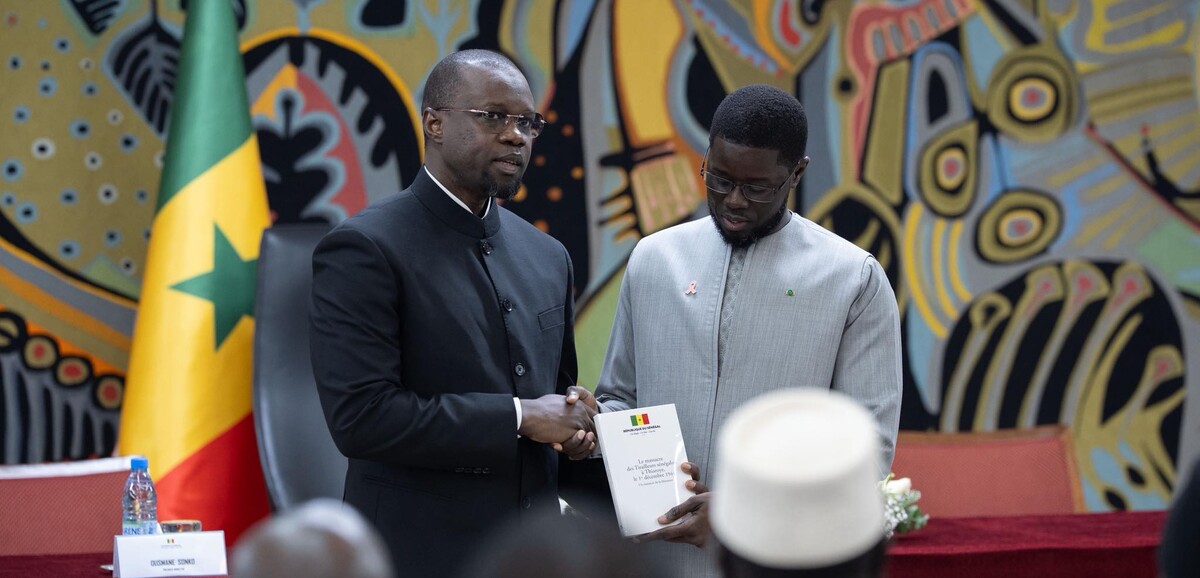
Just five days after his removal from the prime minister’s office, Ousmane Sonko has been elected president of Senegal’s National Assembly. The move follows his reinstatement as a lawmaker after leading the winning electoral list in 2024—a position he initially chose to forgo in favor of the premiership.
The legal and constitutional validity of his reinstatement has sparked debate. While some question whether parliamentary procedures were strictly followed, others argue that the situation highlights the evolving dynamics of Senegal’s political landscape. Constitutional experts continue to analyze the implications of this rapid transition.
New prime minister appointed as President Faye reshapes government
In parallel, President Bassirou Diomaye Faye has appointed Amadou Al-Aminou Lo as the new prime minister. A seasoned economist and former central bank official, Lo brings technical expertise in monetary policy and financial markets—skills deemed critical in Senegal’s current economic climate.
Sonko, now Assembly president, publicly endorsed Lo’s appointment despite noting that the PASTEF party was not consulted. He emphasized the importance of dialogue moving forward, signaling potential cooperation between the ruling party and the opposition-led Assembly.
Sonko calls for unity while asserting PASTEF’s role
In his inaugural address as Assembly president, Sonko stressed that “you cannot have PASTEF without PASTEF,” underscoring the need for the party’s involvement in governance. He highlighted key policy priorities—economic reform, accountability, and justice—that align with PASTEF’s electoral platform, which resonated strongly with voters.
While some PASTEF members already serve in the government, Sonko’s remarks suggest that additional party figures may be integrated into the executive. His focus, however, remains on ensuring that government actions reflect the party’s core principles and the promises made to Senegalese citizens.
Economic crisis drives technical leadership choice
Lo’s appointment reflects a strategic shift toward technocratic governance. As a former central banker, he is well-versed in navigating financial challenges—a pressing concern amid global economic uncertainty. His prior collaboration with both President Faye and Sonko during their respective roles in government further strengthens his position to foster stability and continuity.
Whether this approach will satisfy the PASTEF caucus and broader public expectations remains to be seen. Sonko’s call for dialogue suggests a willingness to bridge divides, but the absence of PASTEF-affiliated ministers in the new government may signal challenges ahead.