Ousmane sonko Senegal’s national assembly president on cohabitation challenges
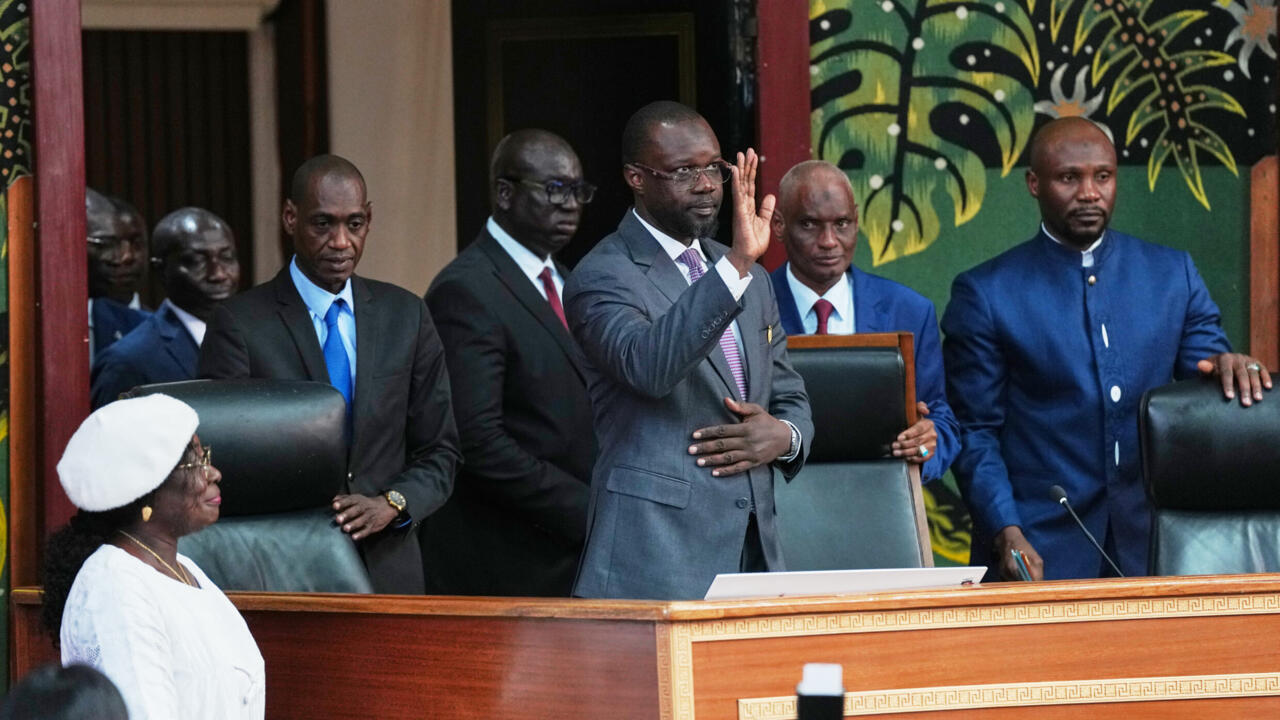
In Senegal, the political landscape has shifted dramatically with the election of Ousmane Sonko as president of the National Assembly. This development raises critical questions about how President Diomaye Faye will navigate a legislature now led by his former rival. The transition marks a pivotal moment for the country’s governance, with Sonko’s ascent signaling both challenges and opportunities for the nation’s democratic trajectory.
a new political dynamic
Ousmane Sonko’s victory in the assembly presidency vote has introduced an unprecedented scenario: a divided government where the executive and legislative branches are no longer aligned. Sonko, a prominent opposition figure, has made it clear that his leadership will not merely rubber-stamp decisions from the executive. His pledge to avoid institutional crises contrasts with his commitment to ensuring the assembly fulfills its oversight role, potentially reshaping the balance of power in Dakar.
cohabitation: balancing power and stability
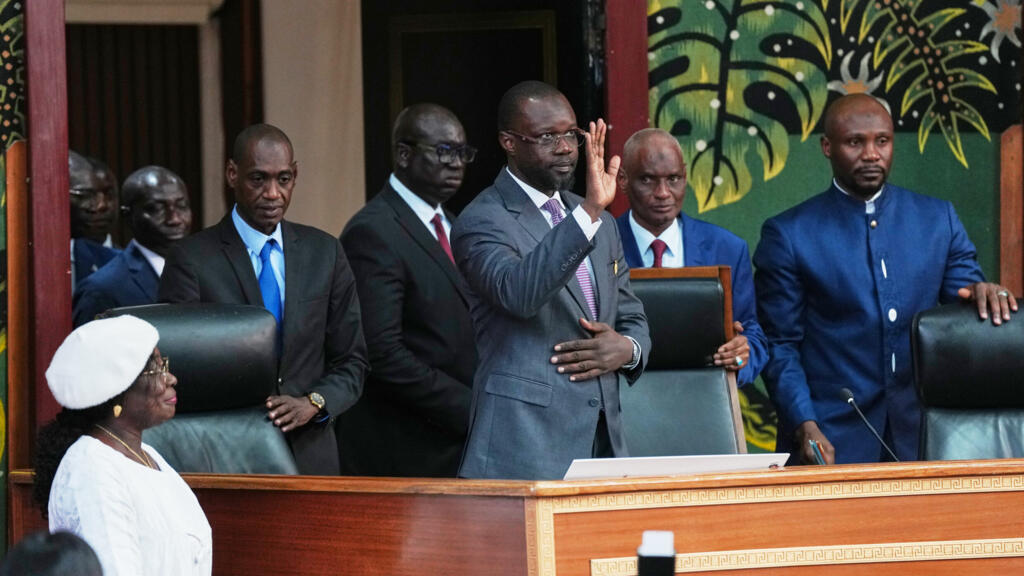
Sonko’s election has intensified discussions about cohabitation—a term used in Senegalese politics when opposing political forces share control of the executive and legislative branches. While historically rare in Senegal, cohabitation can either foster constructive dialogue or lead to persistent deadlock. Sonko emphasized that although tensions may arise, they need not escalate into full-blown crises. His statement, *“cohabitation can be very difficult, but it can also be peaceful,”* underscores the delicate task ahead: maintaining institutional stability while advancing policy objectives.
potential outcomes for Senegal
The political equation now hinges on whether Sonko and Faye can establish a functional working relationship. Key considerations include:
- legislative oversight: Sonko’s assembly may scrutinize government actions more rigorously, ensuring accountability.
- policy gridlock: If cooperation falters, legislative deadlock could stall critical reforms.
- early elections: Speculation persists about the possibility of dissolving the assembly and calling snap legislative elections to realign political forces.
Amid these uncertainties, political observers are closely monitoring Sonko’s next moves. His ability to balance assertiveness with restraint will determine whether Senegal’s democratic institutions can weather this period of transition without erosion of public trust.
expert perspectives on Senegal’s political future
Academics and analysts alike are weighing in on the implications of Sonko’s leadership. Mamadou Lamine Sarr, a political science professor at the Université Numérique Cheikh Hamidou Kane in Dakar, highlights the need for both branches to prioritize national interests over partisan gains. His assessment suggests that while challenges are inevitable, Senegal’s democratic resilience may ultimately benefit from this rare power-sharing arrangement.