Senegal political shift: who gains from the executive power rupture?
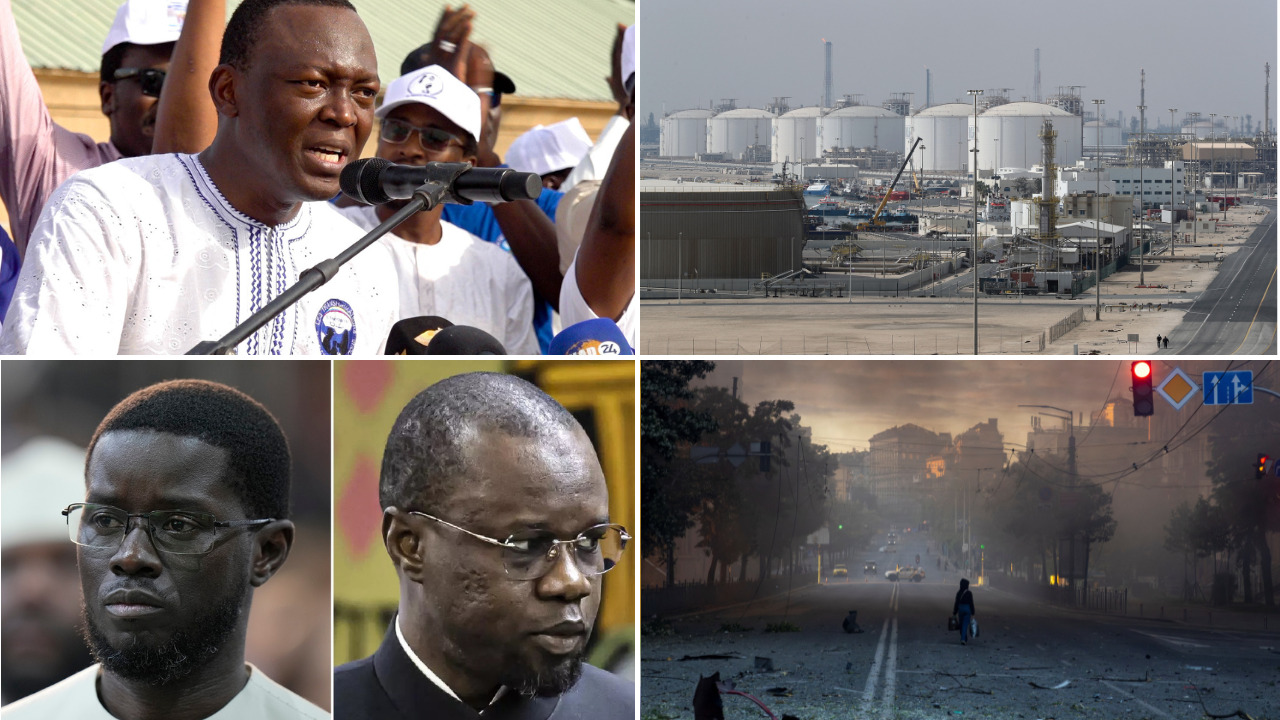
The latest political developments in Senegal have sent shockwaves through the country’s leadership. President Bassirou Diomaye Faye has made a decisive move by dismissing Prime Minister Ousmane Sonko, a key figure in the ruling Pastef party. With Pastef holding an overwhelming majority in the National Assembly, this decision forces the president into a delicate balancing act. The question now on everyone’s lips is clear: will this power struggle strengthen Faye’s position or embolden Sonko’s influence?
a clash of visions at the heart of senegalese power
The removal of Ousmane Sonko from office marks a turning point in Senegal’s political landscape. As the architect behind the Pastef’s electoral success, Sonko’s dismissal leaves many wondering about the party’s future direction. Will President Faye consolidate his authority by reshaping the government, or will this move fuel tensions within the party ranks? The answers may redefine Senegal’s political trajectory in the coming months.
the constitutional dilemma: parliament’s role in the crisis
With Pastef dominating the National Assembly, President Faye faces an unprecedented challenge. The party’s ultra-majority status means any government reshuffle must navigate parliamentary approval. This dynamic could either lead to a more collaborative governance model or deepen the rift between the executive and legislative branches. Political analysts suggest the coming weeks will reveal whether this rupture will unite or further divide Senegal’s leadership.
The stakes are high for both men. For Faye, the move could either solidify his leadership or isolate him within his own party. For Sonko, whose political career has been marked by both triumph and controversy, this could be a career-defining moment. His future in Senegalese politics now hangs in the balance.
what’s next for Senegal’s political landscape?
As the dust settles on this political earthquake, several scenarios emerge. Will Faye appoint a more moderate figure to replace Sonko, smoothing tensions within the party? Or will he double down on his reform agenda, risking further confrontation? The answers will shape not just Senegal’s immediate political future, but also its long-term stability and international relations.
One thing is certain: Senegal stands at a crossroads. The coming weeks will determine whether this rupture leads to a stronger, more unified government or opens the door to prolonged political uncertainty.