Champions league final ticket resale prices soar to shocking highs
The Champions League Final Ticket Black Market: A Shocking Reality
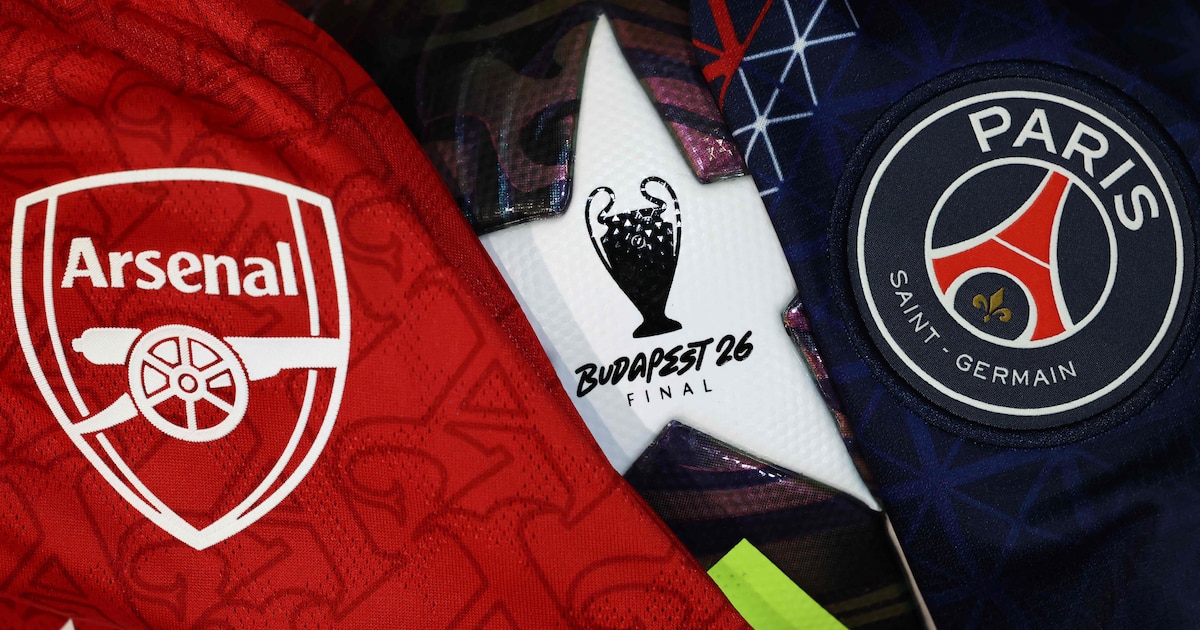
As the Champions League final between Arsenal and Paris Saint-Germain approaches, the secondary ticket market has spiraled into chaos, with prices reaching unprecedented levels and scams flourishing across digital platforms. The desperation of fans to witness the showdown in Budapest has fueled a parallel economy where tickets are no longer just sold—they are auctioned like rare collectibles.
The disparity between supply and demand is stark. Officially, only 18,000 tickets are allocated to each club’s supporters, leaving roughly 31,000 seats for neutral spectators, sponsors, and other distribution channels. This scarcity has created a gaping void that unscrupulous sellers and fraudsters have exploited ruthlessly.

The Dark Side of Ticket Resale: Scams and Exorbitant Prices
Social media platforms like X (formerly Twitter) and WhatsApp have become hunting grounds for ticket scammers. “On WhatsApp groups, there isn’t a single ticket listed for less than €2,000. That’s the baseline,” revealed a Parisian supporter desperate to attend the match. The situation is even more alarming on dedicated resale sites such as Fan Pass and SeatPick, where some tickets are being hawked for as much as €115,000—a far cry from the UEFA’s official price range of €70 to €950.
Fraudsters are employing increasingly sophisticated tactics. One supporter shared a harrowing experience: “We contacted the seller, exchanged messages, and then were asked for their IBAN and name. The money was transferred, and the seller vanished the moment the payment went through.” The deception was uncovered only later, when the supporter noticed the presence of Google’s Gemini logo—a clear red flag—in the screenshot of the ticket they had received.
UEFA’s Countermeasures: A Digital Fortress with Flaws
In response to the rampant fraud, UEFA has implemented stringent measures to secure ticket distribution. The traditional paper tickets or PDFs sent via email are now obsolete. Instead, tickets are exclusively accessible through the UEFA Mobile Tickets app. The governing body has explicitly warned fans that “screenshots of mobile tickets are not valid.” Supporters attempting to enter the stadium with such documents will be denied access.
The app’s security goes beyond a simple QR code. The ticket is directly linked to the specific phone on which it was downloaded. Sharing an account or attempting to transfer the ticket to another device is strictly prohibited. UEFA has emphasized: “Only the phone used to download the mobile ticket will grant access to the stadium.”
While these measures aim to curb fraud, they have inadvertently given rise to a new and even more audacious trend: selling the ticket along with the phone. “I’ve never seen anything like this before,” admitted a Parisian fan. Many resellers now offer packages that include a ticket and a smartphone—either bundled together or with the option to purchase the device separately. This twisted workaround exploits the app’s security feature, turning the ticket into a non-transferable digital asset tied to a physical device.
The Parallel Market’s Hidden Players
The resale market’s shadowy nature raises pressing questions. Who exactly are these sellers? Are they lone opportunists or part of organized syndicates? “It’s impossible to know how many people are behind these operations. Whether it’s a single individual or a well-structured organization, it’s unsettling. You can’t help but wonder where all that money is going,” confessed the supporter, who ultimately secured a ticket for the Parc des Princes in Paris, where a large screen will broadcast the final.
The resale ecosystem operates with alarming efficiency. On WhatsApp groups, transactions are conducted almost like a formal business, with structured pricing, customer service, and even guarantees. Meanwhile, on X, the chaos is more pronounced, with scammers lurking behind every post. The line between legitimate resale platforms and outright fraud has become dangerously thin, leaving fans vulnerable to exploitation.
The Champions League final in Budapest is not just a sporting event—it has become a case study in the unintended consequences of digital ticketing and the lengths to which people will go to bypass official channels. As UEFA tightens its grip, the black market adapts, proving that in the battle between security and ingenuity, the latter often prevails.