Senegal’s Electoral Code Reform: President Bassirou Diomaye Faye Signs Off on Critical Amendments
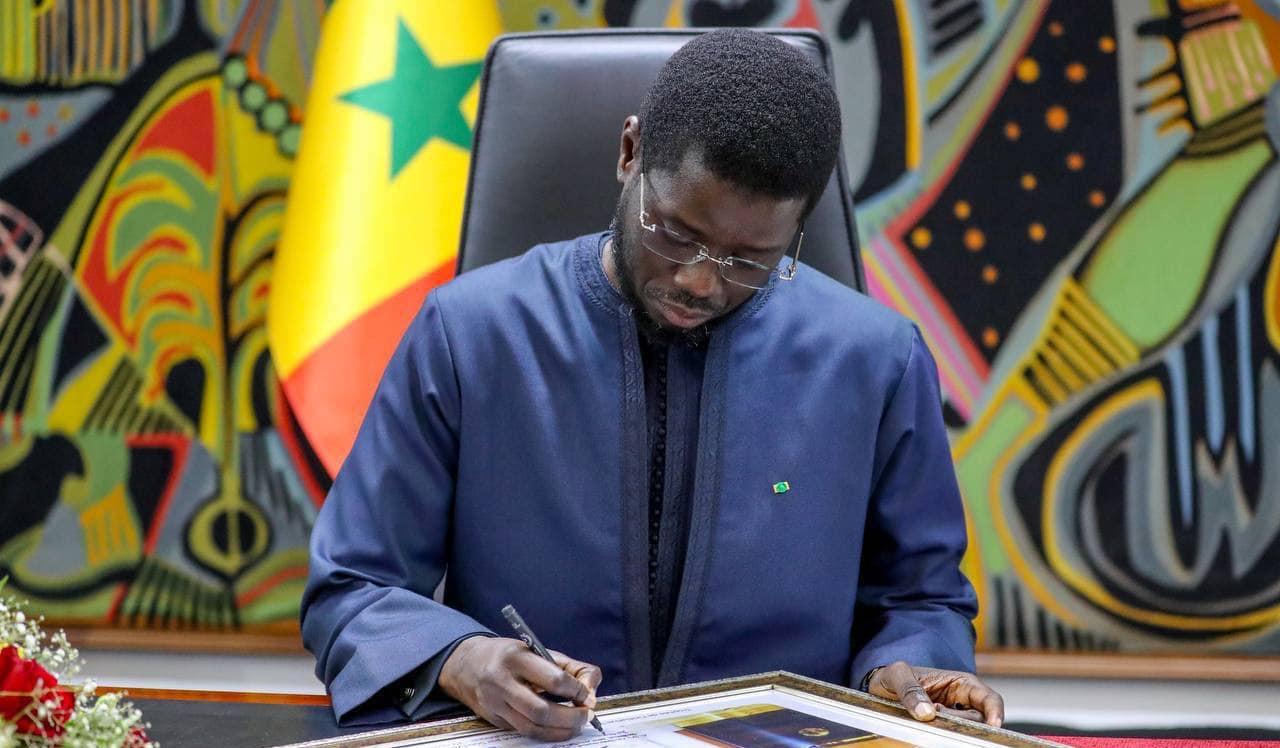
Dakar — A landmark step in Senegal’s electoral reform process has been taken as President Bassirou Diomaye Faye officially enacted the revised articles L29 and L30 of the Electoral Code. This move follows a second parliamentary review, marking a pivotal moment ahead of upcoming elections.
After the initial draft was sent back by the Head of State on 7 May 2025 due to “technical errors,” the National Assembly reconvened in an urgent session and re-adopted the amendments on 11 May 2025. Legal experts confirmed that the promulgation timeline remained within constitutional deadlines, despite circulating reports suggesting a strict deadline of 13 May.
What Changes Do Articles L29 and L30 Bring to Senegal’s Electoral Framework?
The revised provisions focus on two critical aspects of electoral governance:
- Eligibility criteria — Clarifying who can stand as a candidate in future elections, ensuring stricter compliance with legal and ethical standards.
- Election administration — Enhancing transparency and efficiency in the electoral process, from voter registration to polling station operations.
These amendments are part of a broader effort to strengthen democratic integrity and public trust in Senegal’s electoral system. By signing the revised articles into law, President Faye reaffirms his commitment to a transparent and inclusive electoral environment.
With the amendments now legally binding, political stakeholders and civil society are closely monitoring the implementation phase. The reforms signal a proactive approach to addressing long-standing concerns while preparing for future electoral cycles.