Senegal debt talks and imf program after sonko’s exit
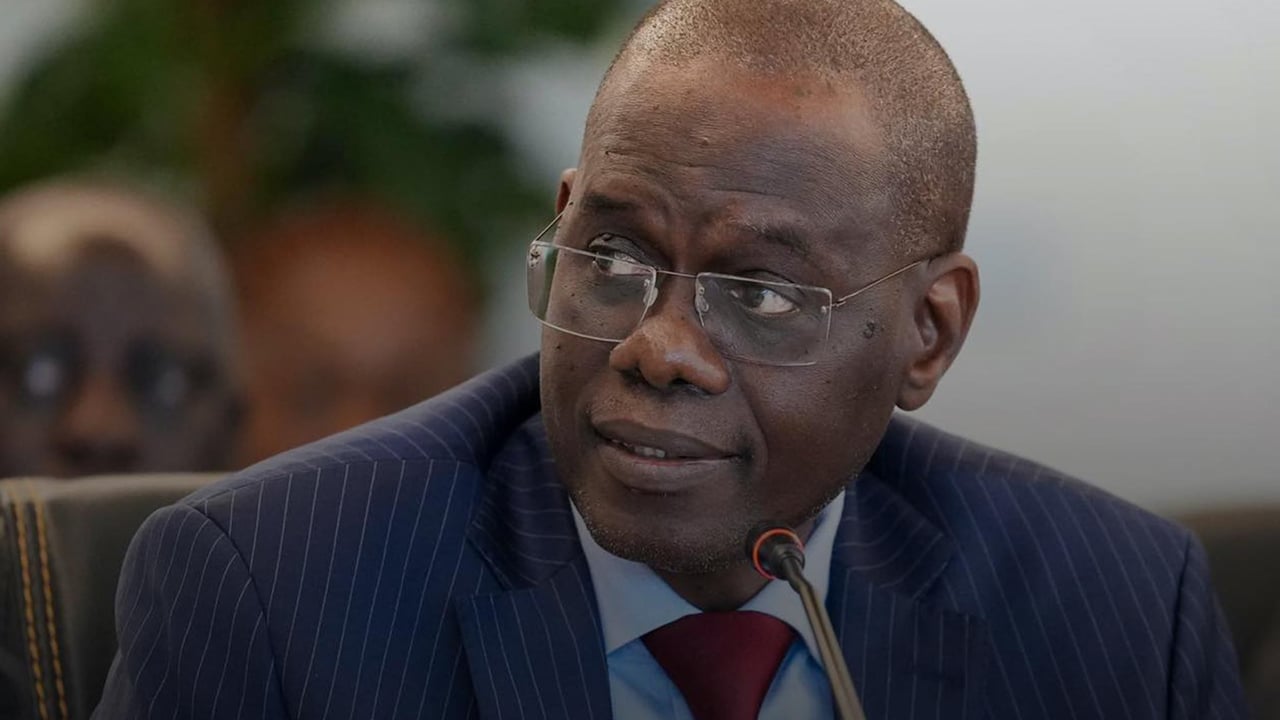

The political shake-up in Senegal has reignited discussions about the country’s debt management and potential engagement with the International Monetary Fund (IMF). With Ousmane Sonko no longer in the picture, many are questioning whether this shift could pave the way for a fresh economic dialogue with global financial institutions.
As Senegal grapples with rising public debt and economic pressures, the departure of a key political figure has sparked speculation about the future of fiscal policies. Analysts suggest that the current administration may now have the space to re-evaluate the country’s financial strategies, particularly in light of recent economic challenges.
What changed with Sonko’s exit?
Ousmane Sonko, a prominent opposition leader, had been a vocal critic of external financial interventions, including those proposed by the IMF. His political influence had previously shaped the national stance on debt negotiations, often advocating for alternative funding sources and stricter fiscal controls. With his departure, the government may now reconsider its approach to international financial partnerships.
Economic experts highlight that Senegal’s debt-to-GDP ratio remains a pressing concern, with public borrowing reaching record levels in recent years. The need for sustainable financial solutions has never been more urgent, and the absence of Sonko’s opposition could facilitate smoother negotiations with creditors.
Could the IMF now step in?
The IMF has long been a potential partner for Senegal, offering financial support in exchange for structural reforms. While previous discussions stalled due to political resistance, the current climate suggests a possible thaw in relations. The government’s new economic team is reportedly assessing the benefits of an IMF program, which could provide much-needed liquidity and credibility in international markets.
However, the path forward is not without challenges. Any engagement with the IMF would likely require tough fiscal adjustments, including subsidy cuts and tax reforms, which could face public backlash. The government must balance economic imperatives with social stability as it weighs its options.
Public debt in focus
Senegal’s debt burden has been a recurring topic in national debates, with concerns about long-term sustainability. The government has emphasized domestic resource mobilization as a priority, but external financing remains a critical component of the economic strategy. An IMF program could offer a structured framework for debt management, but it would also come with strict conditionalities.
Economic analysts point out that the timing of these discussions is crucial. With global financial conditions tightening, securing favorable terms from the IMF could become increasingly difficult. The government’s ability to negotiate effectively will determine whether an agreement can be reached on terms that align with national development goals.
What’s next for Senegal’s economy?
The coming months will be pivotal for Senegal as it navigates these economic crossroads. The government’s decisions on debt and IMF engagement will shape the country’s financial trajectory for years to come. While the departure of Ousmane Sonko has opened new possibilities, the road ahead remains complex and fraught with trade-offs.
One thing is clear: the stakes are high, and the choices made now will have lasting implications for Senegal’s economic future.