Sénégal’s civil society is calling for transparency and clarity. Following the National Assembly’s approval of the constitutional reform on June 29, the citizen movement Y’en a marre has stepped forward to share its perspective on the proposed changes and the current political atmosphere.
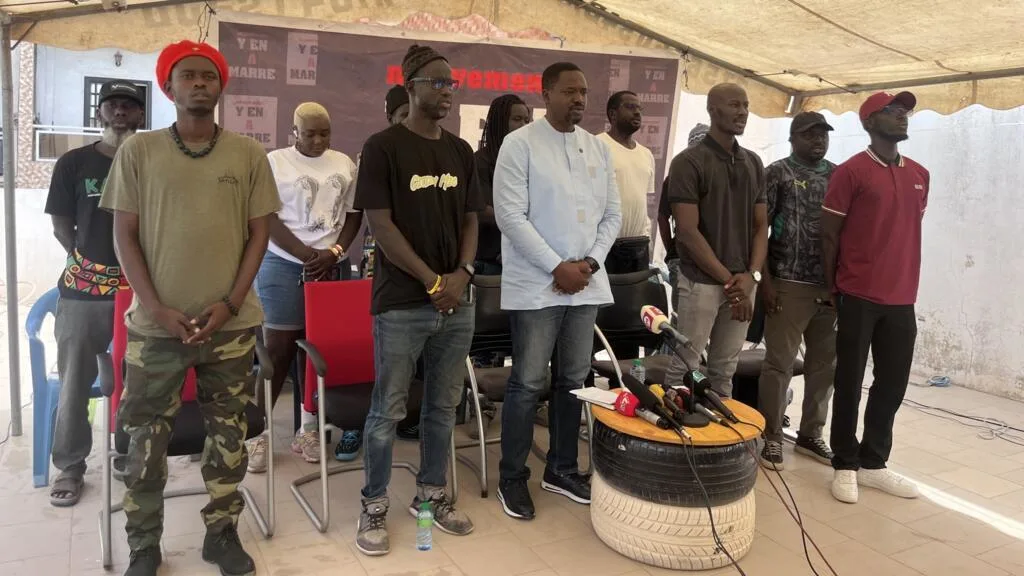
The collective, which has been a prominent voice in Sénégal for 15 years, stresses the necessity of putting this text to a referendum before it is officially enacted, as proposed by President Bassirou Diomaye Faye. However, the movement also raised concerns about a troubling political climate, denouncing what they describe as “political calculations” and “underhanded tactics” that echo the practices of previous years.
For Y’en a marre, the current constitutional debate is a continuation of the ongoing political dynamic between Bassirou Diomaye Faye and Ousmane Sonko. Aliou Sané, the movement’s founder, expressed support for the promised referendum but demanded genuine sincerity from the executive. He warned that the announcement must not serve as a political distraction to hinder the Pastef party’s initiative, but should instead allow citizens to fully comprehend and decide on the nation’s future governance.
Concerns over smear campaigns and political pressure
The movement also expressed regret over the return of old methods aimed at discrediting dissenting voices. Since taking a stand on the Pastef initiative, Y’en a marre members claim they have been unfairly linked to an “LGBT lobby” by certain figures and supporters of Ousmane Sonko‘s party. Given the intense social stigma and legal repression of homosexuality in Sénégal, such accusations are particularly sensitive and dangerous.
“We faced these same tactics under Abdoulaye Wade and Macky Sall,” noted Aliou Sané. He pointed out the contradiction in African politics, recalling that those now in power were once standing alongside the movement, expressing their own outrage when such accusations were used against them in the past.
Furthermore, Y’en a marre criticized the arrest of twelve people near the National Assembly on Monday, June 29, the day the reform was adopted. This group included nine young activists from the opposition party Alternative pour la relève citoyenne (ARC). Although they were detained for “disturbing public order” and “participating in an unauthorized demonstration,” they were released just a few hours later. This situation highlights the ongoing challenges for independent African journalism and civil activism in the region.