Political tensions rise in Senegal after constitutional reform blocked
Key points
- International coverage: A major media outlet spotlights Senegal’s deepening political divide on July 12, 2026
- Institutional clash: Parliament approved a reform on June 29, 2026, later struck down by the Constitutional Council on July 9
- Leadership rift: President Bassirou Diomaye Faye and Prime Minister Ousmane Sonko, once allies, now face off after their 2024 electoral victory
- Parliamentary majority: The PASTEF holds 130 of the 165 seats in Senegal’s National Assembly
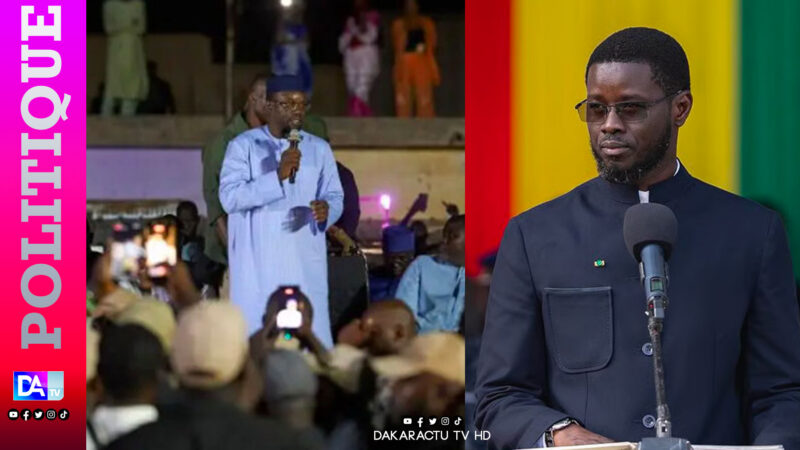
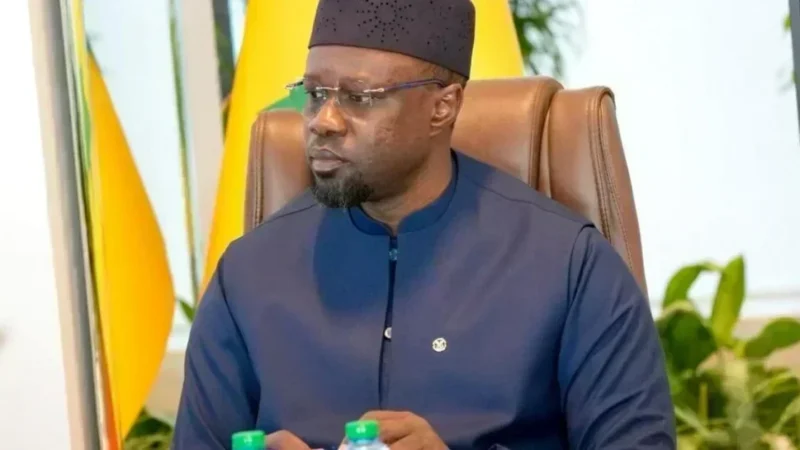
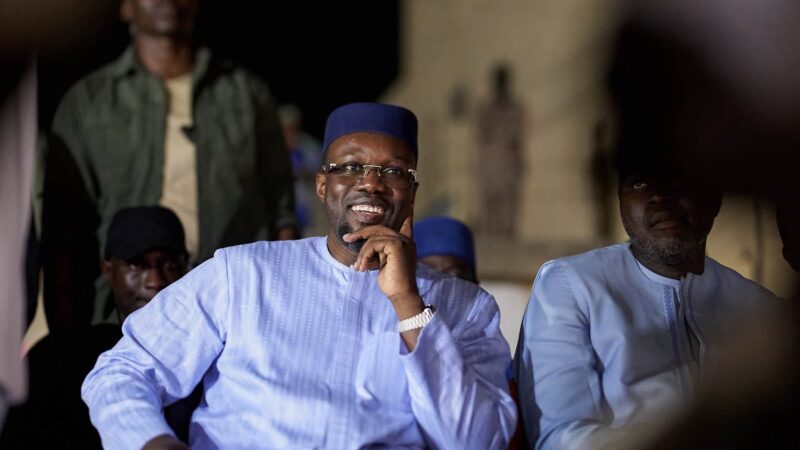
Senegal is the focus of an in-depth report released on Sunday, July 12, 2026, by an international news outlet examining the growing rift between two of the country’s most influential leaders. The documentary, titled From allies to adversaries: Senegal’s shifting political landscape, explores the escalating tensions between President Bassirou Diomaye Faye and Prime Minister Ousmane Sonko, both of whom were once key figures within the PASTEF party.
This international spotlight arrives just days after the Constitutional Council invalidated a sweeping constitutional reform passed by Parliament at the end of June. The move has intensified the power struggle between the two men and reshaped the nation’s political landscape, with the 2029 presidential election looming on the horizon.
A once-united front now divided
Bassirou Diomaye Faye and Ousmane Sonko secured a historic victory in the 2024 presidential election under the PASTEF banner. The party now commands a commanding majority in Parliament, holding 130 of the 165 seats—a strong position that was expected to streamline governance.
Yet, as the report reveals, ideological disagreements surfaced almost immediately, particularly regarding economic policy and the country’s relationship with international financial institutions like the IMF. Analysts interviewed by the outlet describe the situation as a “fraternal conflict”, pitting two competing visions for the future of Senegal’s government.
Ousmane Sonko’s dual role as Prime Minister and President of the National Assembly has further fueled tensions, concentrating both legislative and executive authority in his hands. The report highlights how this unusual arrangement has sparked friction with the presidency, underscoring the structural strains within Senegal’s political system.
Constitutional reform sparks constitutional crisis
On June 29, 2026, Parliament passed a constitutional reform designed to expand the powers of the legislature and the Prime Minister’s office. Among its provisions, the bill sought to bar the President from leading a political party and replace the existing Constitutional Council with a nine-member Constitutional Court. The reform also faced criticism for lacking a clear funding mechanism for the new court.
President Faye challenged the reform’s passage by filing a complaint with the Constitutional Council on July 7. The Council ruled on July 10, invalidating the reform on procedural grounds, including the absence of a budget allocation for the proposed court. The decision, though final, has done little to ease the deepening institutional standoff between Faye and Sonko.
Sonko responded with a brief statement affirming that the Council’s ruling “applies to all”, though the brevity of his remarks did little to clarify the path forward or the potential consequences of the clash.
Global scrutiny of a domestic power struggle
The timing of the international report underscores the high stakes of Senegal’s internal crisis. The outlet, with a significant following across Francophone Africa, offers a detailed analysis of what it describes as a pivotal political realignment in one of the region’s most stable democracies.
For observers outside West Africa, the situation in Senegal serves as a reminder that even nations long regarded as democratic strongholds are not immune to institutional tensions. With a population of nearly 19 million, Senegal remains a critical economic and diplomatic partner for France in the region.
Local media outlets have closely tracked the fallout from the reform’s invalidation, emphasizing the severity of the divide at the highest levels of government. Some analyses have framed the Faye-Sonko conflict as a “clash of titans”, a phrase echoed by political commentators across the country.
Senegal’s political backdrop
Senegal operates as a presidential republic, where the head of state traditionally wields broad executive powers. Bassirou Diomaye Faye’s election in 2024 marked a significant political shift, driven by the PASTEF’s momentum and the widespread appeal of Ousmane Sonko.
The current configuration—where the Prime Minister also serves as President of the National Assembly—is unprecedented and has concentrated legislative and executive authority in a single figure. This unusual setup helps explain Faye’s determination to challenge the reform, which he perceived as an attempt to dilute the presidency’s influence.
The country faces pressing economic challenges, including public debt management and ongoing negotiations with the IMF. Disagreements between Faye and Sonko on these issues, as highlighted in recent analyses, reflect deeper strategic divides that extend beyond mere power struggles.
Election outlook and long-term implications
The 2027 local elections and the 2029 presidential vote are the immediate political milestones. Experts suggest that the growing rift between Faye and Sonko will shape these contests, with the risk of a fractured PASTEF or a major realignment of alliances.
The party’s overwhelming majority in Parliament adds another layer of complexity: neither leader can govern effectively without the other’s cooperation, raising the specter of institutional paralysis. The question of who will ultimately control the PASTEF’s machinery has become a central issue.
The report frames the current crisis as more than a temporary setback—it signals the beginning of a prolonged battle for dominance in Senegal’s political arena. The coming months will determine whether the two leaders can find a way to coexist or if their partnership collapses entirely.
The Constitutional Council’s decision has provided President Faye with a temporary reprieve, but it has not resolved the underlying disputes. Senegal’s political scene is entering a period of uncertainty, closely watched by regional and international partners.